PT
PT  EN
EN  ES
ES 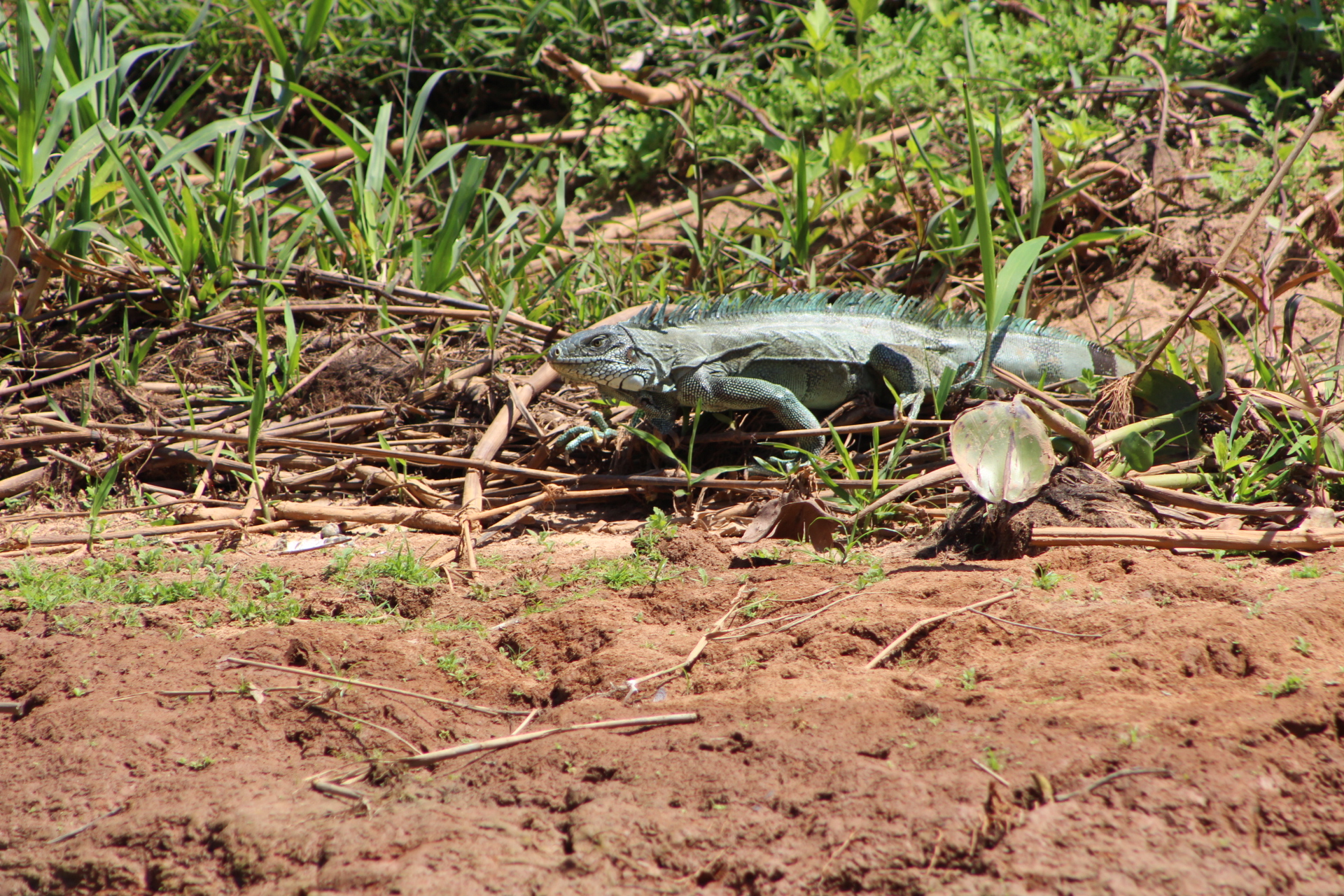
Discover the exact distance from Cuiabá to Porto Jofre in the Pantanal and plan your trip to this natural paradise with this essential guide.
Planning a trip to the Pantanal, one of the world’s largest wetland ecosystems, requires careful logistics. Among the most common starting points for exploring this natural wonder is Cuiabá, a city that serves as a gateway to various regions of the biome. However, the real adventure begins when heading inland, where key enclaves like Porto Jofre are located.
The distance between Cuiabá and Porto Jofre is not merely a geographical fact; it is a determining factor in planning the traveler’s time, resources, and expectations. Knowing this information is essential for organizing transfers, choosing the type of transportation, and calculating the total duration of the expedition into the wild heart of Brazil.
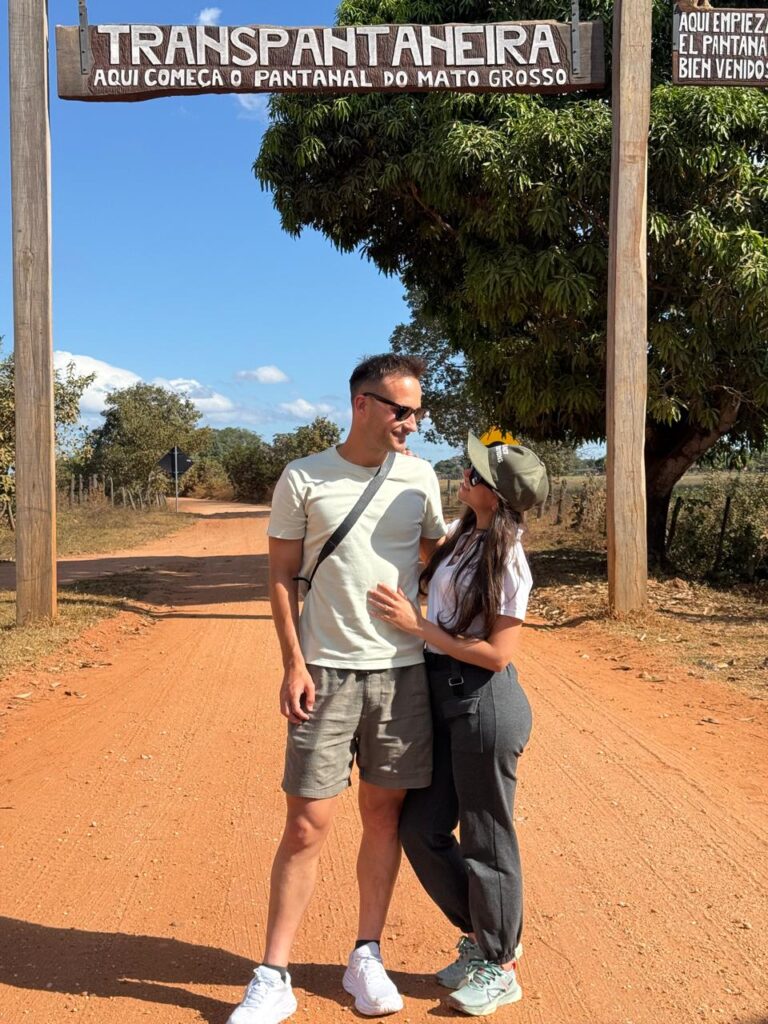
What is the distance from Cuiabá to Pantanal Porto Jofre?
The question about the exact distance between Cuiabá and Porto Jofre is fundamental for anyone aspiring to experience the Pantanal’s rich wildlife, especially in the region known for its high concentration of jaguars. Porto Jofre, located in the heart of the Mato Grosso Pantanal, is the main gateway for many of these expeditions. Understanding this distance is the first step towards effective planning, as it directly impacts travel time, costs, and the choice of the most suitable means of transport to reach this remote yet fascinating destination.
The total road distance from Cuiabá to Porto Jofre is approximately 250 to 260 kilometers. This journey, while not excessively long in terms of kilometers, usually requires considerable time due to road conditions and the nature of the terrain. The main route involves traveling along the Rodovia Transpantaneira, a dirt road that penetrates the biome, offering a first contact with the Pantanal landscape and fauna.
Road Distance: Cuiabá to Porto Jofre
The road distance from Cuiabá to Porto Jofre is estimated at around 250 to 260 kilometers. This route is primarily via the famous Rodovia Transpantaneira (MT-060 and then MT-010), a dirt road that crosses the heart of the Pantanal. Travel time can vary significantly, but it generally takes between 4 and 6 hours, depending on road conditions, weather, and the frequency of stops for wildlife observation, which is almost inevitable on this route.
The conditions of the Transpantaneira are a key factor to consider. During the dry season (approximately May to September), the road is usually in better condition, although it remains unpaved and can have potholes and sandy areas. In the rainy season (October to April), the route can become much more difficult, with flooded sections, thick mud, and wooden bridges requiring caution. Therefore, it is vital to be informed about the current road status before embarking on the journey, especially if traveling in a non-4×4 vehicle.
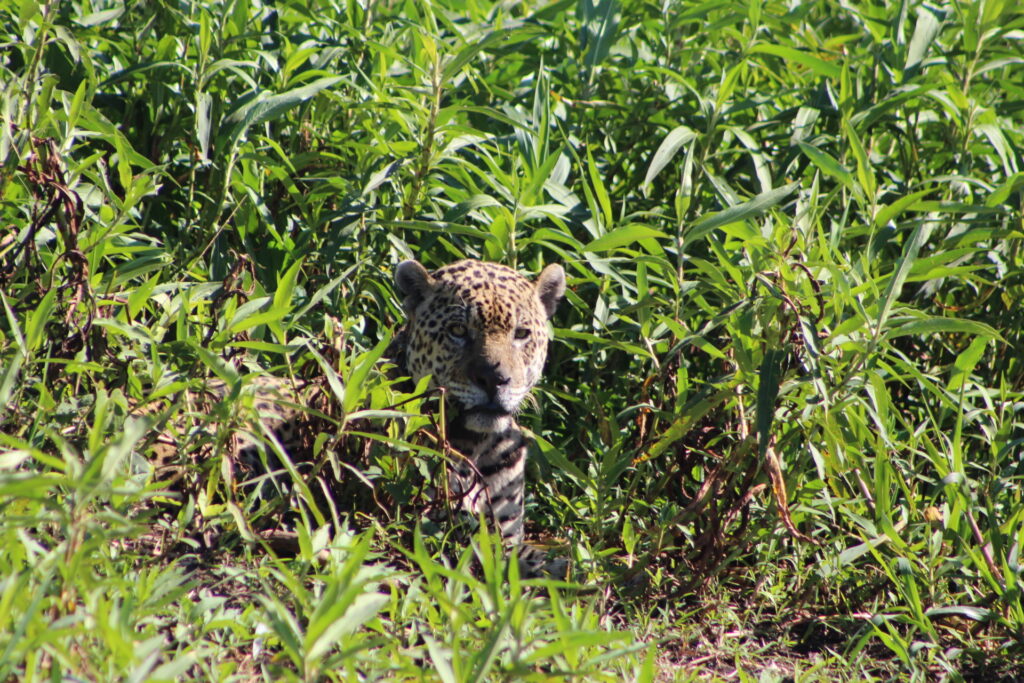
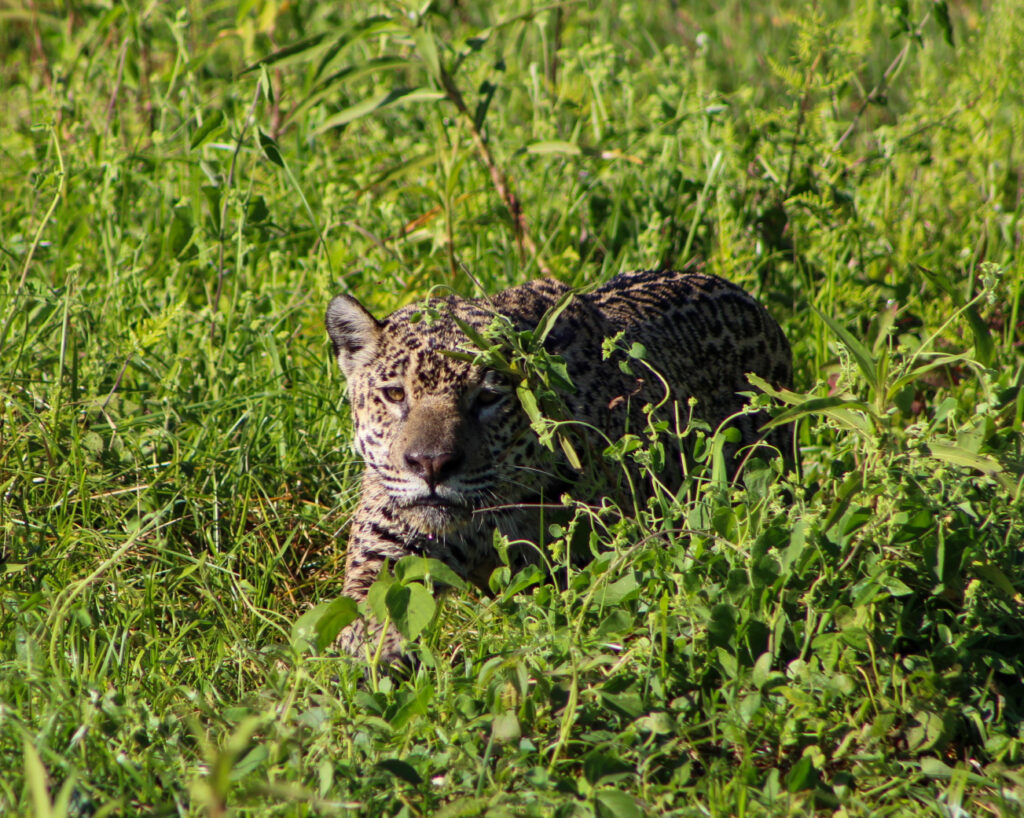
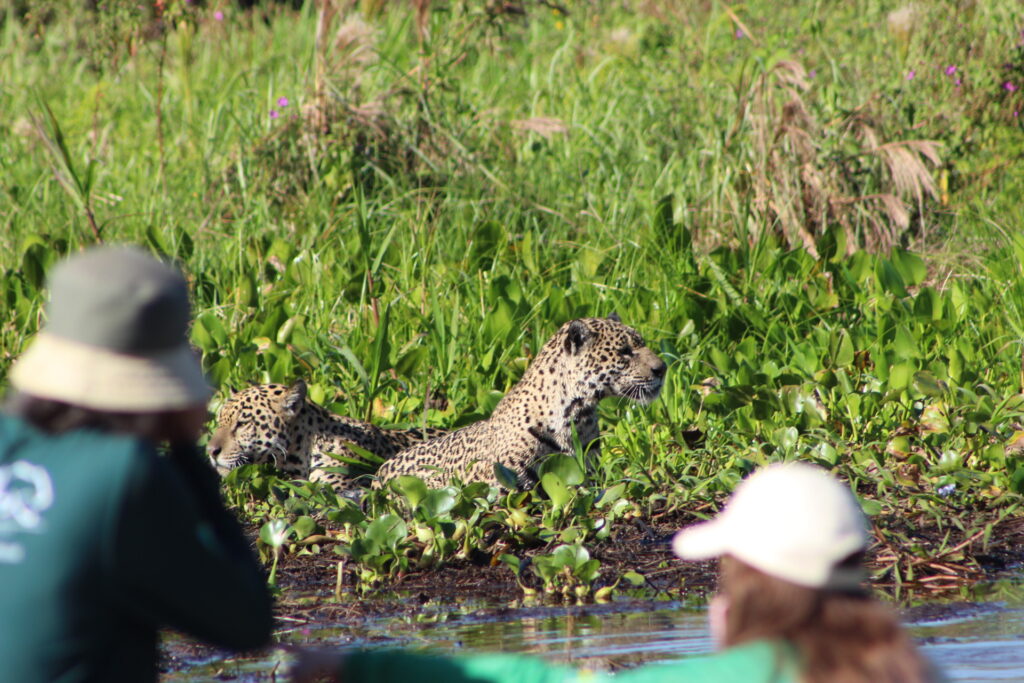
The route is not simply a transfer but an experience in itself. As you travel along the Transpantaneira, the landscape gradually transforms, giving way to vast floodplains, rivers, and lush vegetation. It is common to spot a wide variety of wild animals directly from the road, including caimans, capybaras, various bird species, and, with luck, even jaguars. These stops for wildlife viewing are an integral part of the journey and contribute to the total travel time.
Transportation Options to Cover the Distance from Cuiabá to Porto Jofre
There are several options for covering the distance from Cuiabá to Porto Jofre, each with its own advantages and considerations. The most common and flexible option is using your own vehicle, preferably a 4×4, given the nature of the Rodovia Transpantaneira. Alternatively, you can hire private transfers or taxis, which offer comfort and eliminate worries about road conditions, although they are usually more expensive. Direct public transport is limited; it generally involves taking a bus from Cuiabá to Poconé and then arranging local transport or a transfer to Porto Jofre, which can be slower and require more planning.
| Transportation Option | Estimated Time | Comfort/Flexibility | |
|---|---|---|---|
| Own Vehicle (4×4 recommended) | 4-6 hours | High flexibility, stops at will | |
| Private Transfer / Taxi | 4-6 hours | High comfort, no driving worries | |
| Bus + Local Transfer | 6-10 hours (with transfers) | Lower cost, less flexibility, more time | |
| Organized Tour | Variable (included in package) | All-inclusive, no logistical worries |
The Importance of Porto Jofre as a Gateway to the Pantanal
Porto Jofre is recognized as one of the key points for accessing the Mato Grosso Pantanal region, especially for those interested in ecotourism and wildlife observation. Its strategic location at the end of the Rodovia Transpantaneira makes it the ideal starting point for exploring the waters of the Cuiabá River and its tributaries, areas famous for hosting one of the largest concentrations of jaguars in the world. The distance from Cuiabá, although considerable, is a worthwhile sacrifice for the reward of accessing this natural sanctuary.
The logistics of reaching Porto Jofre are a crucial component of planning a trip to the Pantanal. The distance and road type require adequate preparation, whether it’s securing a robust vehicle, hiring a reliable transport service, or joining an organized tour. Once there, the experience transforms into boat trips that allow close encounters with jaguars, capybaras, caimans, and stunning birdlife, making the journey from Cuiabá an investment in an unforgettable adventure.
Frequently Asked Questions about the Distance from Cuiabá to Porto Jofre
Below, we answer some of the most common questions that arise when planning the trip from Cuiabá to Porto Jofre, addressing aspects of safety, time, and logistics.
Is it safe to drive from Cuiabá to Porto Jofre?
Driving from Cuiabá to Porto Jofre is generally safe, but it requires caution and preparation. The main route, the Rodovia Transpantaneira, is a dirt road, and conditions can vary drastically depending on the season. During the dry season, it is passable, although there may be potholes and sandy areas. In the rainy season, it can become very difficult, with mud and possible flooding, making a 4×4 vehicle indispensable and requiring information about the road’s condition. The best time to travel is during daylight hours to appreciate the scenery and wildlife, and to avoid any risks associated with night driving on unlit roads with potential animals crossing.
It is advisable not to rush and to make frequent stops to enjoy the surroundings and observe wildlife. Carrying water, some food, and a basic toolkit can be useful. Additionally, it is wise to inform someone about your itinerary and estimated arrival time. Despite the challenges, the route is very popular with tourists and locals, and most trips are completed without incident, offering a safari experience right from your vehicle.
How long does it take to get to Porto Jofre from Cuiabá?
The travel time from Cuiabá to Porto Jofre usually ranges between 4 and 6 hours, covering an approximate distance of 250 to 260 kilometers. This time is an estimate and can be affected by several factors. The conditions of the Rodovia Transpantaneira are the main determinant; a road in good condition will allow for a faster journey, while potholes, mud, or sand can significantly slow down progress.