PT
PT  EN
EN  ES
ES 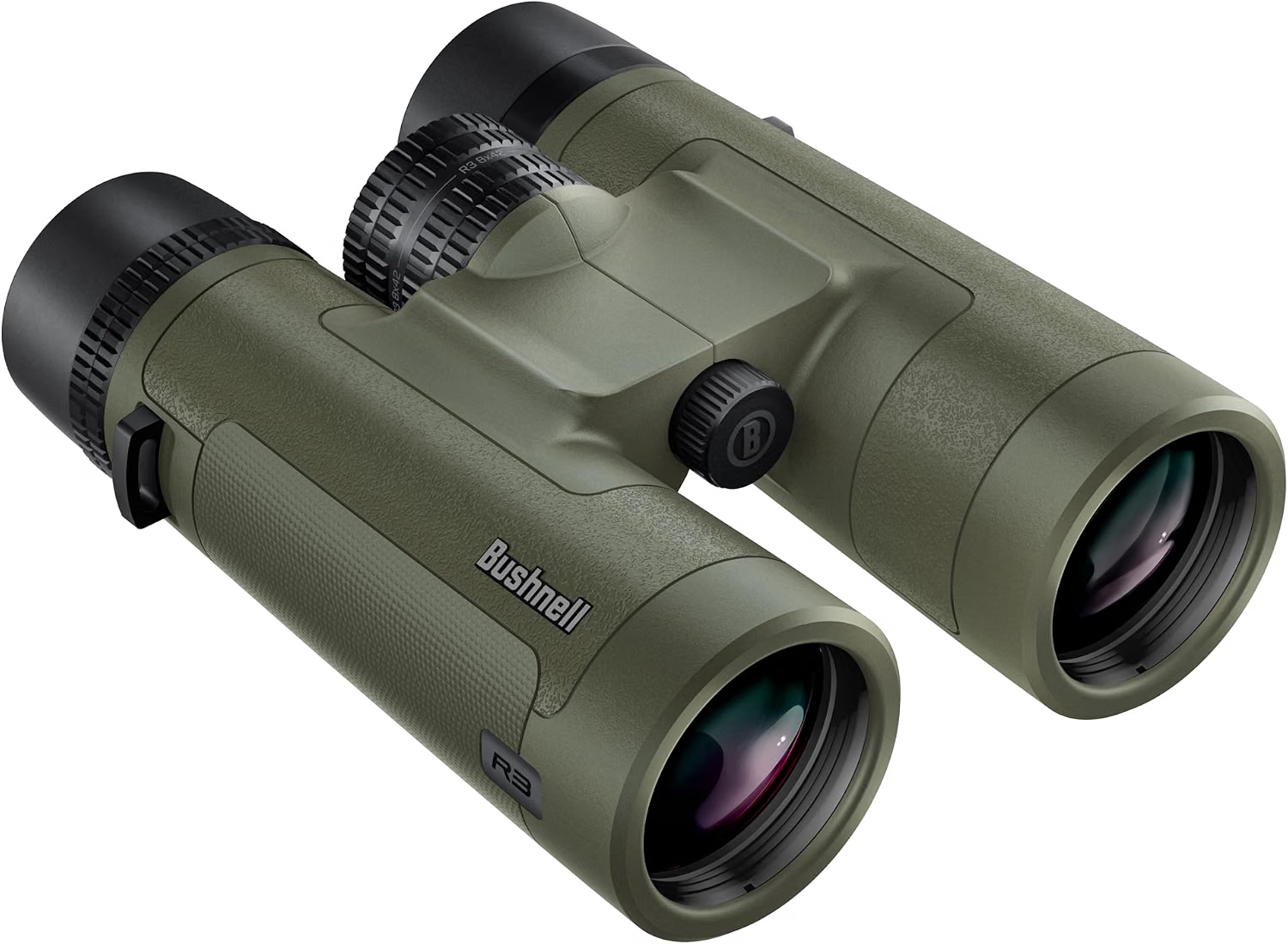
The Northern Pantanal is a wildlife paradise. Learn what binoculars to choose to best enjoy its incredible biodiversity, from jaguars to exotic birds. Get practical tips on magnification, lens diameter, and optical quality for your safari.
The Northern Pantanal stands as one of the most impressive wildlife sanctuaries on the planet. Its intricate network of rivers, lagoons, and savannas harbors a unique biodiversity, attracting thousands of visitors each year in search of close encounters with nature in its purest state.
For many, the experience of observing wildlife in this natural paradise is exponentially magnified with the use of binoculars. These optical tools allow for deep immersion into the habitat of countless species, from majestic jaguars to vibrant waterfowl and agile capybaras. The ability to zoom in without disturbing the animals is fundamental for respectful and rewarding observation.
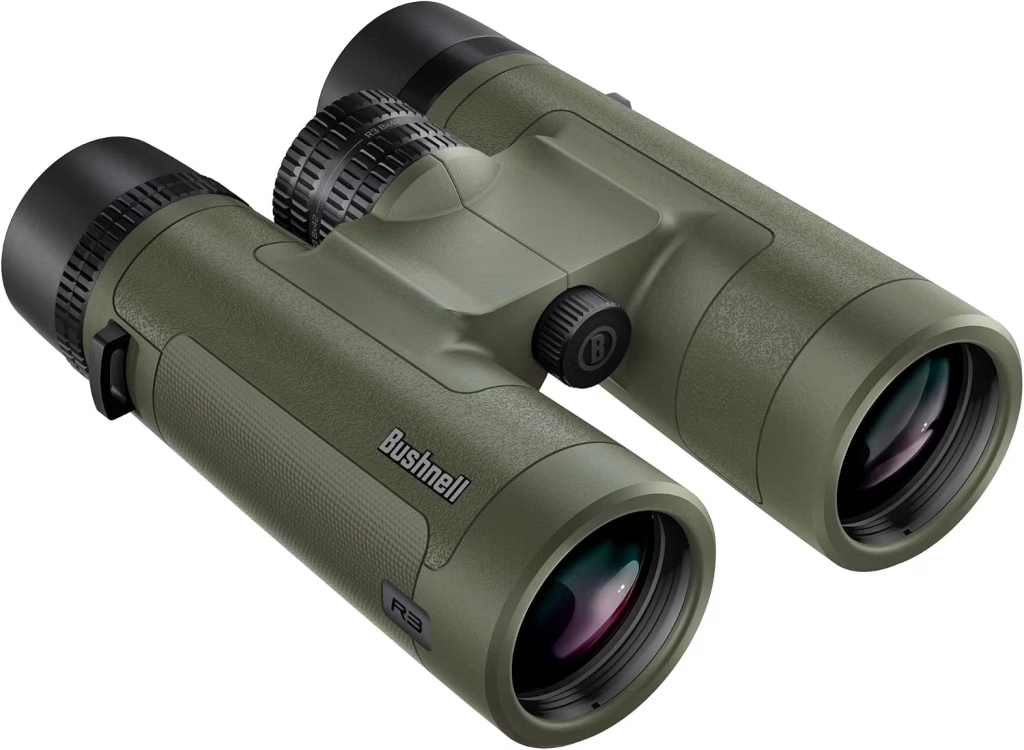
Why is the Northern Pantanal an ideal destination for wildlife observation with binoculars?
The Northern Pantanal is a unique ecosystem that offers exceptional visibility for wildlife observation. Unlike dense jungles, many of its areas feature more open vegetation or extensive bodies of water, making it easier to locate and track animals from a distance. The concentration of wildlife is remarkably high, with a large number of species depending on its water and land resources for survival. This abundance creates constant opportunities for sightings, from dawn to dusk.
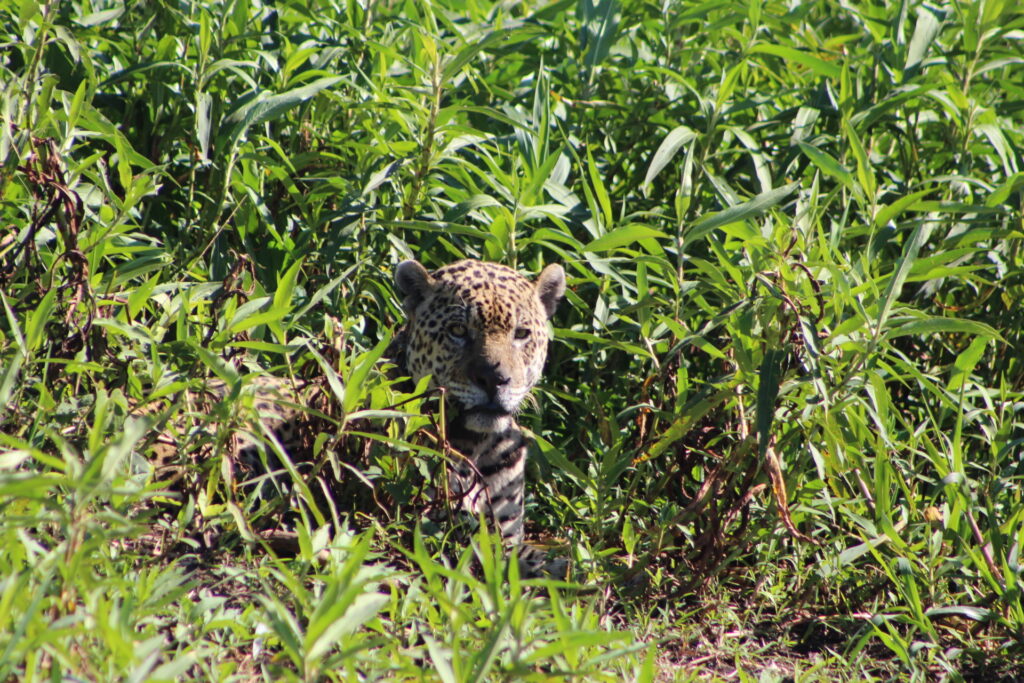
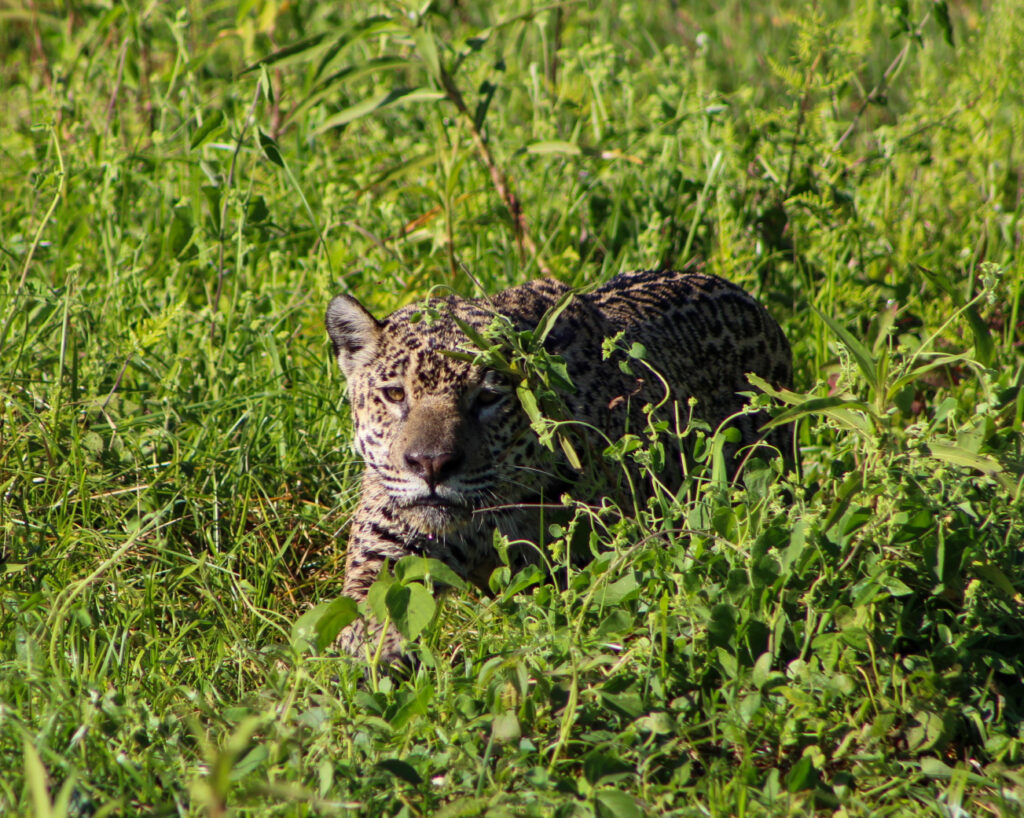
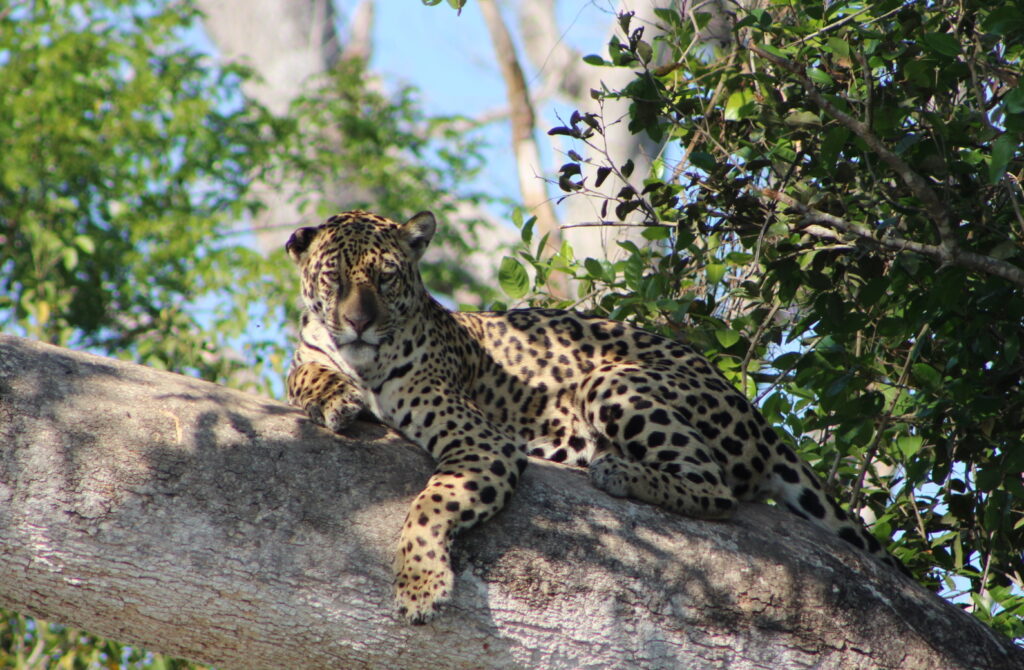
The diversity of habitats within the Northern Pantanal, including flooded grasslands, gallery forests, and lagoons, attracts an astonishing variety of creatures. It is home to over a thousand species of birds, including toucans, macaws, and herons, as well as mammals such as the capybara, marsh deer, giant anteater, and, of course, the elusive jaguar. Binoculars become the indispensable tool for appreciating the subtlety of plumage, the details of fur, and the behaviors of these species without interfering with their natural environment.
Key Factors When Choosing the Best Binoculars for Seeing Animals in the Northern Pantanal
Selecting the right binoculars for the Northern Pantanal involves considering several technical factors that will optimize your observation experience. Magnification, represented by the first number in the specification (e.g., 8x or 10x), determines how close you will see the object. Higher magnification offers more detail but can also make the image more unstable and reduce the field of view. The objective lens diameter (the second number, e.g., 42mm) influences the amount of light entering the binoculars, which is crucial for observation in low-light conditions or at dawn and dusk.
Optical quality is fundamental. Look for binoculars with fully multicoated lenses to improve light transmission, contrast, and clarity, minimizing unwanted reflections. A wide field of view is essential for tracking moving animals or for encompassing broad wildlife scenes. Furthermore, in an environment as humid as the Pantanal, waterproof and fogproof (nitrogen or argon purged) features are highly recommended to ensure the durability and optimal performance of your binoculars against sudden temperature changes and high humidity.
- Magnification: Generally, 8x or 10x are ideal.
- Objective Lens Diameter: Between 32mm and 42mm offers a good balance between brightness and portability.
- Field of View: Look for a wide value to follow the action.
- Optical Quality: Multicoated lenses for better image.
- Durability: Waterproof and fogproof for the Pantanal climate.
- Ergonomics: They should be comfortable to hold for extended periods.
| Suggested Model (Example) | Magnification x Objective Diameter | Field of View (m @ 1000m) | Weight (approx.) | Key Features |
|---|---|---|---|---|
| Compact Binocular A | 8×32 | 130m | 450g | Lightweight, easy to carry, good field of view. Ideal for hikes. |
| Standard Binocular B | 10×42 | 110m | 650g | Excellent balance between magnification, brightness, and stability. Versatile. |
| Lumina Binocular C | 8×42 | 125m | 700g | High performance in low light, bright image. Ideal for sunrises/sunsets. |
| Powerful Binocular D | 10×50 | 95m | 850g | Greater range and detail, but heavier and requires a tripod for maximum stability. |
| All-Terrain Binocular E | 8×32 (WP) | 135m | 480g | Waterproof and fogproof, compact and durable. |
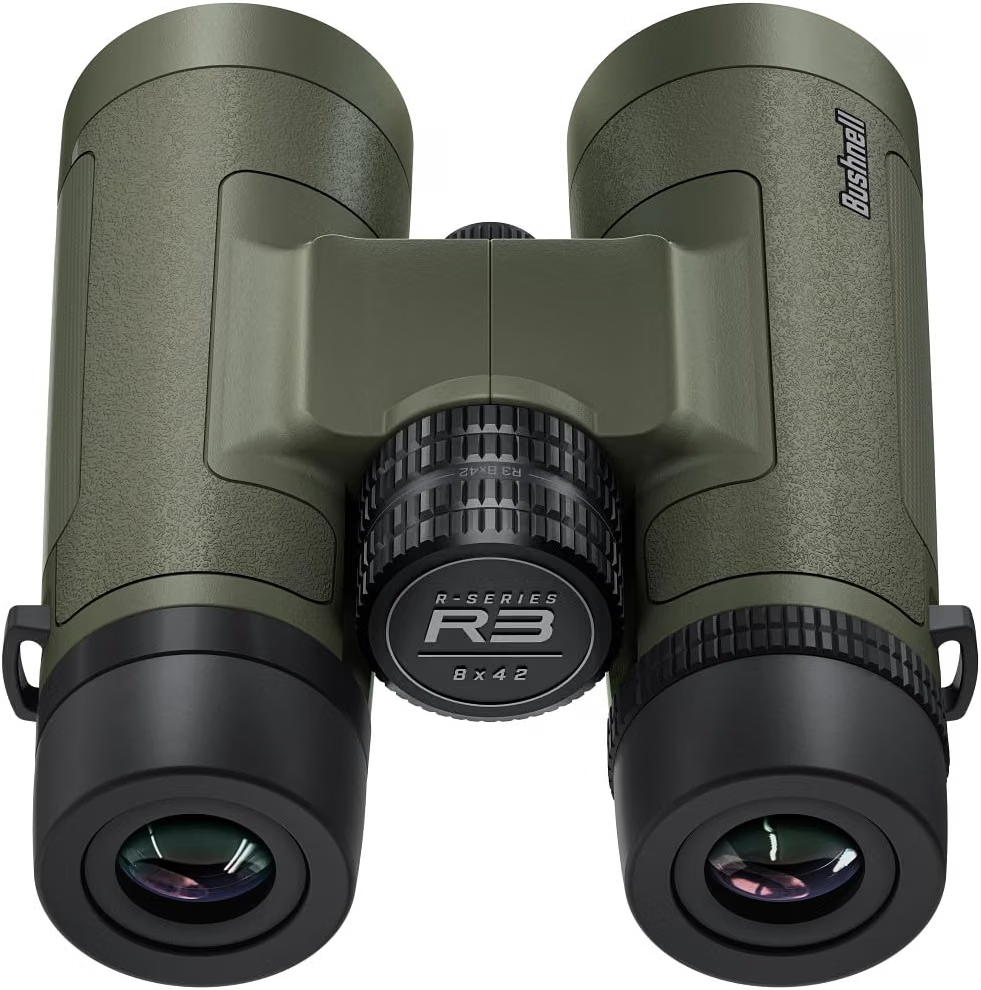
Types of Binoculars and Their Suitability for the Northern Pantanal
There are mainly three categories of binoculars you might consider for your trip to the Northern Pantanal: compact, standard, and high-power. Compact binoculars (e.g., 8×42, 10×42) are extremely lightweight and easy to carry, perfect if space and weight are a primary concern, such as on long hikes. However, their smaller objective lens diameter may limit their performance in low-light conditions, and their field of view is often narrower.