PT
PT  EN
EN  ES
ES 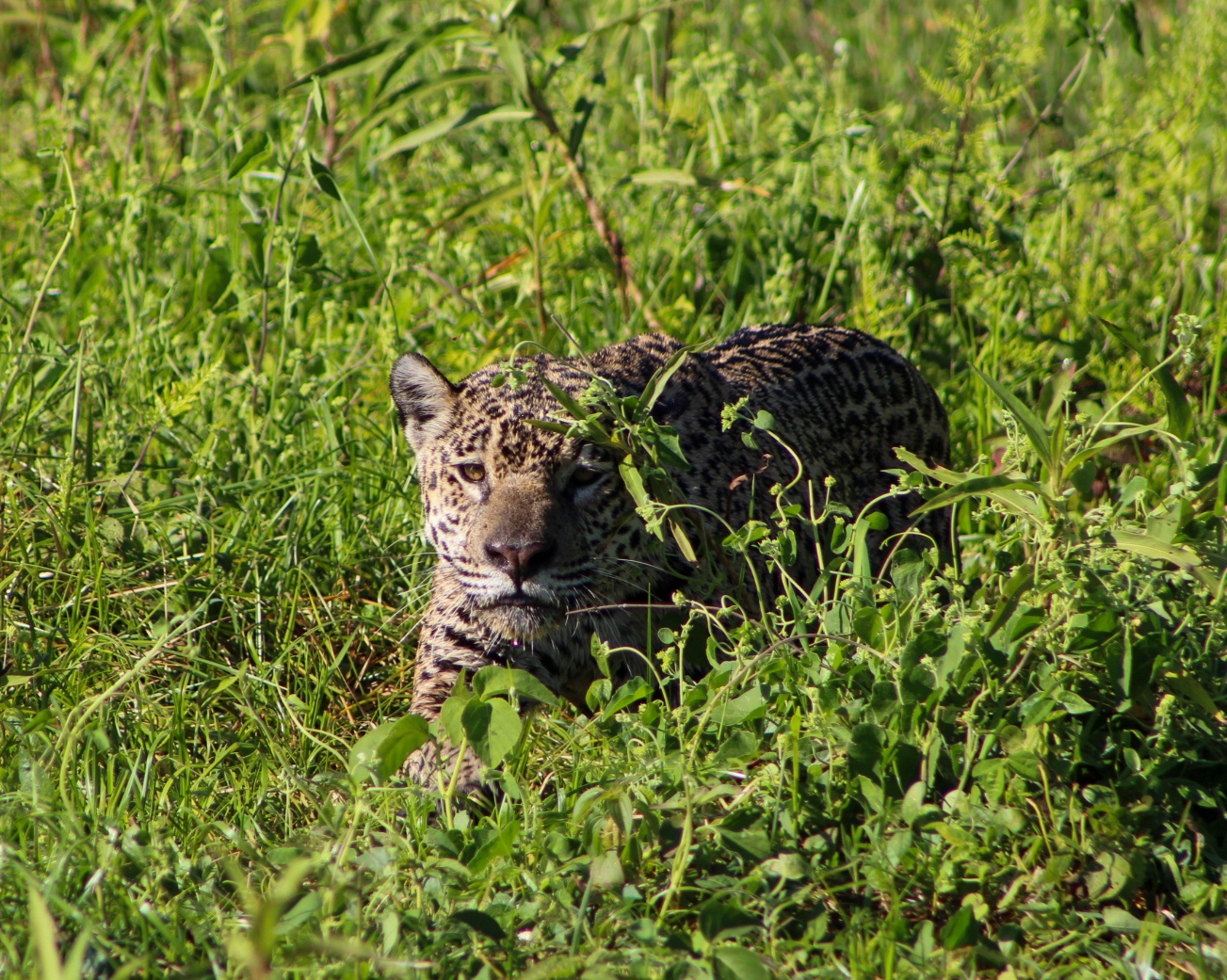
Discover the best places and times for jaguar spotting in Brazil's stunning Northern Pantanal. Don't miss out!
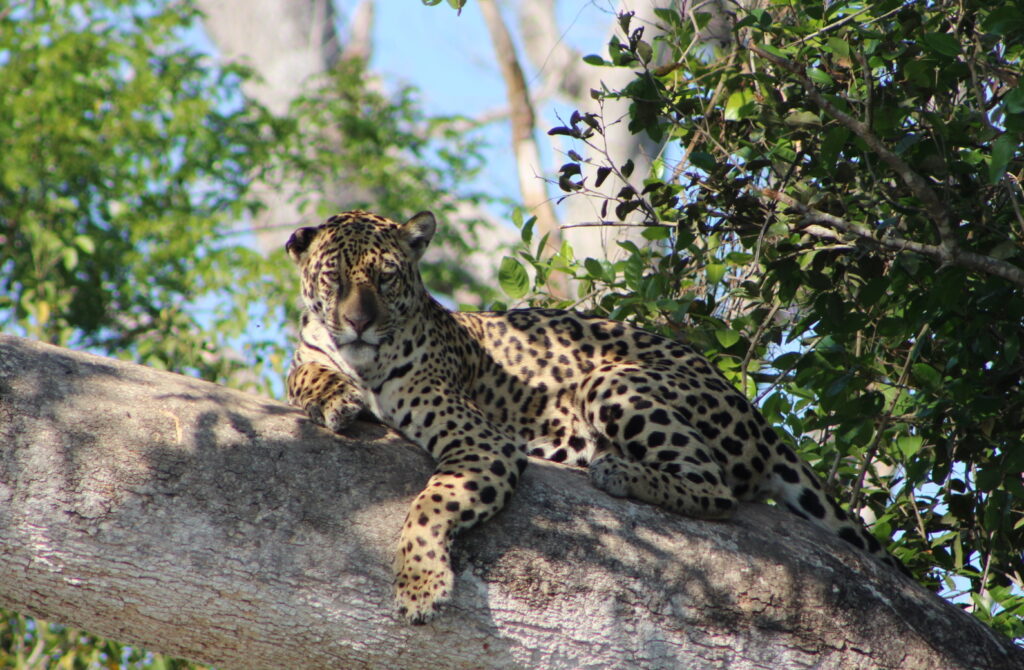
Among its rich biodiversity, the majestic jaguar (Panthera onca) reigns as the largest feline in the Americas and an iconic symbol of this unique ecosystem. Its presence, though elusive, attracts thousands of visitors each year seeking the opportunity to behold this magnificent predator in its natural habitat.
Jaguar spotting in the Northern Pantanal is not just a wildlife observation experience; the search for this elusive feline offers a window into the complex web of ecological interactions that sustain this biome, making each expedition an unforgettable and educational adventure.
Best Times and Places for Jaguar Spotting in the Northern Pantanal
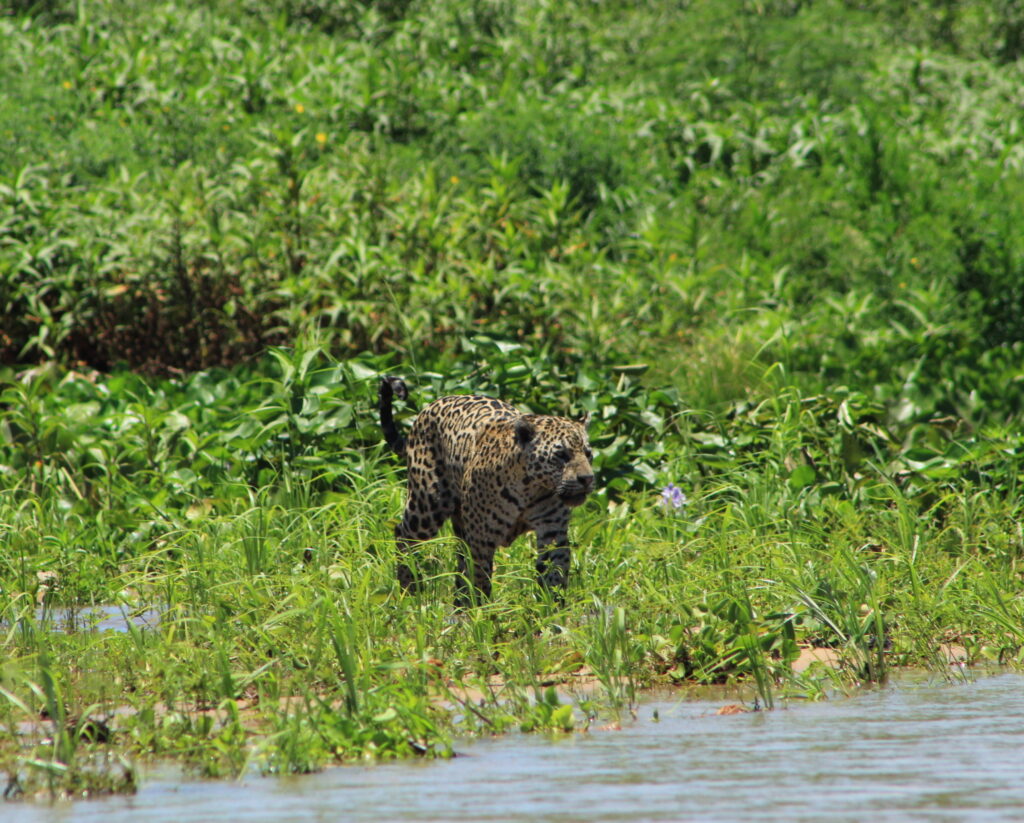
The ideal season for jaguar spotting in Brazil’s Northern Pantanal primarily spans the dry season, from June to October. During these months, water levels recede, concentrating wildlife, including jaguars, in the remaining water areas. This facilitates their observation along rivers and lagoons. July, August, and September are often the most favorable months, as the vegetation becomes less dense and animals are forced to seek water sources, increasing encounter opportunities.
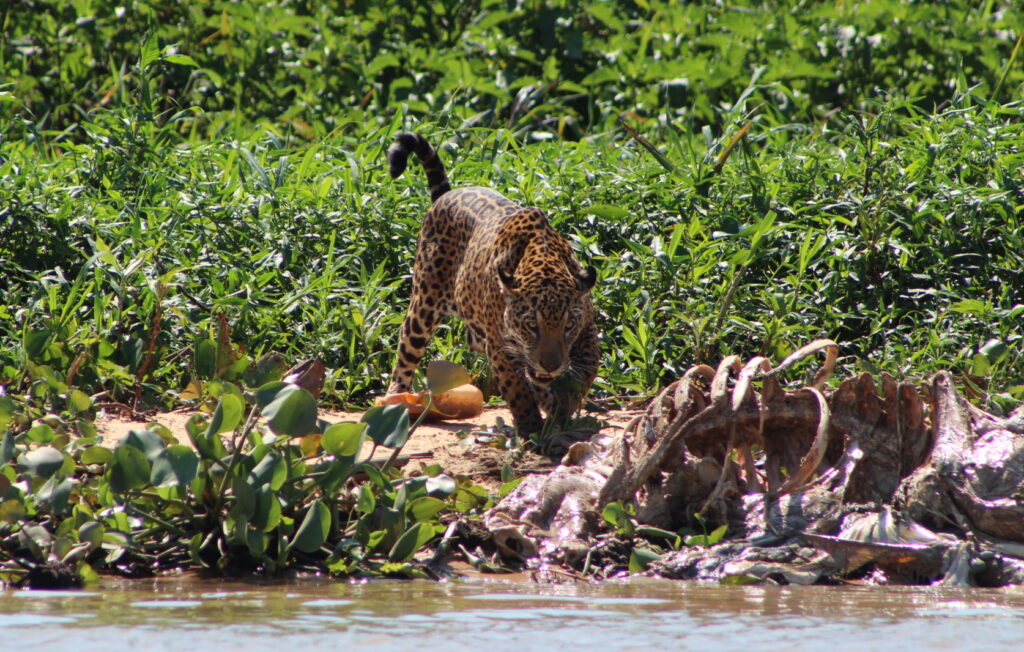
Within the vast Northern Pantanal, certain areas stand out for their high jaguar density and tourist infrastructure geared towards observation. The Porto Jofre region in Mato Grosso state is globally recognized as the “Jaguar Capital.” Here, the Cuiabá, Três Irmãos, and São Lourenço rivers are natural corridors where jaguars are frequently sighted, especially at dawn and dusk when they are most active. Other areas like the Estrada Parque Transpantaneira, which crosses the Pantanal from Poconé to Porto Cercado, also offer excellent opportunities, allowing for the combination of jaguar spotting with observing a wide variety of other species.
The key to maximizing your chances of success lies in combining the right season with the choice of lodges and tour operators experienced in jaguar tracking. These professionals know the territories, animal habits, and best observation points. Patience and a willingness to spend time on boats or in 4×4 vehicles exploring remote areas are fundamental for those wishing for a close encounter with this iconic South American feline.
| Tour/Lodge | Main Location | Typical Duration | Featured Activities | |
|---|---|---|---|---|
| Pantanal Jaguar Expeditions | Porto Jofre | 4-7 days | Boat-based jaguar spotting, wildlife photography, birdwatching | |
| Jofre Ecological Lodge | Near Porto Jofre | 3-5 days | River boat trips, photographic safaris, guided hikes | |
| Araras Pantanal Lodge | Estrada Parque Transpantaneira | 3-6 days | 4×4 vehicle wildlife viewing, horseback riding, birdwatching | |
| Hotel Beira Rio | Porto Jofre | 3-4 days | Jaguar-focused boat excursions, sport fishing (regulated) | |
| Pousada Alegre | Poconé Region | 3-5 days | Canoe tours, caiman and bird watching, night safaris |
Key Tips for Successful Jaguar Spotting in the Northern Pantanal
To ensure a rewarding and safe jaguar-seeking experience, thorough preparation is essential. For packing, light-colored clothing in neutral tones (khaki, green, beige) that blend with the environment is recommended, along with sun protection (wide-brimmed hat, sunglasses, high-spectrum sunscreen), potent insect repellent, and a good pair of binoculars. Comfortable, closed-toe shoes are essential for walks, and a waterproof jacket or poncho can be useful for sudden rain showers, although the dry season is predominant.
Behavior during sightings is crucial to avoid disturbing wildlife or compromising safety. Always maintain a low voice tone and avoid sudden movements. Follow your guide’s instructions at all times; they possess expert knowledge of animal behavior and safe routes. Observation distances must be respected, allowing animals to act naturally. Patience is an indispensable virtue; jaguar spotting requires time and often involves long waits.
Wildlife photography can be an exciting component of your expedition. Telephoto lenses (300mm or more) are recommended to capture stunning images without getting too close to the animal. A camera with good burst mode capabilities and a tripod or monopod can be very helpful for sharp shots, especially in low light conditions at dawn or dusk. Ensure your equipment is protected from dust and humidity, common elements in the Pantanal.
Finally, choosing guides and lodges with proven experience in jaguar spotting is paramount. These professionals not only know the best areas and times to see them but are also trained to interpret animal behavior and ensure the experience is sustainable and respectful of the environment. Research and book in advance, as the most reputable tours are in high demand, especially during the peak spotting season.
How to Get There and Get Around for Jaguar Spotting in the Northern Pantanal
The main access to Brazil’s Northern Pantanal is through the airports of Cuiabá (MT) and Campo Grande (MS). From Cuiabá, the most common route is to head towards Poconé and from there take the Estrada Parque Transpantaneira, a dirt road that ventures into the heart of the Pantanal and is a wildlife corridor in itself. Another option is to fly to Campo Grande and from there head towards the southern Pantanal region, although for the north, Cuiabá is usually the preferred starting point. The main roads to Poconé are paved and in good condition, but the Transpantaneira requires a suitable vehicle.
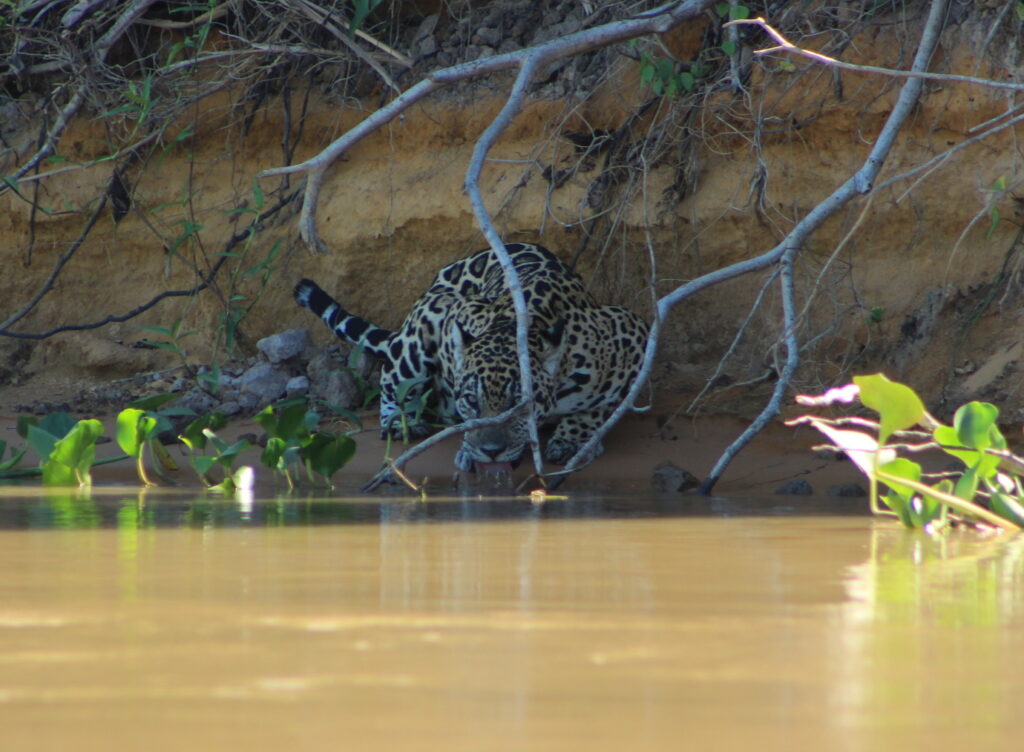
Once in the Northern Pantanal, mobility centers around the Estrada Parque Transpantaneira and waterways. 4×4 vehicles are essential for traversing the Transpantaneira, especially during the rainy season, as some sections can become impassable. Many lodges offer transfers in these vehicles from Poconé or designated meeting points. Boat trips are the most effective and exciting way to spot jaguars, as these felines often approach riverbanks to drink or hunt. Tours typically operate from Porto Jofre, the epicenter of jaguar observation.
For those seeking a more exclusive experience or needing access to remote areas, private small planes can be an option. Some luxury lodges offer direct air transfers to their facilities, saving time and allowing appreciation of the Pantanal’s vastness from a privileged perspective. However, most visitors opt for a combination of flights to Cuiabá, 4×4 ground transfers, and extensive boat tours along the rivers, which offer the best balance of accessibility and spotting opportunities.
Frequently Asked Questions about Jaguar Spotting in Brazil’s Northern Pantanal
In this section, we will address the most common questions that arise when planning a trip to observe jaguars in Brazil’s Northern Pantanal, providing useful information for a safe and memorable experience.
Is it safe to go jaguar spotting in Brazil’s Northern Pantanal?
Yes, jaguar spotting in Brazil’s Northern Pantanal is generally safe when appropriate precautions are taken and expert guide recommendations are followed. Tour operators and lodges are highly trained in wildlife management and safety. Sightings are conducted from boats or 4×4 vehicles, maintaining a respectful distance to avoid interfering with the animal or endangering visitors. It is crucial to adhere to the guide’s instructions on behavior, such as not making loud noises or sudden movements, to ensure the safety of both people and animals.
The presence of jaguars in their natural habitat carries inherent risks, as with any wild wildlife. However, the probability of a negative encounter is extremely low due to the safety measures in place. Guides know the territories and the jaguars’ usual behaviors, and always prioritize the group’s safety. The key lies in the professionalism of tour operators and the responsibility of visitors in following established guidelines.
What are my chances of seeing a jaguar during my visit?
The probability of spotting a jaguar in the Northern Pantanal is quite high, especially if you visit during the dry season (June to October) and choose experienced operators in Porto Jofre. This region is known as one of the best places in the world to see jaguars, with a significant population density. However, it’s important to remember that these are wild animals, and while opportunities are good, there are no absolute guarantees in nature.
Factors such as luck, the chosen season, the length of stay, and search effort influence the chances. Being in the right place at the right time is crucial. Tours that dedicate more time to boat searches along the Cuiabá and Três Irmãos rivers, especially at dawn and dusk, significantly maximize opportunities. Patience and trust in the experience of local guides are your best allies in increasing your chances of success.
What camera equipment is recommended for photographing jaguars in the Pantanal?
For jaguar spotting, appropriate camera equipment can make the difference between a blurry photo and a spectacular image. The use of long telephoto lenses, ideally from 300mm to 600mm, is highly recommended to capture animal details without getting too close, respecting their space. A versatile zoom lens like a 70-300mm or 100-400mm can also be very useful.
In addition to lenses, a digital SLR (DSLR) or mirrorless camera with good burst shooting capabilities and solid performance at high ISO is ideal, as sightings often occur in low light conditions (dawn and dusk). A tripod or monopod can help stabilize the camera for sharp shots, especially with long telephoto lenses. Don’t forget to bring spare batteries and enough memory cards, and protect your equipment from dust and humidity with suitable bags or covers.
Are there other feline species I might see besides the jaguar?
Yes, Brazil’s Northern Pantanal is home to a rich diversity of felines, and while the jaguar is the star, other smaller and more elusive species can be spotted. These include the ocelot (Leopardus pardalis), a medium-sized feline with spectacularly spotted fur, and the margay (Leopardus wiedii), a smaller, agile arboreal feline adapted to life in trees.
It is also possible to find the jaguarundi (Herpailurus yagouaroundi), a feline with an elongated body and short legs, which comes in two color variations: a dark one and a reddish one. These felines are usually harder to spot than jaguars, as they are shyer and often nocturnal or crepuscular. Ocelots may be occasionally seen near rivers or on trails, while margays and jaguarundis require more luck and are often captured by camera traps or spotted at unexpected moments during expeditions.