PT
PT  EN
EN  ES
ES 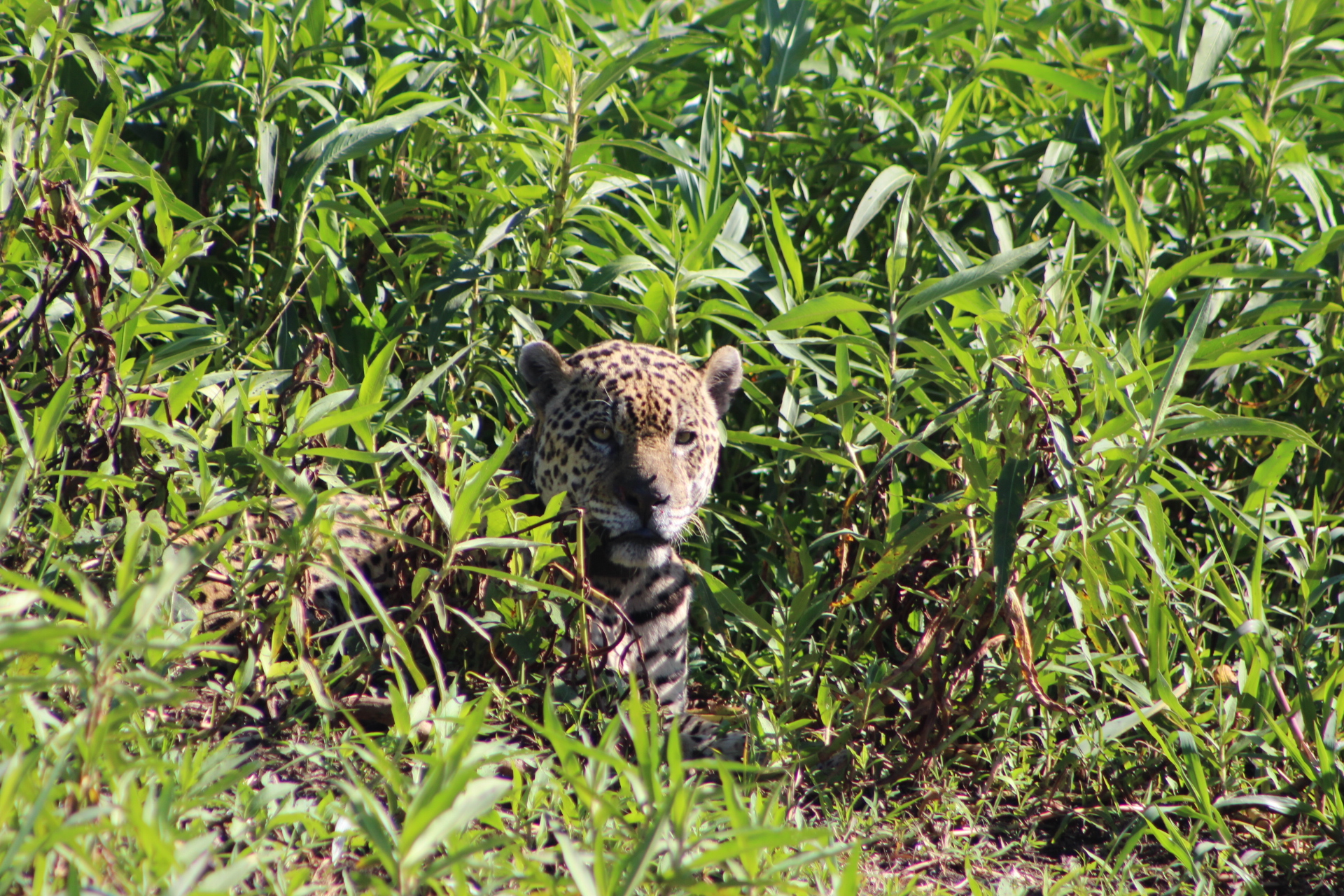
Brazil, a country of vast biodiversity, this tropical wetland, one of the largest in the world, is a sanctuary for a variety of wildlife, offering breathtaking landscapes and unforgettable experiences for nature lovers. The Northern Pantanal stands out as a prime destination for encountering one of the continent's most majestic felines: the jaguar. The possibility of observing these magnificent animals in their natural habitat, often on riverbanks, makes this region a magnet for photographers, naturalists, and adventurers from around the globe.
Brazil, a country of vast biodiversity, this tropical wetland, one of the largest in the world, is a sanctuary for a variety of wildlife, offering breathtaking landscapes and unforgettable experiences for nature lovers.
The Northern Pantanal stands out as a prime destination for encountering one of the continent’s most majestic felines: the jaguar. The possibility of observing these magnificent animals in their natural habitat, often on riverbanks, makes this region a magnet for photographers, naturalists, and adventurers from around the globe.
What is a Jaguar Safari in Brazil’s Northern Pantanal?
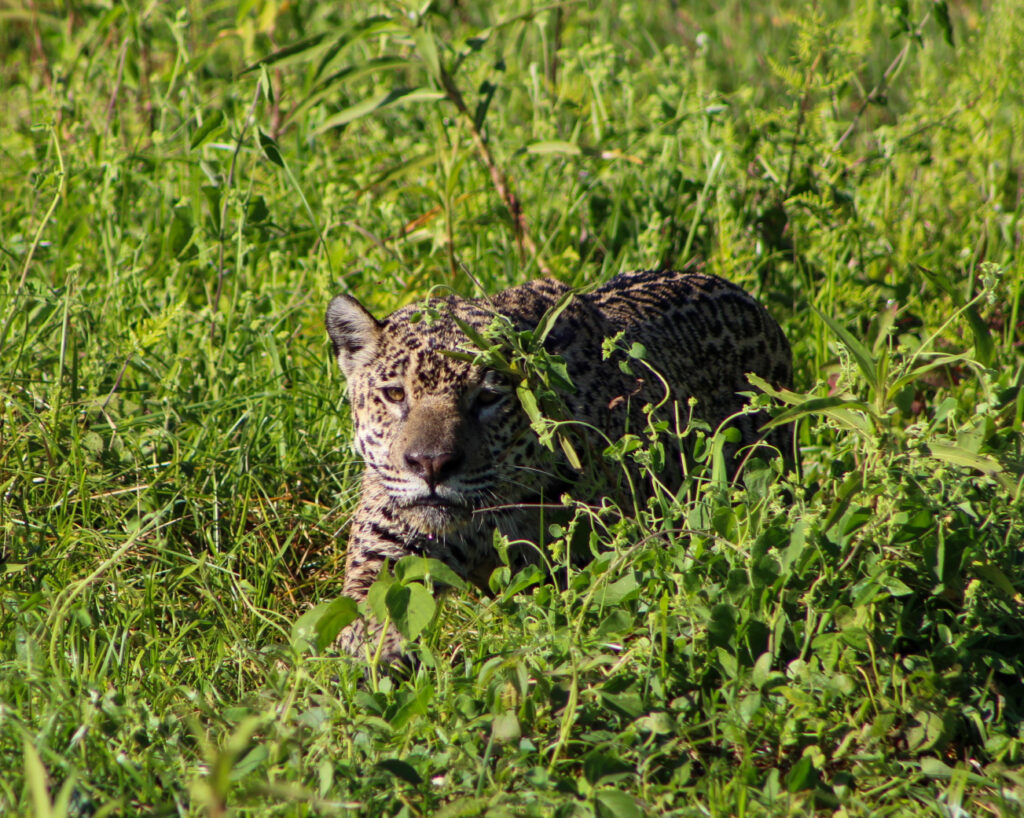
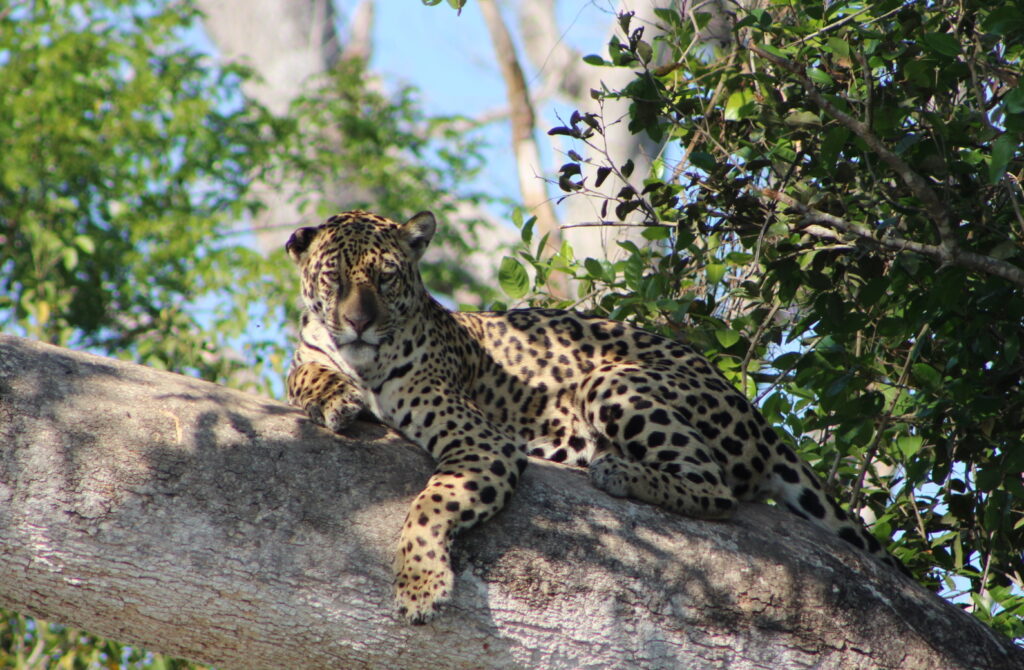
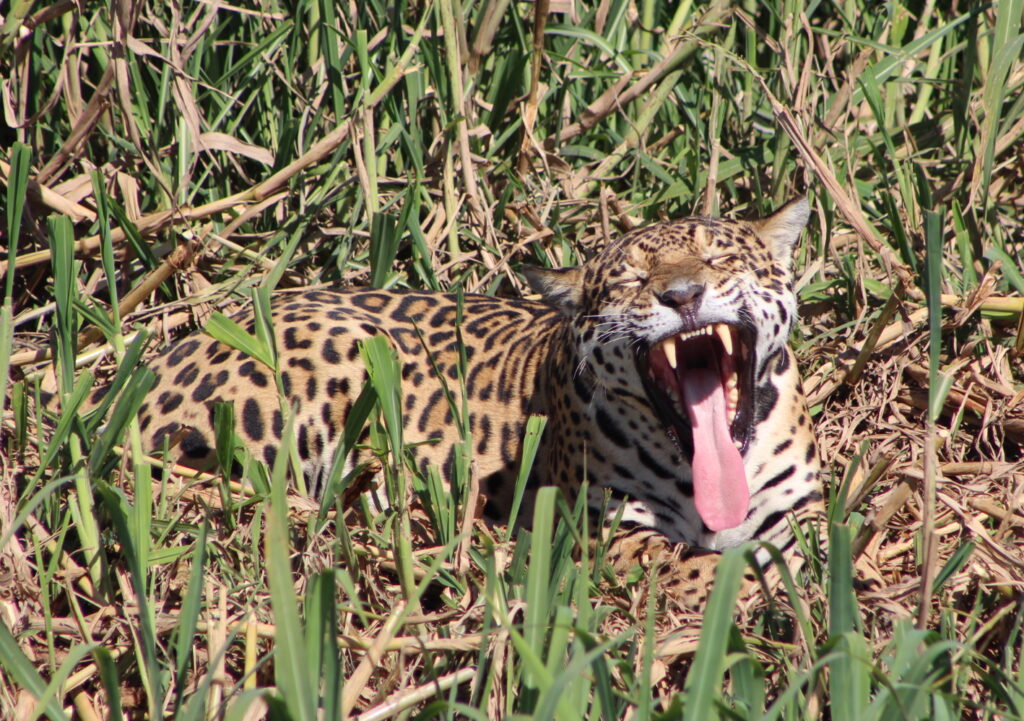
A jaguar safari in Brazil’s Northern Pantanal is an expedition for observing and photographing jaguars (Panthera onca) in their natural environment. The Pantanal, especially its northern portion, is globally recognized as one of the best places on the planet to spot these imposing felines. Unlike other destinations where jaguars are elusive and difficult to find, the Pantanal’s conditions, with its extensive water areas and abundance of prey, facilitate their sighting, particularly along the rivers.
This experience goes beyond simply observing an animal; it represents a deep immersion into one of the world’s richest and most vibrant wetland ecosystems. The ecological importance of the jaguar as an apex predator is crucial for the Pantanal’s balance. A safari here not only offers the thrill of seeing a jaguar but also the opportunity to understand its role in the food chain and the fragility of this habitat, making it an educational journey of profound connection with nature.
Best Time for Your Jaguar Safari in Brazil’s Northern Pantanal
Choosing the right time is fundamental to maximizing the chances of a successful jaguar sighting in the Northern Pantanal. The dry season, which generally spans from May to October, is considered the most favorable. During these months, river water levels drop, forcing jaguars to congregate on the banks in search of water and prey, such as capybaras and caimans, which also concentrate in the remaining water bodies. This greatly facilitates their visibility from boats.
The rainy season, from November to April, presents a different scenario. While the vegetation is lush and wildlife abundant, high water levels can hinder access to certain areas and disperse the animals. However, for birdwatchers, this time can be equally rewarding. For a jaguar-focused safari, the months of July, August, and September are recommended, when the combination of low water and pleasant weather is usually ideal.
Main Attractions and Activities of the Northern Pantanal Jaguar Safari
The main attraction, without a doubt, is the opportunity to witness jaguars in their natural habitat. Safaris are usually conducted in motorboats that navigate slowly through the Pantanal’s rivers and tributaries, allowing guides to locate the felines resting on the banks, hunting, or swimming. The patience and expertise of local guides are key to these sightings, which often result in unforgettable moments of close observation.
Beyond jaguars, the Northern Pantanal is a paradise for wildlife in general. Boat trips offer spectacular views of an astonishing diversity of fauna. It is common to spot capybaras, the world’s largest rodents, in large family groups, as well as yacare caimans basking on the riverbanks. Ornithology is another strong point, with hundreds of bird species, including toucans, macaws, herons, and the imposing jabiru.
Other activities complement the jaguar safari experience. Horseback riding allows exploration of the dry land areas, while guided walks offer a different perspective of the flora and fauna. Wildlife photography reaches its peak splendor in this environment, capturing not only the large