PT
PT  EN
EN  ES
ES 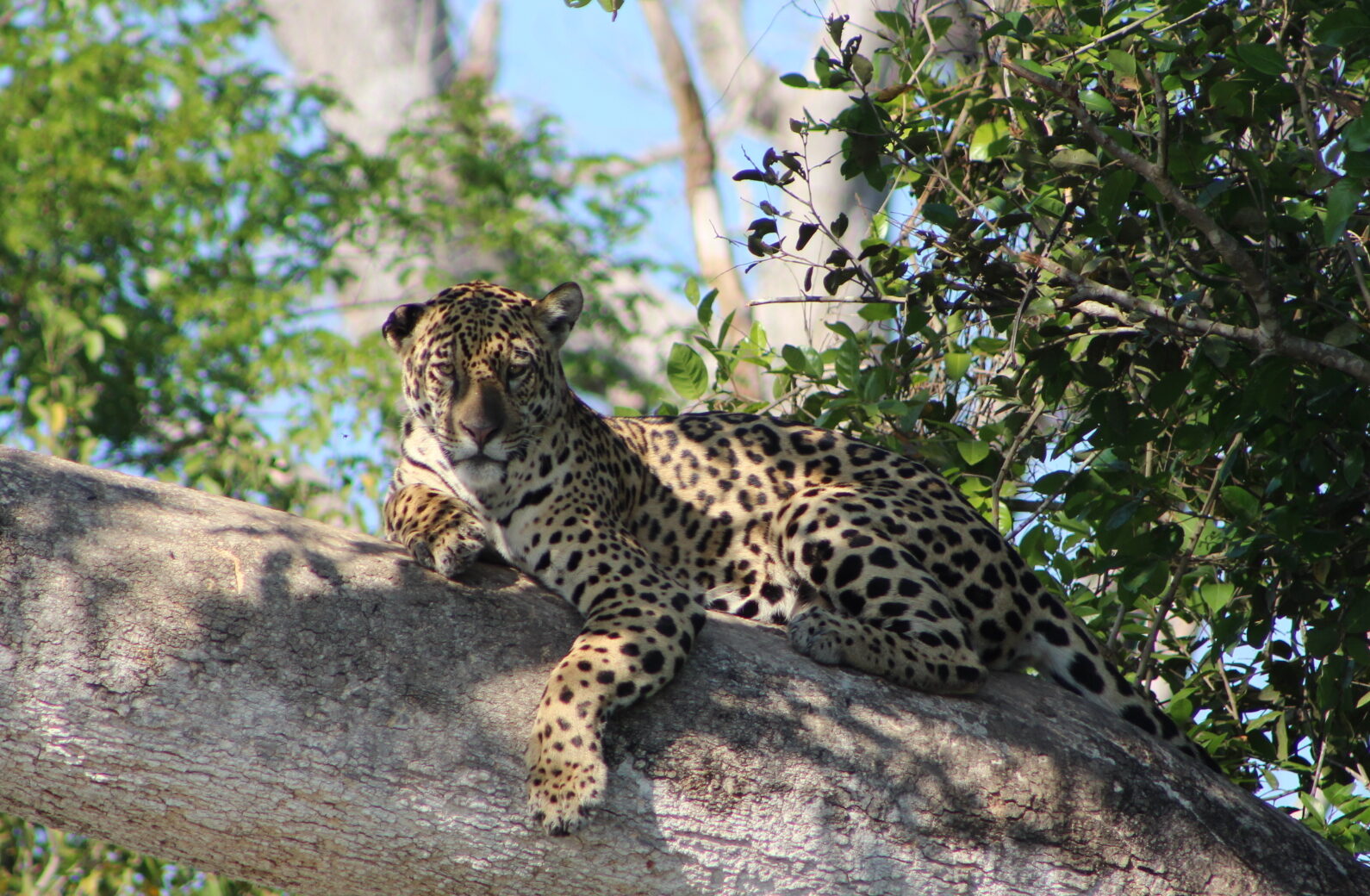
Discover the secrets of Pantanal wildlife photography. Tips and tricks for capturing fauna in its natural habitat.
The Pantanal, a vast tropical wetland spanning Brazil, Bolivia, and Paraguay, stands as one of the planet’s most stunning and accessible wildlife sanctuaries. Its immensity and biological diversity make it a dream destination for nature photographers, offering unparalleled opportunities to capture images of iconic species in their natural habitat.
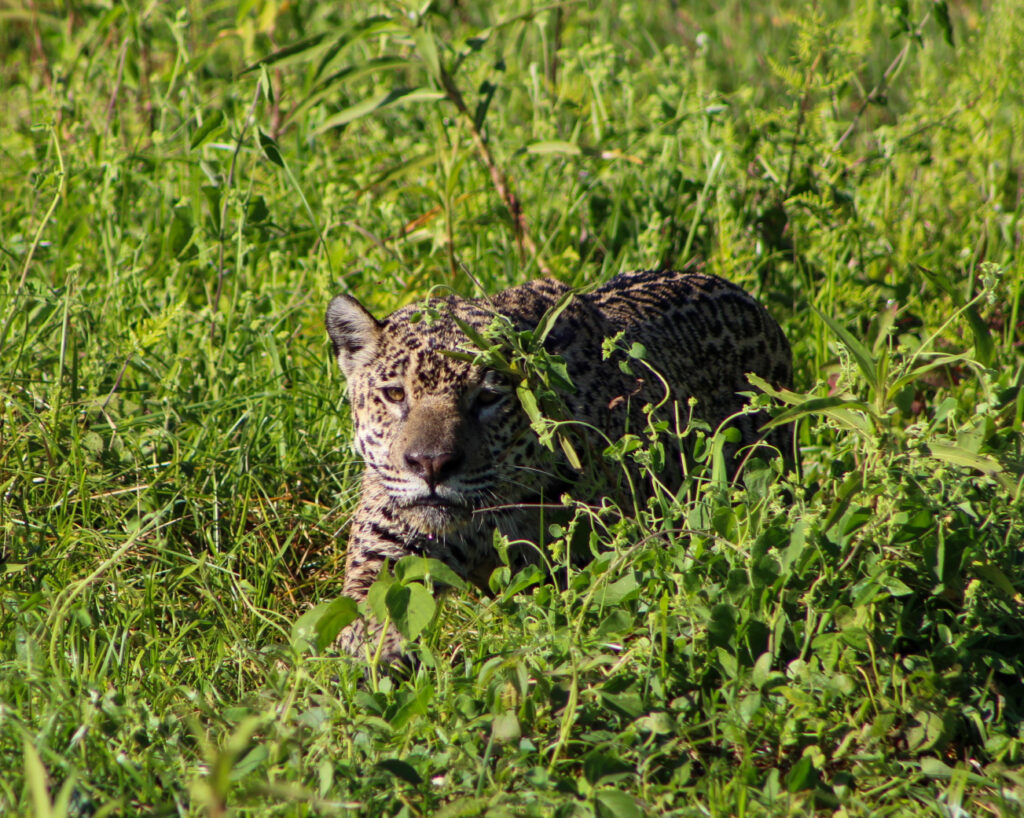
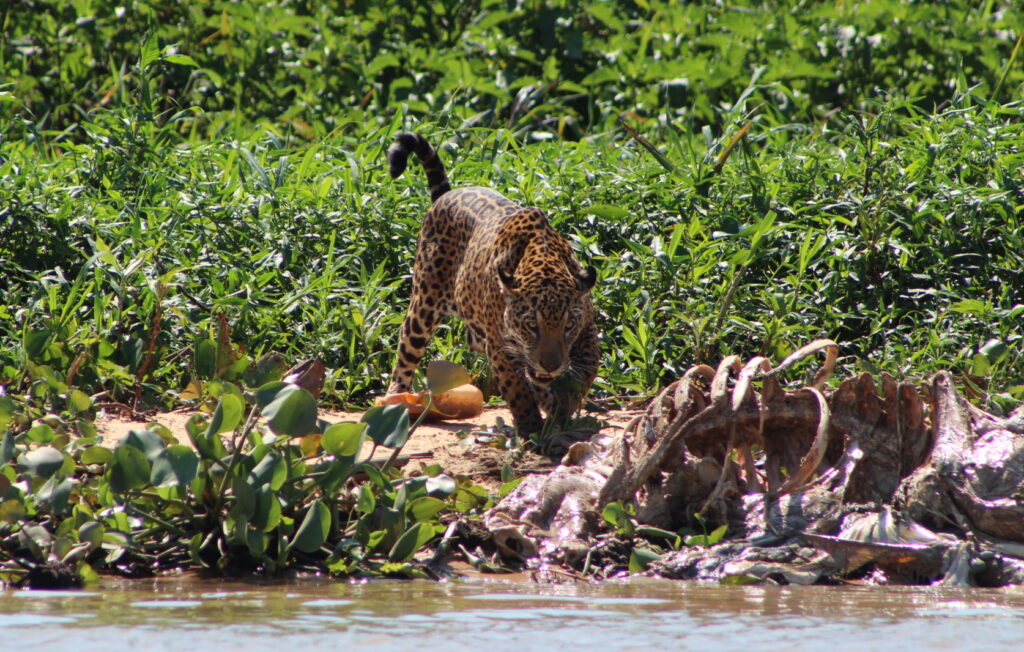
This ecological paradise hosts an extraordinarily high concentration of fauna, including jaguars, capybaras, caimans, anacondas, and an astonishing variety of birds. The Pantanal’s topography, with its extensive floodplains and riparian forests, creates a dynamic landscape that changes dramatically with the seasons, presenting unique challenges and opportunities for wildlife photography.
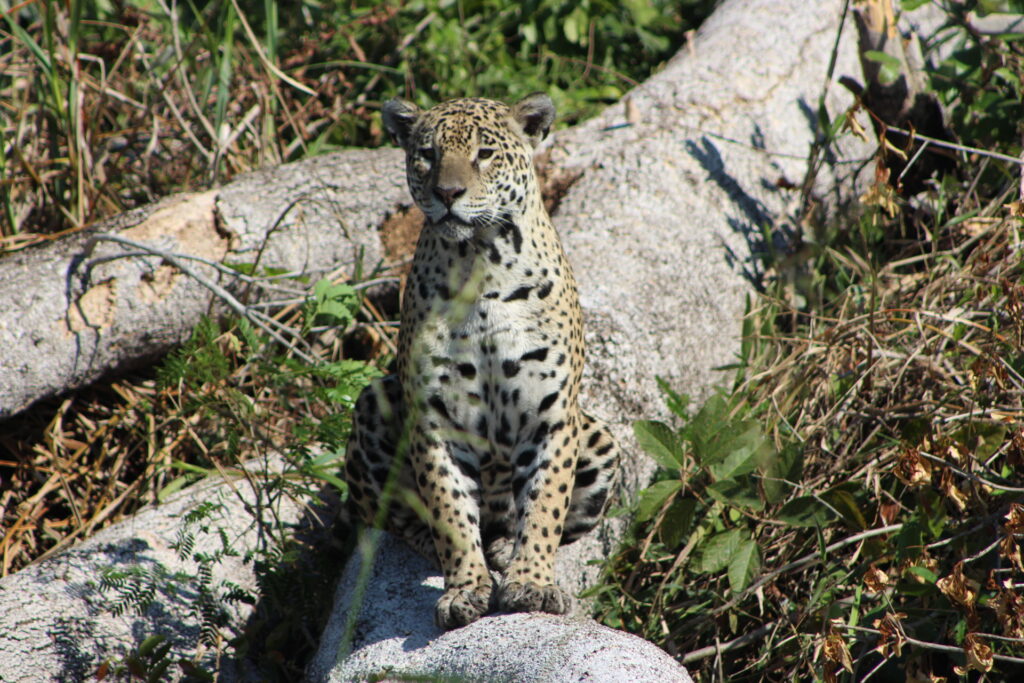
Pantanal: Immersing in Wildlife Photography
The Pantanal is a dream destination for any photographer passionate about wildlife. Its status as the world’s largest tropical wetland, coupled with exceptional biodiversity, guarantees close and constant encounters with spectacular fauna. From predators like the jaguar to an incredible variety of birds, the Pantanal offers a moving canvas to capture the essence of nature in its purest state. The relative ease of spotting animals, combined with breathtaking landscapes, positions it as a prime location for photographic tours seeking impactful images.
Photography in the Pantanal goes beyond simply capturing images; it’s an immersive experience in a vibrant ecosystem. Opportunities to photograph natural behaviors, interspecies interactions, and the majesty of the landscapes are abundant. Whether from a canoe, an all-terrain vehicle, or an observation deck, every moment in the Pantanal presents a new possibility to create memorable photographs that reflect the richness and fragility of this natural treasure.
Best Time and Climate for Your Pantanal Wildlife Photography Tour
Choosing the right time to visit the Pantanal is crucial for optimizing photographic opportunities. The Pantanal is primarily divided into two seasons: the dry season (approximately May to September) and the wet season (October to April). During the dry season, waters recede, concentrating animals around remaining water sources, which greatly facilitates spotting them and, consequently, photography. Temperatures are more moderate, and there are fewer mosquitoes, creating pleasant conditions for expeditions.
In contrast, the wet season brings extensive floods that transform the landscape, creating a mirror of water reflecting the sky and vegetation, offering unique photographic opportunities for landscapes and water birds. Although the visibility of some terrestrial animals may decrease, the abundance of aquatic life and lush vegetation compensates. The climate is warmer and more humid, with frequent rains, but these are usually intense and short, allowing photography activities to continue. Both seasons offer distinct advantages for photographers.
Essential Gear for Pantanal Wildlife Photography
To capture the magnificence of the Pantanal, having the right equipment is fundamental. A DSLR or mirrorless camera with burst shooting capabilities and good high-ISO performance is recommended, ideal for moving wildlife and low-light conditions. For lenses, a powerful telephoto lens (such as a 300mm, 400mm, or even 600mm) is essential for getting close to wildlife without disturbing it. A versatile zoom lens (e.g., 70-200mm or 100-400mm) will also be very useful for different scenarios. Don’t forget a stable tripod or monopod to ensure sharpness in low-light shots or with long telephoto lenses, and sufficient spare batteries and memory cards.
In addition to photographic equipment, other items are key for a comfortable and safe experience. Neutral-colored, quick-drying clothing, long pants, and long-sleeved shirts to protect from the sun and insects, a wide-brimmed hat, and sunglasses are essential. Good insect repellent, especially one containing DEET, is vital, as is high-SPF sunscreen. Quality binoculars will allow you to locate and observe wildlife before focusing your camera. Also consider a waterproof backpack to protect your gear from moisture and occasional rain.
- DSLR/Mirrorless cameras with good ISO and burst mode
- Telephoto lenses (300mm, 400mm, 600mm)
- Versatile zoom lenses (70-200mm, 100-400mm)
- Tripod or monopod
- Extra batteries and memory cards
- Quick-drying clothing in neutral colors
- Hat, sunglasses, sunscreen
- Insect repellent
- Binoculars
- Waterproof backpack
| Tour Type | Average Duration | Main Focus | Ideal For | |
|---|---|---|---|---|
| Jaguar Tour | 5-7 days | Jaguar spotting and photography | Photographers specializing in big cats | |
| General Biodiversity Tour | 4-6 days | Variety of fauna and landscapes | Photographers interested in a comprehensive view | |
| Birding Tour | 3-5 days | Waterfowl and terrestrial bird photography | Ornithologists and bird photographers | |
| Custom Photography Expedition | Variable | Focus according to client needs | Photographers with specific requirements |
Key Techniques for Capturing Pantanal Wildlife
Wildlife photography in the Pantanal demands patience, observation, and mastery of certain techniques. One of the most important is understanding animal behavior. Learning the habits of the species you aim to photograph will allow you to anticipate their movements and be in the right place at the right time. Observe their feeding, resting, and movement patterns. Light is another crucial factor; the golden hours (sunrise and sunset) offer soft, warm light that enhances textures and colors, creating magical atmospheres. Avoid shooting in harsh midday sun, as it can create unflattering shadows.
Composition plays a vital role in telling a story with your images. Apply the rule of thirds, use natural leading lines to guide the viewer’s eye, and pay attention to the background to avoid distractions. Experiment with different angles and perspectives; shooting from ground level can give a sense of immersion, while shots from boats or vehicles allow you to get closer without being intrusive. Photography from these platforms requires a steady technique, often using the vehicle or boat as a support to minimize camera shake.
- Research and learn about the behavior of local fauna.
- Take advantage of the golden hours for optimal lighting.
- Use the rule of thirds and leading lines for attractive compositions.
- Experiment with low angles and different perspectives.
- Keep your camera steady when shooting from vehicles or boats.
- Be patient and respect the animals’ space.
- Adjust your camera settings (ISO, aperture, shutter speed) according to conditions.
Frequently Asked Questions about Pantanal Wildlife Photography
Planning a photographic tour to the Pantanal can raise various questions. Below, we address some of the most common inquiries to help you prepare for your adventure and maximize your photographic results in this incredible ecosystem.
What is the best time to see animals in the Pantanal for photography?
The dry season (May to September) is generally considered the best time for spotting a large number of animals, as they congregate around water sources. It’s ideal for seeing mammals like jaguars, capybaras, and marsh deer. The wet season (November to April) is excellent for bird photography, especially migratory and aquatic birds, and offers spectacular landscapes with flooded plains, although spotting some terrestrial mammals can be more challenging.
What kind of animals can I expect to photograph in the Pantanal?
The Pantanal is famous for its abundant wildlife. You can expect to photograph jaguars, pumas, ocelots, capybaras (the world’s largest rodent), marsh deer, tapirs, peccaries, monkeys (like howler and capuchin monkeys), giant otters, and an incredible diversity of reptiles such as caimans and anacondas. The birdlife is equally impressive, with toucans, macaws, herons, jabiru storks, raptors, and many other species.
Do I need prior wildlife photography experience for a Pantanal tour?
Advanced prior experience is not strictly necessary. Many tours are designed for photographers of all levels, including beginners. The guides and professional photographers accompanying these tours usually offer tips and technical assistance to help you get the best shots. However, having basic knowledge of your camera and photography principles will significantly enhance your experience and results.
What safety precautions should I take during a photography tour in the Pantanal?
Safety is paramount. Always follow your guide’s instructions, especially when interacting with wildlife or moving through potentially hazardous terrain. Maintain a safe distance from wild animals, do not feed them, and avoid loud noises or sudden movements that could startle or provoke them. Use insect repellent and sunscreen, stay hydrated, and be careful when getting in and out of vehicles or boats. It is advisable to have travel insurance that covers adventure activities.