PT
PT  EN
EN  ES
ES 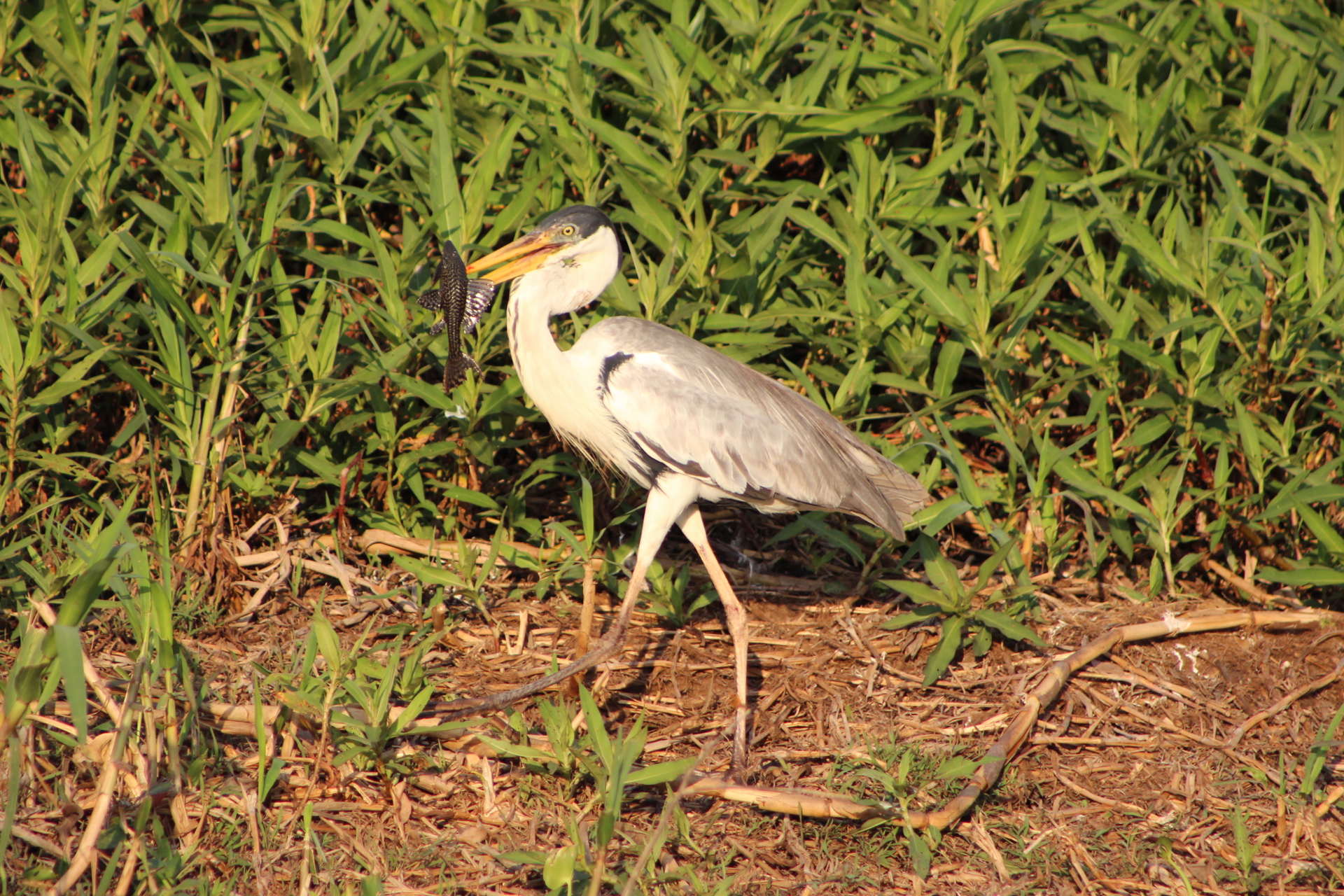
Discover the key differences between the Pantanal in the dry and rainy seasons. Plan your perfect adventure!
The Pantanal, the world’s largest tropical wetland, offers radically different travel experiences depending on the season. This vast expanse of savannas, forests, and rivers in South America transforms dramatically between the dry and rainy seasons, presenting unique landscapes, wildlife, and activities in each cycle. Understanding these differences is key to planning an unforgettable visit and making the most of this biodiversity sanctuary.
Whether you’re looking for wildlife viewing concentrated in an open landscape or the lushness of an ecosystem teeming with aquatic life and birds, the Pantanal has something to offer. The choice of season will directly impact your experience, from ease of access to the types of animals you can observe most clearly. Below, we will explore the distinctive characteristics of each season to help you decide when is the perfect time for you.
The Pantanal During the Dry Season: Wildlife Viewing and Open Landscapes
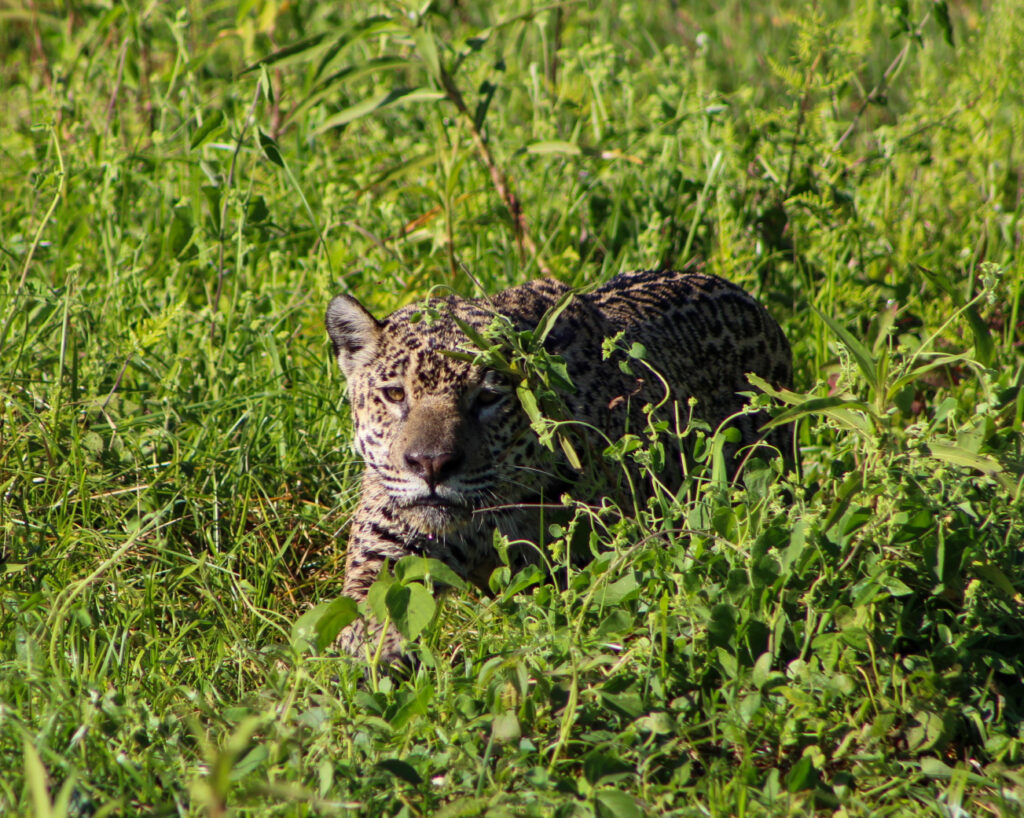
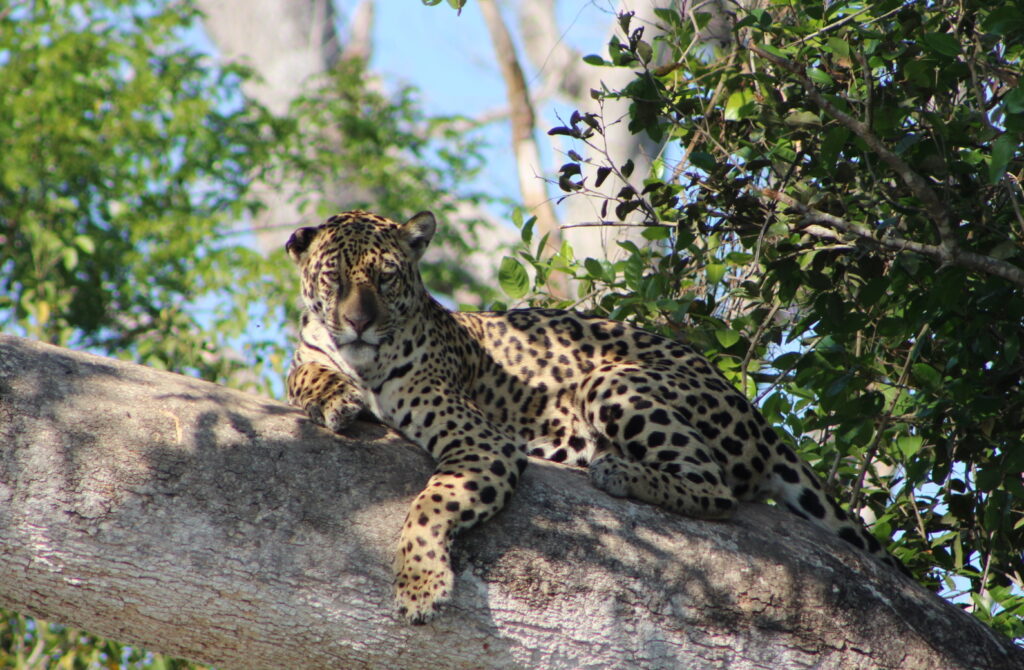
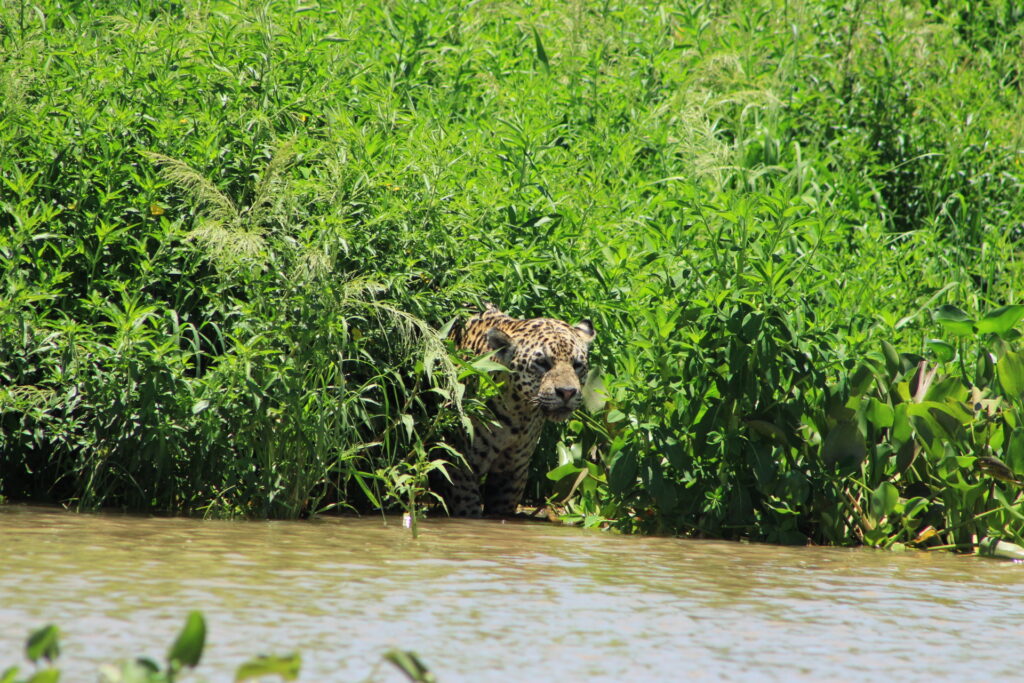
The dry season in the Pantanal, which runs from approximately May to October, is often considered the golden time for wildlife viewing. As the rains cease and temperatures rise, water levels in rivers, lagoons, and wetlands begin to drop. This decrease in water forces the Pantanal’s diverse fauna to concentrate in the remaining water sources, creating spectacular opportunities to observe animals. Mammals such as capybaras, caimans, giant otters, and, with luck, the elusive jaguar, become more visible as they seek water and food in more accessible areas.
Clear skies and bright sunshine are distinctive features of this season, providing excellent visibility for wildlife photography. Landscapes become more open as the vegetation dries out, allowing for a wider view of the surroundings. Furthermore, the dry season facilitates movement through the region; roads, which often become impassable during the rainy season, are more accessible, allowing for exploration of the Pantanal by 4×4 vehicles, horseback, or on foot with greater comfort and safety. Activities such as photo safaris, hiking, and horseback riding are ideal during this period.
The relative dryness of the terrain can also make animal tracking more predictable, as many species are known to frequent specific water points. Local guides leverage this knowledge to maximize sighting opportunities. Although it can get hot, frequent breezes and lower humidity compared to the rainy season make the experience very pleasant for those seeking a deep immersion in nature and close contact with wildlife in its natural habitat.
The Pantanal During the Rainy Season: A Green Oasis and Flourishing Biodiversity
The rainy season in the Pantanal, which runs from November to April, brings a radical transformation of the landscape. Torrential rains flood vast areas, turning the Pantanal into a gigantic wetland. This abundance of water brings a vibrant and lush ecosystem to life. Vegetation flourishes, creating an intense green tapestry and providing habitat and food for countless species. It is a period of renewal and growth, where life manifests in its fullest expression.
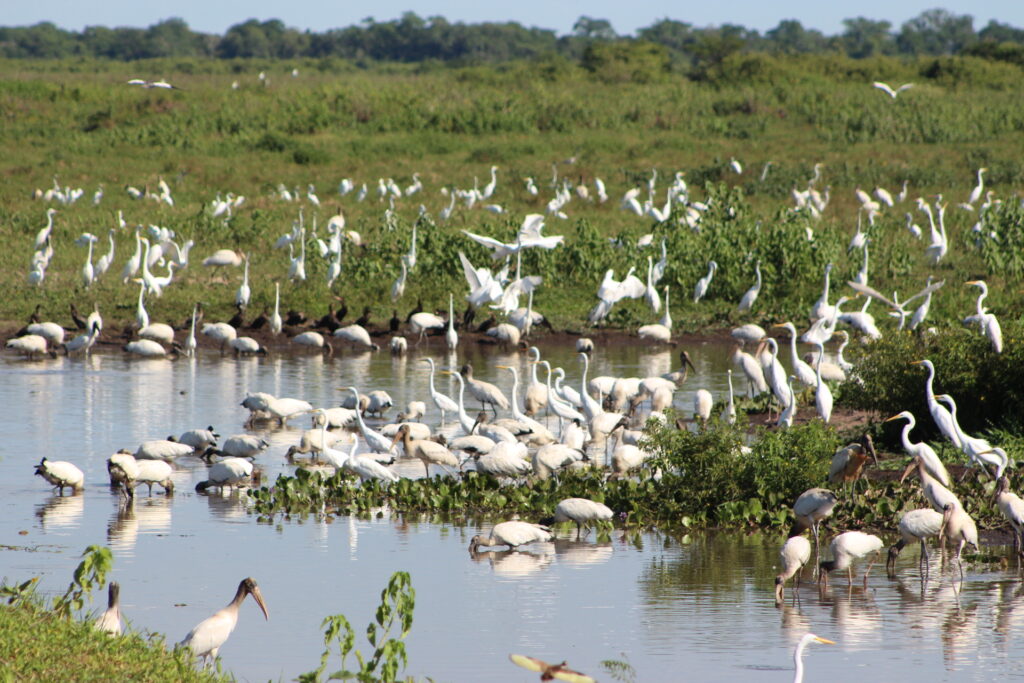
During this season, wildlife disperses across the flooded areas, but the abundance of water stimulates the reproduction and activity of many species, especially birds and insects. The skies fill with migratory and resident birds that find a paradise in the wetlands for feeding and nesting. The experience of navigating rivers and lagoons intensifies, as the water allows access to areas that would otherwise be inaccessible. Boat and canoe trips become the primary mode of exploration, offering a unique and silent perspective of nature.
Although access may be more limited and the climate more humid and hot, the rainy season offers a different but equally fascinating Pantanal experience. The explosion of life, the aquatic landscapes, and the opportunity to observe birds in their full splendor are significant attractions. It is an ideal time for landscape photography enthusiasts and for those who enjoy the serenity and richness of an ecosystem at its peak, discovering the magic of a constantly moving aquatic world.
| Feature | Dry Season (May – October) | Rainy Season (November – April) |
|---|---|---|
| Water Levels | Low, concentrating wildlife in remaining water sources. | High, flooding large areas and creating wetlands. |
| Landscape | Open, dry savannas, clear skies. | Lush green, aquatic landscapes, dense vegetation. |
| Wildlife Viewing | High concentration of mammals at water points, easy jaguar sightings. | Greater diversity of birds, insects, and aquatic life; more dispersed wildlife. |
| Mobility and Access | Easy land access (vehicles, horses), hiking. | Main access by water (boats, canoes), some roads impassable. |
| Climate | Hot and dry, with cooler nights. | Humid and hot, with frequent and intense rains. |
| Popular Activities | Photo safaris, horseback riding, hiking. | Boat trips, bird watching, landscape photography. |
| Visibility | Excellent visibility for wildlife photography. | Lower visibility in dense areas, but unique opportunities in aquatic landscapes. |
| Overall Experience | Focus on terrestrial wildlife and close encounters. | Immersion in a vibrant and lush aquatic ecosystem. |
When to Travel to the Pantanal? Factors to Consider
The choice between the dry and rainy season for visiting the Pantanal will largely depend on your personal interests and the type of experience you seek. If your main goal is to maximize opportunities to see the largest quantity and variety of terrestrial wildlife, especially mammals like the jaguar, the dry season is undoubtedly the preferred option. The concentration of animals around the few water sources and the ease of movement on the terrain make safaris more fruitful and accessible. Wildlife photography enthusiasts will also benefit from clear skies and improved visibility.
On the other hand, if you are drawn to the idea of experiencing an ecosystem at its peak of aquatic life, enjoying the lushness of the vegetation, and observing an incredible diversity of birds, the rainy season will offer you a unique perspective. The possibility of navigating a Pantanal transformed into a vast wetland, with stunning landscapes and an atmosphere of serenity, can be very attractive. Although access may be more limited and the climate more challenging, the reward is a deep immersion in a natural paradise teeming with life. Both seasons promise an unforgettable adventure, each with its particular charm.
Frequently Asked Questions about the Pantanal during the Dry and Rainy Seasons
Below, we answer some of the most common questions that arise when planning a trip to the Pantanal, considering the particularities of each season. Understanding these details will help you make the best decision for your adventure.
What is the best time to see jaguars in the Pantanal?
The dry season, running from May to October, is considered the best time to spot jaguars in the Pantanal. During these months, water levels drop drastically, forcing jaguars to congregate near rivers and lagoons in search of prey such as caimans and capybaras, which also gather in these areas. The reduced dense vegetation and clear skies also improve visibility, significantly increasing the chances of a successful encounter.
Boat safaris on rivers like the Cuiabá and Triste are particularly effective during the dry season for spotting jaguars resting on the banks or hunting. While there is no absolute guarantee, statistics and guides’ experience point to this season as the most conducive for observing this majestic feline in its natural habitat. Patience and choosing the right location are key to maximizing opportunities.
Is it possible to visit the Pantanal during the rainy season?
Yes, it is entirely possible and highly recommended to visit the Pantanal during the rainy season (November to April). Although the rains can make some roads impassable, the experience transforms into an aquatic adventure. Rivers and lagoons expand, allowing exploration of the Pantanal by canoe or boat, offering a unique and silent perspective of nature. This season is ideal for bird watching, as many migratory species arrive and the abundance of water favors reproduction.
Accommodations are usually prepared to receive visitors year-round, and many offer activities adapted to the rainy season conditions, such as boat trips for wildlife observation and photography of lush landscapes. The lower tourist influx during this time can mean a more intimate and tranquil experience, allowing you to enjoy the serenity of an ecosystem in full bloom, despite the more humid and hot weather.
What should I pack for each season in the Pantanal?
For the dry season (May-October), pack light, breathable clothing in neutral colors for camouflage, sunscreen, a hat, sunglasses, and insect repellent. It is essential to wear long-sleeved shirts and long pants to protect yourself from the sun and insects. A good pair of walking boots or closed-toe shoes and sandals for the accommodation are practical. Don’t forget binoculars and a camera with a good zoom, as well as a light raincoat just in case.
During the rainy season (November-April), in addition to the above, it is crucial to bring quick-drying clothes and a high-quality raincoat or poncho. Waterproof footwear or footwear that dries quickly is essential. Consider bringing a waterproof bag or backpack to protect your electronic devices and valuables from moisture. Although it can be hot, the rains can be intense, so being prepared for humidity and downpours is key to enjoying the experience without setbacks.
What are the differences in animal concentration between the two seasons?
The difference in animal concentration between the dry and rainy seasons is one of the most decisive factors when planning a trip to the Pantanal. During the dry season, the scarcity of water forces wildlife to concentrate in the few remaining water sources, which greatly facilitates the sighting of mammals such as caimans, capybaras, deer, and especially jaguars, which are more visible on the banks of rivers and lagoons.
In contrast, during the rainy season, the vast expanse of water disperses the animals. Although overall biodiversity increases, especially for birds and insects, finding large concentrations of mammals is more difficult, as they have access to water and food over a much wider area. However, the abundance of aquatic life and lush vegetation create a vibrant ecosystem and are ideal for bird watching and aquatic landscape photography.