PT
PT  EN
EN  ES
ES 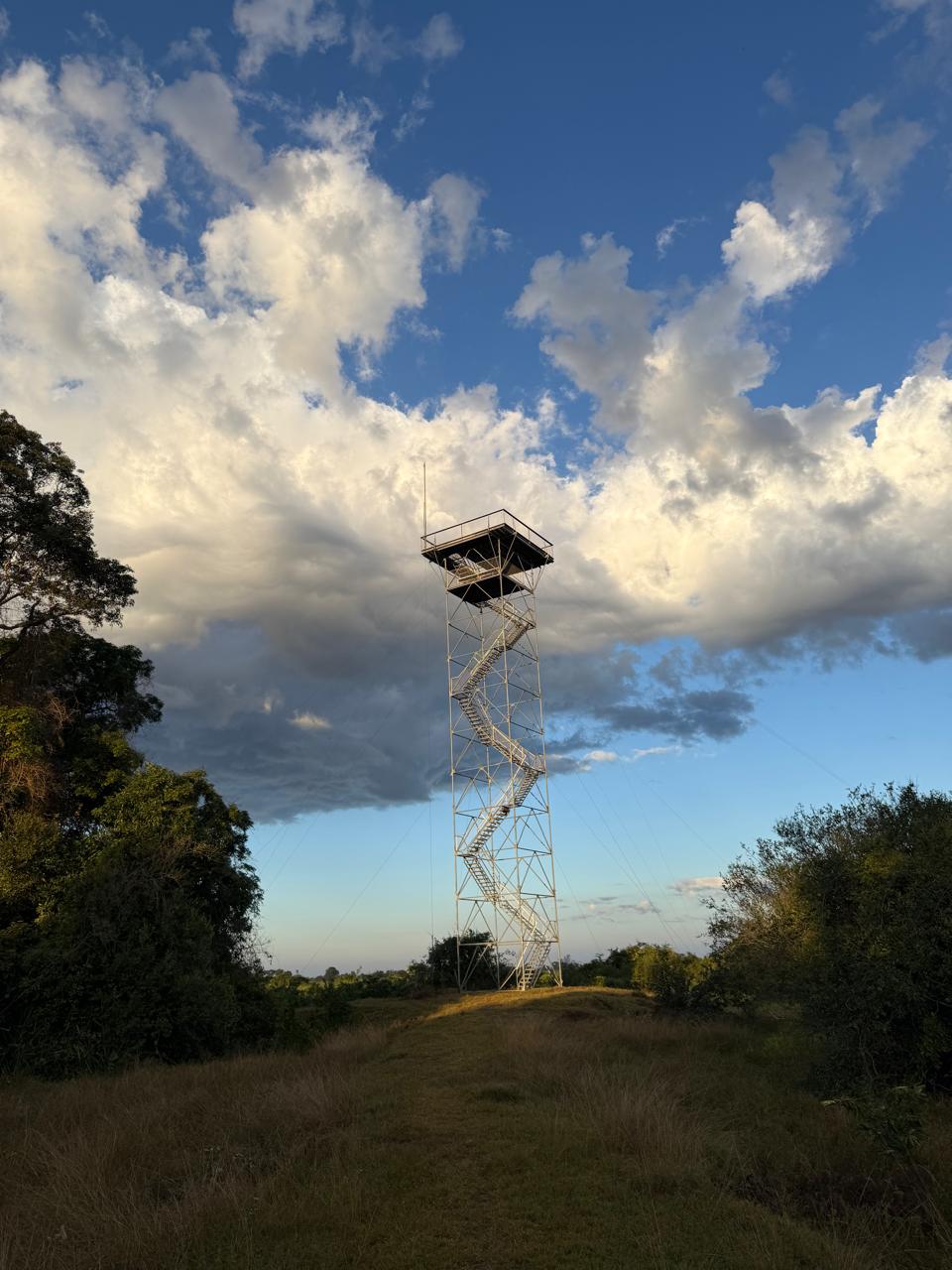
Immerse yourself in the Pantanal by staying in pousadas and eco-lodges on the Transpantaneira. Nature and comfort guaranteed.
The Brazilian Pantanal, a vast wetland of unparalleled biodiversity, offers an immersive nature experience that few places in the world can match. The Transpantaneira, an iconic dirt road that crosses this natural paradise, has become the gateway to countless ecological and cultural wonders. For many travelers, the essence of this adventure lies in choosing the right accommodation, where pousadas and eco-lodges stand as guardians of the authentic experience.
Staying on the Transpantaneira is much more than just a place to rest; it’s an opportunity to live in the heart of wild nature, surrounded by sounds, smells, and landscapes that transform your perception of the world. Pousadas and eco-lodges not only provide shelter but act as expedition centers, allowing visitors to access the deepest parts of the Pantanal ecosystem and connect intimately with its fauna and flora. Choosing the right place is therefore fundamental for an unforgettable experience on the Transpantaneira Pantanal.
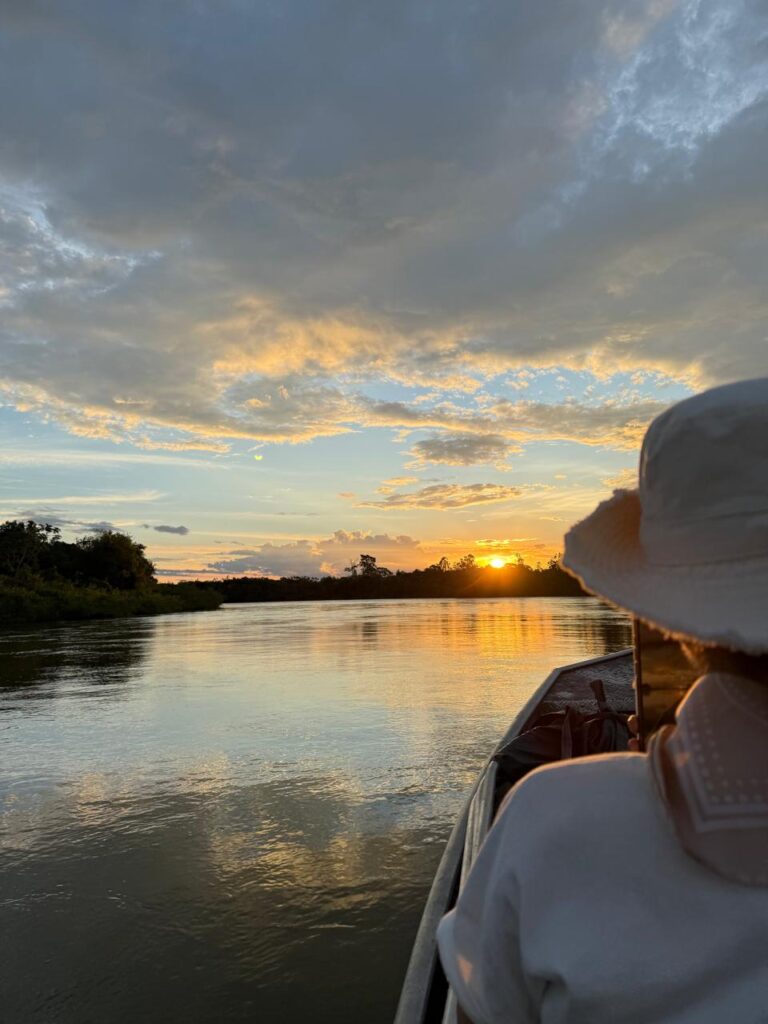
Discover the Best Pousadas and EcoLodges on the Transpantaneira Pantanal
The Transpantaneira is an ecological corridor that invites you to explore the richness of the Brazilian Pantanal. Along its kilometers, dotted with wooden bridges and surrounded by lush vegetation, are scattered various pousadas and eco-lodges. These establishments are the soul of the experience in the region, offering not just accommodation, but a direct immersion into the vibrant Pantanal ecosystem. From them, you can access photographic safaris, guided walks, and the chance to spot an astonishing amount of wildlife, making pousadas and eco-lodges on the Transpantaneira Pantanal the perfect starting point for any adventure.
The choice between a traditional pousada or a modern eco-lodge will depend on the traveler’s preferences, but both share the goal of facilitating a deep connection with nature. Pousadas usually offer a more familiar and welcoming atmosphere, often with influences from local culture, while eco-lodges place particular emphasis on sustainability and minimal environmental impact. Regardless of the option, the promise is the same: waking up to the singing of birds, observing caimans from the comfort of a pier, and feeling like an integral part of the Pantanal.
Sustainable Accommodation: The Key to Pousadas and EcoLodges on the Transpantaneira Pantanal
In an environment as fragile and biodiverse as the Pantanal, the concept of sustainable accommodation takes on paramount importance. Pousadas and eco-lodges operating under ecological principles strive to minimize their environmental footprint. This translates into practices such as the use of renewable energy, efficient waste management systems, responsible water usage, and construction with local, low-impact materials. Choosing an eco-lodge not only guarantees a comfortable stay but also actively contributes to the conservation of the ecosystem, supporting businesses that prioritize the planet’s well-being.
The distinction of an “eco” lodge lies in its intrinsic commitment to preserving the natural environment. This goes beyond simple gestures; it involves an operational philosophy that integrates conservation into every aspect, from architectural design to the activities offered. Guests at pousadas and eco-lodges on the Transpantaneira Pantanal can expect an educational experience, where respect for wildlife is fostered and environmental awareness is promoted. By choosing this type of accommodation, you ethically support the local economy and ensure that future generations can also enjoy the magnificence of the Pantanal.
The benefits of opting for sustainable accommodation are numerous. For the traveler, it means a more authentic and enriching experience, often with expert guides who share deep knowledge about local flora and fauna. For the destination, it represents a tourism model that protects natural and cultural resources, generates income for local communities, and funds conservation projects. Pousadas and eco-lodges on the Transpantaneira Pantanal are, therefore, essential allies in the preservation of this natural treasure.
| Feature | Traditional Pousada | EcoLodge |
|---|---|---|
| Main Focus | Comfort and local experience | Sustainability and conservation |
| Environmental Impact | Variable, can be moderate | Minimal, with ecological practices |
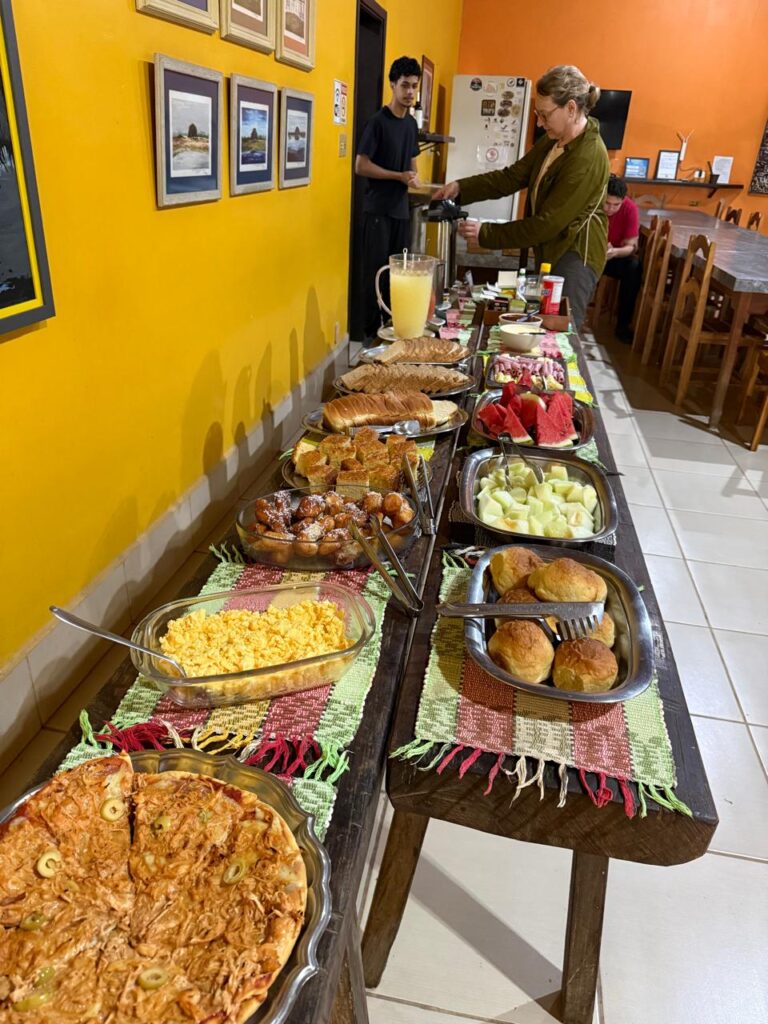
| Typical Services | Home-cooked meals, basic tours | Specialized guides, nature activities |
| Architecture | Regional style, adapted | Integrated with the environment, sustainable materials |
| Guest Experience | Cozy, cultural | Educational, immersive in nature |
| Estimated Price | Moderate to high | High (due to technologies and sustainable practices) |
Unmissable Activities When Staying at Pousadas and EcoLodges on the Transpantaneira Pantanal
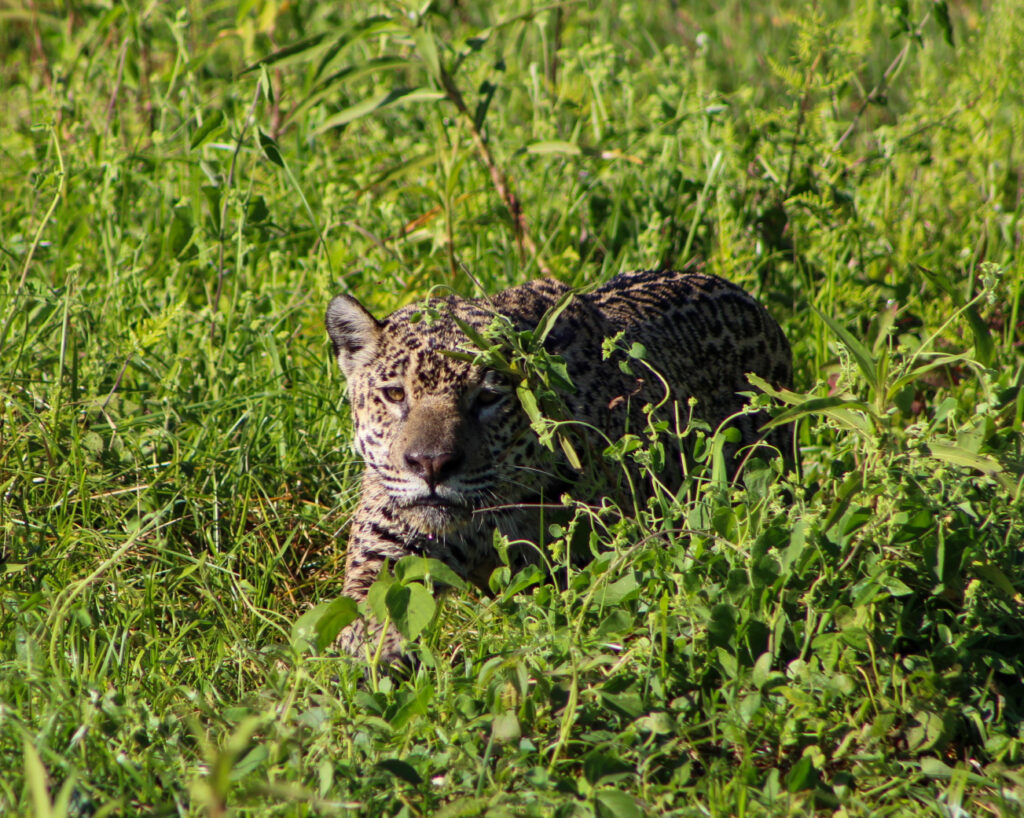
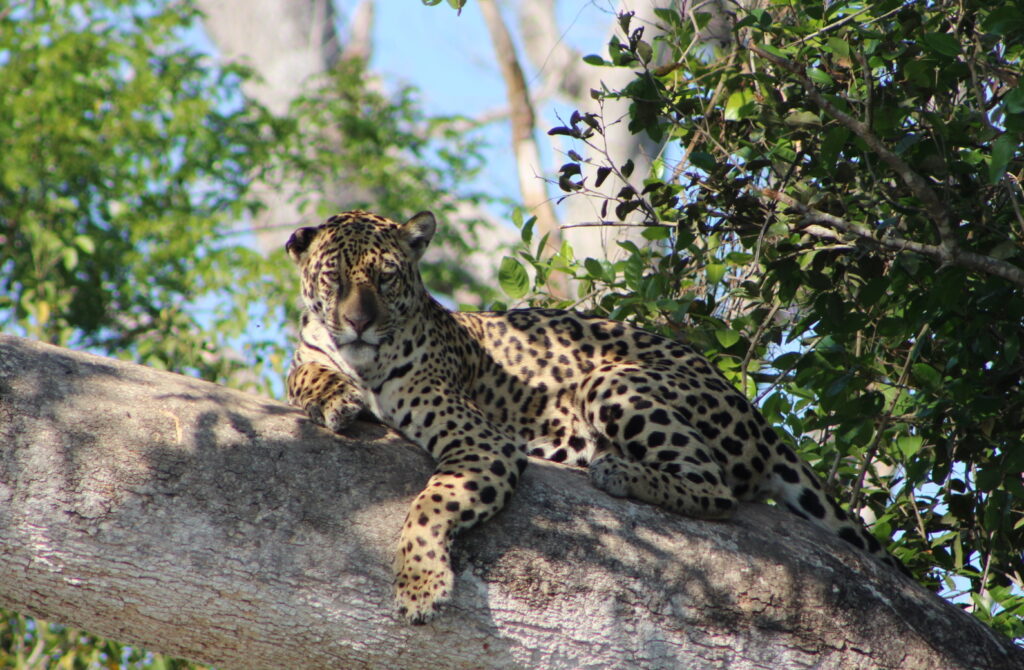
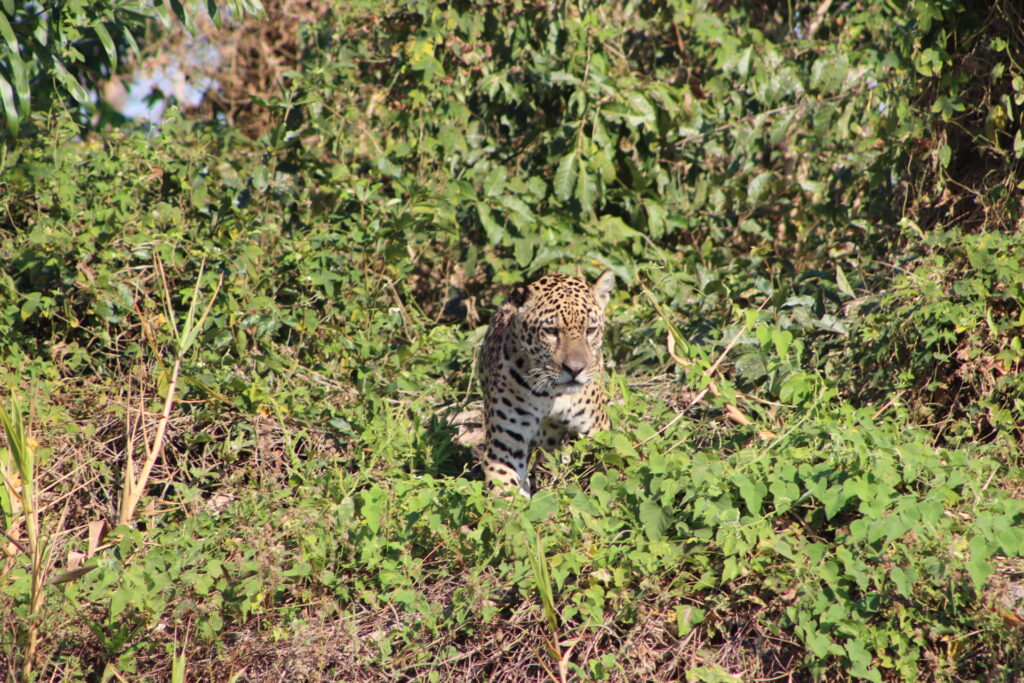
The privileged location of pousadas and eco-lodges along the Transpantaneira makes them the ideal starting point for exploring the vast biodiversity of the Pantanal. From these bases, guests have direct access to a variety of activities designed to immerse them in nature. 4×4 photographic safaris are one of the most popular experiences, allowing sightings of jaguars, capybaras, deer, and a multitude of birds. Guided walks along nature trails offer a different perspective, revealing local flora and more elusive fauna, while boat or canoe trips on rivers and lagoons provide opportunities to observe aquatic life and wading birds in their natural habitat.
In addition to wildlife viewing activities, many pousadas and eco-lodges offer cultural experiences, such as visits to local communities or craft demonstrations. Horseback riding through the fields is another traditional and charming way to explore the landscape, allowing for a more intimate approach to Pantanal rural life. Night tours, whether on foot or by vehicle, reveal a different side of the ecosystem, with nocturnal animals and the fascinating world of insects and amphibians under the moonlight.
To make the most of your stay, consider an itinerary that combines different types of exploration:
- 4×4 photographic safari.
- Guided walk along ecological trails.
- Boat or canoe trip on rivers and lagoons.
- Horseback riding through the Pantanal fields.
- Night tour for wildlife spotting.
- Bird watching from viewpoints or towers.
A possible suggested itinerary could be:
- Day 1: Arrival at the pousada/eco-lodge, lunch, and sunset photographic safari.
- Day 2: Morning boat excursion for aquatic wildlife and bird watching, followed by an afternoon guided walk.
- Day 3: Morning horseback ride and night tour after dinner.
- Day 4: Breakfast and departure, with a last chance for bird watching near the accommodation.
Tips for Choosing Your Ideal Pousada or EcoLodge on the Transpantaneira Pantanal
Selecting the perfect pousada or eco-lodge on the Transpantaneira Pantanal is crucial for a memorable experience. Consider the location: do you prefer to be close to a main access point or deeper in nature for more tranquility? Research the activities offered by each establishment; some specialize in bird watching, others in jaguar safaris. Read reviews from other travelers to get a clear idea of the quality of service, food, and the overall experience. Don’t forget to check what amenities they offer, especially if you are traveling during the rainy season, when access can be a significant factor.
Your budget will also play a key role. Pousadas and eco-lodges on the Transpantaneira Pantanal vary considerably in price. High-end eco-lodges often include all-inclusive packages with guided activities and gourmet meals, while simpler pousadas may offer more accessible rates. The season of your visit will also influence; the dry season (May to September) is ideal for seeing animals concentrated near water sources, but it is also the high and most expensive season. The rainy season (October to April) offers lush landscapes and fewer tourists, but some areas may be less accessible. Define your priorities: are you looking for luxury, authenticity, total immersion in nature, or a combination of everything?
Frequently Asked Questions about Pousadas and EcoLodges on the Transpantaneira Pantanal
Here we answer some of the most common questions to help you plan your stay at pousadas and eco-lodges on the Transpantaneira Pantanal.
What is the best time of year to stay at pousadas and eco-lodges on the Transpantaneira Pantanal?
The best time to visit depends on what you’re looking for. The dry season (May to September) is ideal for wildlife viewing, as animals congregate near remaining water bodies, and access to the Transpantaneira is easier. The rainy season (October to April) offers a greener, more lush landscape with fewer tourists, but some areas may be flooded and access more difficult.
What kind of wildlife can I expect to see from my pousada or eco-lodge on the Transpantaneira?
The Pantanal is famous for its abundant wildlife. From your accommodation or during organized tours, you are very likely to see capybaras, caimans, monkeys, marsh deer, tapirs, and an incredible variety of birds such as toucans, macaws, herons, and jabiru storks. Jaguar sightings are possible, especially in specific areas and with experienced guides.
Are pousadas and eco-lodges on the Transpantaneira safe for tourists?
Yes, pousadas and eco-lodges on the Transpantaneira Pantanal are generally very safe for tourists. Local tour operators are experienced in handling visitors and take precautions to ensure safety. It is always advisable to follow the guides’ instructions and respect the safety rules established by the accommodation.
What should I pack for my stay at pousadas and eco-lodges on the Transpantaneira Pantanal?
Pack light, quick-drying clothing in neutral colors to avoid scaring wildlife. Include long pants and long-sleeved shirts to protect yourself from the sun and insects. Don’t forget a good insect repellent, sunscreen, a hat, sunglasses, comfortable walking shoes (boots or sneakers), a raincoat (especially during the rainy season), and binoculars for better wildlife observation.