PT
PT  EN
EN  ES
ES 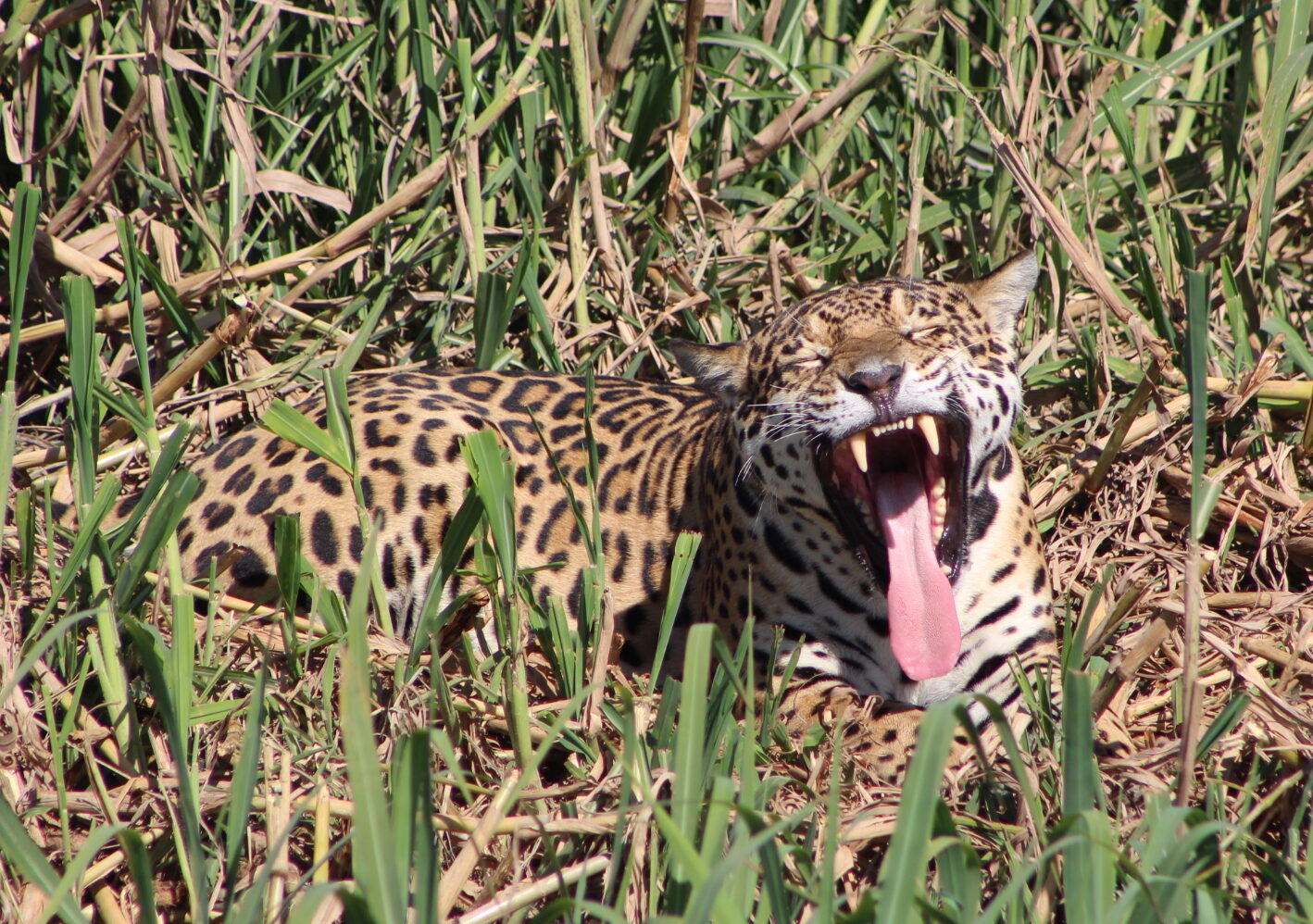
The Brazilian Pantanal, a vast wetland of unparalleled biodiversity, is globally recognized as one of the best places on the planet for wildlife observation. Among its countless wonders, the possibility of spotting the majestic jaguar (Panthera onca), the largest feline in the Americas, stands out. Porto Jofre, located in the heart of this region, has established itself as the epicenter of this experience, attracting photographers, naturalists, and adventure lovers from all over the world.
The Brazilian Pantanal, a vast wetland of unparalleled biodiversity, is globally recognized as one of the best places on the planet for wildlife observation. Among its countless wonders, the possibility of spotting the majestic jaguar (Panthera onca), the largest feline in the Americas, stands out. Porto Jofre, located in the heart of this region, has established itself as the epicenter of this experience, attracting photographers, naturalists, and adventure lovers from all over the world.
The opportunity to contemplate this elusive predator in its natural habitat is a privilege that few destinations can offer with such probability. The geographical configuration and unique ecosystem of Porto Jofre create the perfect conditions for jaguars to thrive, and for visitors to have the chance to witness their imposing presence. Prepare yourself for an adventure that combines the thrill of the search with the serenity of an extraordinary landscape.
Jaguar Watching in Porto Jofre: An Unforgettable Adventure
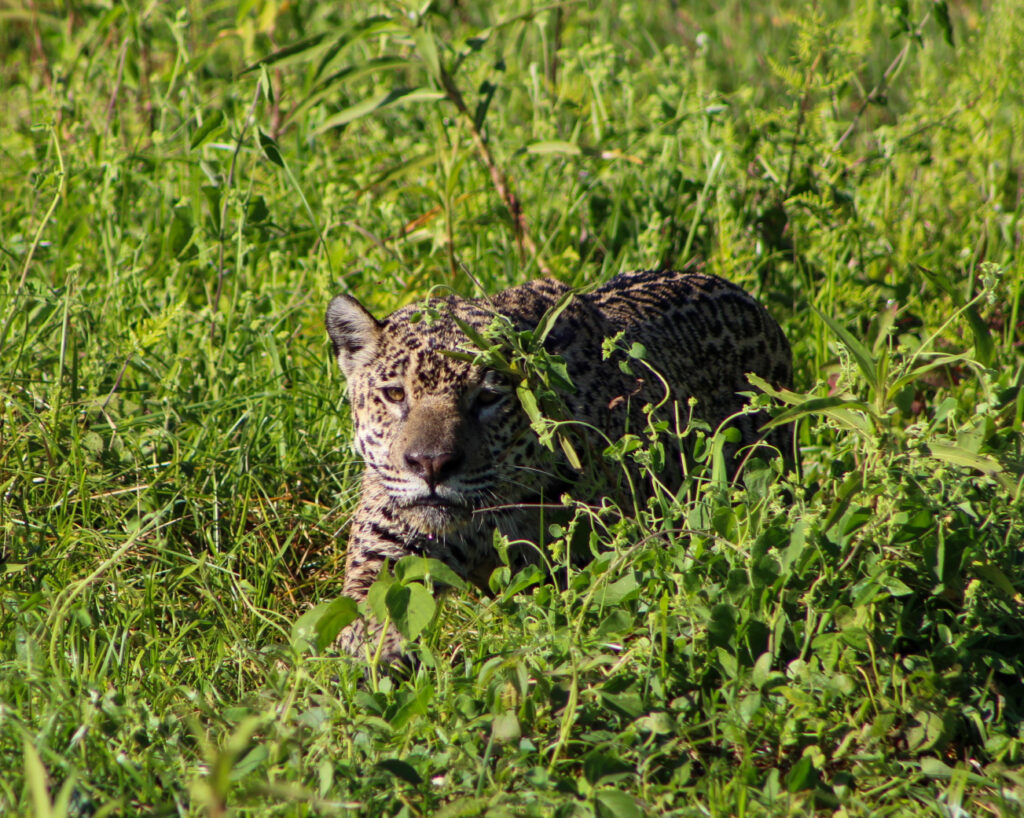
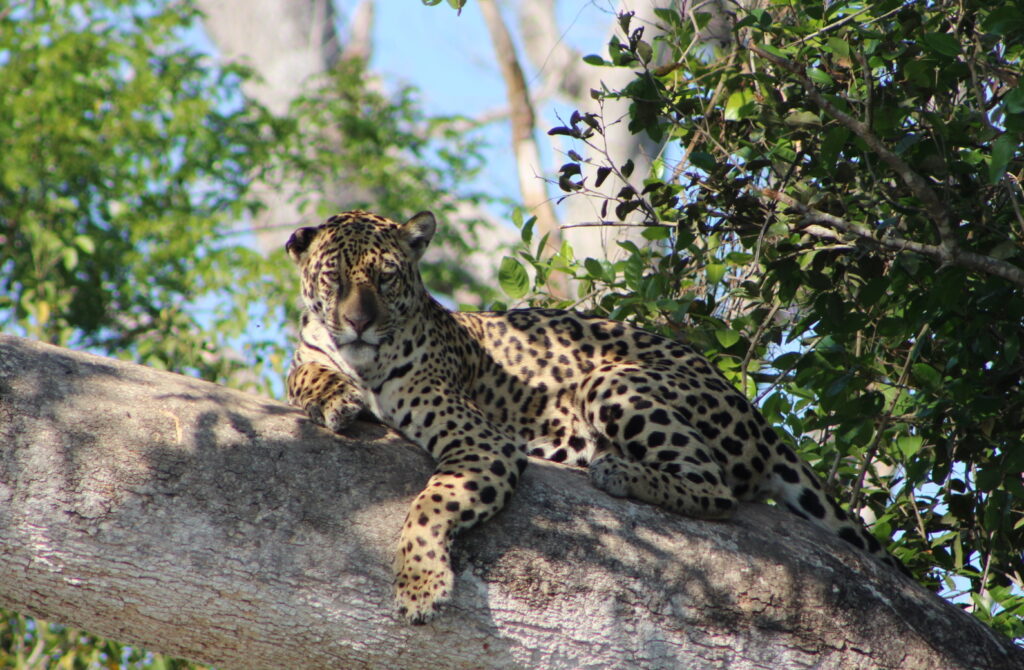
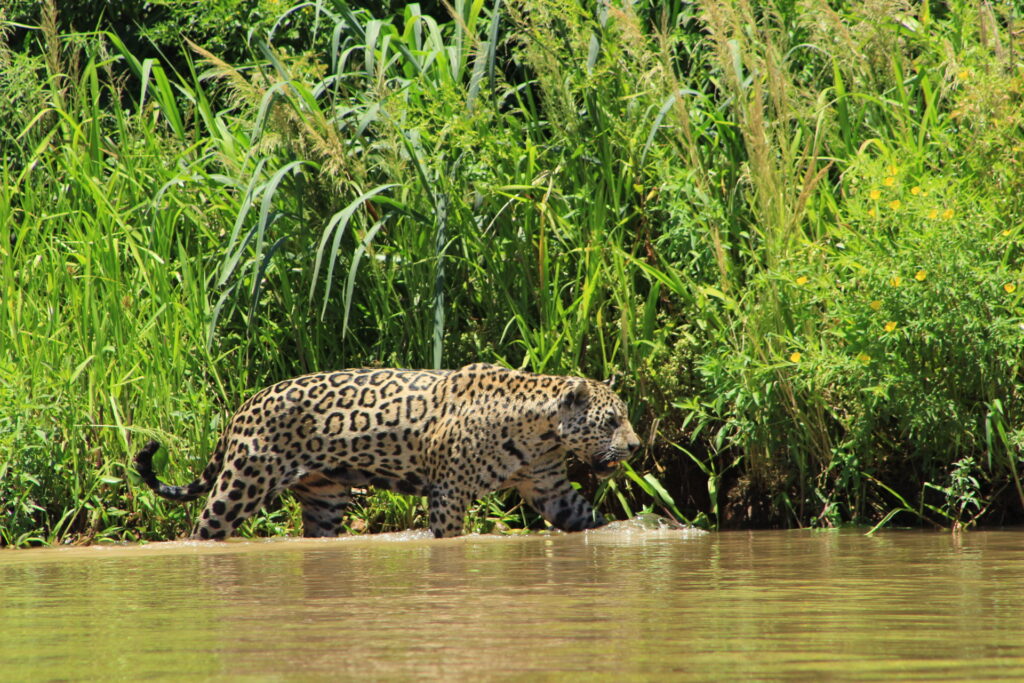
Porto Jofre, located in the state of Mato Grosso, Brazil, is the ideal starting point for a jaguar-watching expedition. The banks of the Cuiabá River and its tributaries become the perfect setting for spotting these magnificent felines, which often approach the shores in search of food or simply to enjoy the sun. The experience goes beyond simple observation; it is a deep immersion into one of the richest ecosystems on the planet, where every bend in the river can reveal a new natural wonder.
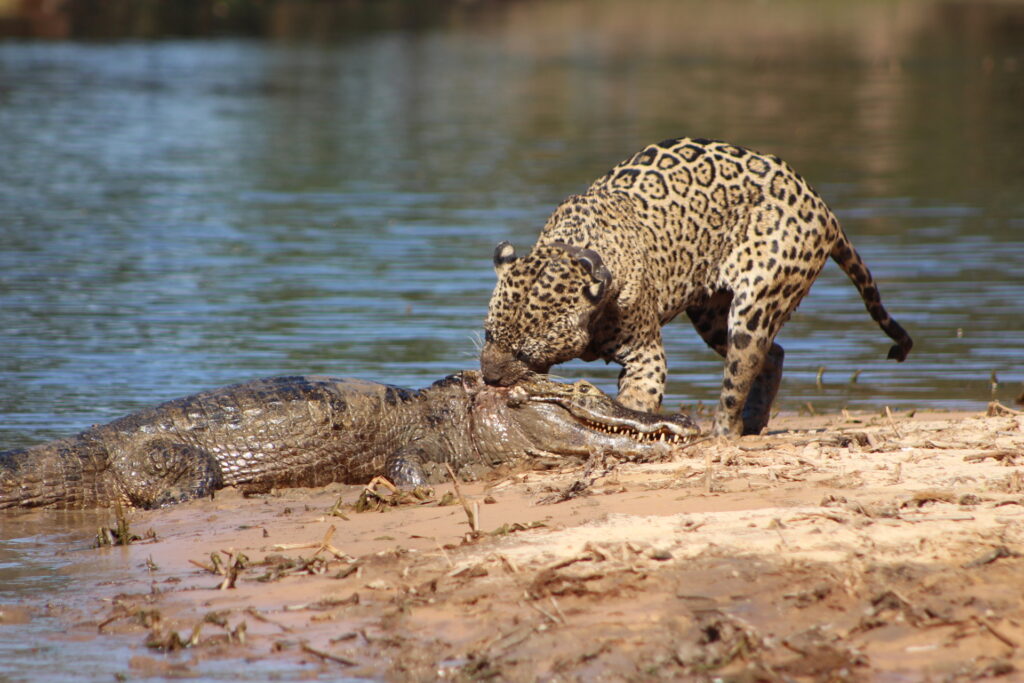
The high concentration of jaguars in this area is largely due to the abundance of prey, such as capybaras and caimans, and the ease with which jaguars can move along the rivers. Boat trips, often in small authorized vessels, allow visitors to approach at a safe distance, offering spectacular photographic opportunities and moments of pure admiration. The tranquility of the environment, broken only by the sounds of nature, makes this adventure a truly unforgettable and moving experience.
The Best Time for Jaguar Watching in Porto Jofre
Determining the best time to visit Porto Jofre for jaguar sightings involves considering water level fluctuations and animal behavior patterns. Generally, the dry season, which runs from June to October, is considered the most favorable. During these months, the water level drops significantly, exposing the riverbanks and concentrating wildlife in more accessible areas. Jaguars, in particular, are easier to spot as they hunt or cool off near the water.
The rainy season, from November to May, presents a different landscape. The rivers expand, creating a lush and green Pantanal, but dense vegetation and high water levels can make it difficult to spot animals. However, this season also has its charms, such as the possibility of seeing jaguars hunting in flooded areas or the blooming of flora. The choice between the two seasons will depend on the traveler’s personal preferences regarding landscape and type of sighting.
- Dry Season (June – October):
- Rainy Season (November – May):
Navigating the Pantanal: Routes and Experiences for Jaguar Sightings
The main way to explore Porto Jofre and its surroundings in search of jaguars is through boat tours along the Cuiabá, Três Irmãos, Negro, and São Lourenço rivers. These river routes offer privileged access to areas where jaguars are most frequently sighted. The boats, usually piloted by experienced guides, navigate slowly through the channels, allowing passengers to observe wildlife on the banks and in the water. Patience is key, as sightings can occur at any time.
In addition to boat trips, there are other activities that enrich the Pantanal experience. Guided walks along designated trails can offer opportunities to observe birds, amphibians, and terrestrial mammals. Photo safaris are a popular modality, focused on capturing high-quality images of jaguars and diverse wildlife. Some inns and lodges also offer horseback riding or canoeing trips, providing different perspectives of the ecosystem and increasing the chances of wildlife encounters.
- Boat trips along the main rivers and tributaries.
- Specialized photo safaris.
- Bird and other mammal watching on trails.
- Canoe trips for a more intimate experience.
- Visits to strategic viewpoints for sightings.
| Tour/Excursion | Typical Duration | Includes | Main Focus | |
|---|---|---|---|---|
| Classic River Safari | 4-6 hours | Guide, boat, water | Jaguar and riverside wildlife observation | |
| Intensive Photo Safari | 8-10 hours (full day) | Specialized guide, boat, lunch | Maximize jaguar photography opportunities | |
| Multi-Day Expedition | 3-5 days | Accommodation, meals, guides, all activities | Complete immersion in the Pantanal, multiple sightings | |
| Bird and Wildlife Watching Tour | 3-4 hours | Guide, boat, binoculars (sometimes) | Diversity of birds, mammals, and reptiles | |
| Canoe Trip through Wetlands | 2-3 hours | Guide, canoe | Silent exploration of less accessible areas |
Essential Tips for Successful and Responsible Jaguar Watching
To maximize your chances of a successful sighting and ensure a wildlife-friendly experience, preparation is key. Invest in quality equipment: a camera with a good zoom lens is essential if you want to capture memorable images, and binoculars will help you spot animals at a distance. For clothing, opt for light, neutral-colored, quick-drying fabrics that protect you from the sun and insects. Don’t forget a hat, sunglasses, and sunscreen.
Behavior during observation is crucial. Remain calm and quiet when you see an animal, especially a jaguar. Avoid sudden movements, loud noises, or using flash, as this can scare them or alter their natural behavior. Always follow your guide’s instructions; they know the dynamics of the place and how to interact safely and ethically. Remember that you are in the animals’ home, and your presence should be as unobtrusive as possible. The goal is to observe, not to disturb.
Observation ethics are a fundamental pillar. Never try to feed the animals or get too close. Respect the safety distances recommended by the guides. If you see a jaguar, enjoy the moment with respect, allowing the animal to feel comfortable and safe. Photography is an important part of the experience for many, but it should not take precedence over the animal’s well-being. Be a responsible visitor, minimizing your environmental impact and contributing to the conservation of this incredible ecosystem and its inhabitants.
Frequently Asked Questions about Jaguar Watching in Porto Jofre
Planning a trip to Porto Jofre for jaguar watching can raise various questions. Here, we address some of the most common inquiries to help you prepare for your adventure and make the most of your visit to this natural paradise.
What is the probability of seeing a jaguar in Porto Jofre?
Porto Jofre is world-renowned for having one of the highest concentrations of jaguars on the planet, which translates into a high probability of sightings, especially during the dry season. While it cannot be guaranteed 100% due to the wild nature of the animals, the statistics are very encouraging. Most visitors who take multi-day tours are fortunate enough to see at least one jaguar, and many achieve multiple sightings.
The key to increasing your chances lies in choosing the right time of year, hiring experienced guides, and being patient. Guides know the jaguars’ habits, their preferred spots, and the best times to find them. Persistence and a willingness to spend time on the river observing are richly rewarded in this destination.
What equipment is essential for jaguar watching?
For an optimal experience, having the right equipment is essential. A camera with a good telephoto lens (ideally 300mm or more) will allow you to capture impressive images without disturbing the animal. Good quality binoculars (8×42 or 10×42) are essential for general wildlife observation and for spotting animals from afar. Comfortable, lightweight, neutral-colored clothing that protects you from the sun and mosquitoes is vital.
Don’t forget a wide-brimmed hat, sunglasses, high-spectrum sunscreen, and insect repellent. A reusable water bottle is important for staying hydrated, and a small backpack to carry your belongings. If you plan to do some hiking, comfortable and sturdy footwear is recommended. Guides usually provide information on the specific equipment needed for each type of tour.
Is it safe to travel to Porto Jofre for jaguar watching?
Yes, traveling to Porto Jofre for jaguar watching is generally safe, provided you take appropriate precautions and follow the recommendations of guides and local authorities. Tourist operations are well-established and prioritize visitor safety. Boat trips are conducted in safe vessels with experienced captains who know the river and its currents.
Regarding wildlife interaction, the key is to maintain a safe distance and not attempt to approach jaguars or other wild animals. Guides are trained to handle these situations and ensure that both visitors and animals remain safe. It is important to pay attention to instructions and never act on your own in wild environments.
What other animals can be seen besides jaguars in Porto Jofre?
The Pantanal is a sanctuary of biodiversity, and Porto Jofre offers the opportunity to observe an incredible variety of wildlife beyond jaguars. It is common to spot capybaras, the world’s largest rodents, often in family groups. Yacare caimans are ubiquitous, resting on the banks or swimming in the rivers. Howler monkeys and capuchin monkeys move through the trees, and sloths can be seen hanging from branches.
The birdlife is spectacular: toucans, macaws (red and green, blue and yellow), herons, jabiru storks, kingfishers, and harpy eagles are just some of the hundreds of bird species that inhabit the region. Pink river dolphins and tucuxi dolphins also navigate the waters of the Paraguay River and its tributaries. The richness of life is astonishing, and every outing in the Pantanal promises fascinating discoveries.