 PT
 EN
 ES

The choice between the Northern Pantanal and the Amazon, is a decision that can make a difference in the travel experience. Both destinations are sanctuaries of incomparable biodiversity, but they offer significantly different landscapes, experiences, and wildlife viewing opportunities. Understanding these differences is crucial to align the traveler's expectations with the reality of each ecosystem.
The choice between the Northern Pantanal and the Amazon, is a decision that can make a difference in the travel experience. Both destinations are sanctuaries of incomparable biodiversity, but they offer significantly different landscapes, experiences, and wildlife viewing opportunities. Understanding these differences is crucial to align the traveler’s expectations with the reality of each ecosystem.
Deciding between the Northern Pantanal or the Amazon, which is best for your adventure? This question resonates in the minds of many explorers seeking to immerse themselves in the wild nature of South America. Both offer unforgettable experiences, but they differ in their essence. The Northern Pantanal, the world’s largest wetland, is known for its vast flooded plains and exceptional accessibility for wildlife observation. On the other hand, the Amazon, the planet’s largest rainforest, captivates with its dense vegetation, mystery, and immense biological diversity. The right choice will depend on your priorities: are you looking for animal sightings in a more open environment, or do you prefer immersion in the lushness and mystery of the deep jungle?
Biodiversity and Wildlife: The Natural Riches of the Northern Pantanal or Amazonia
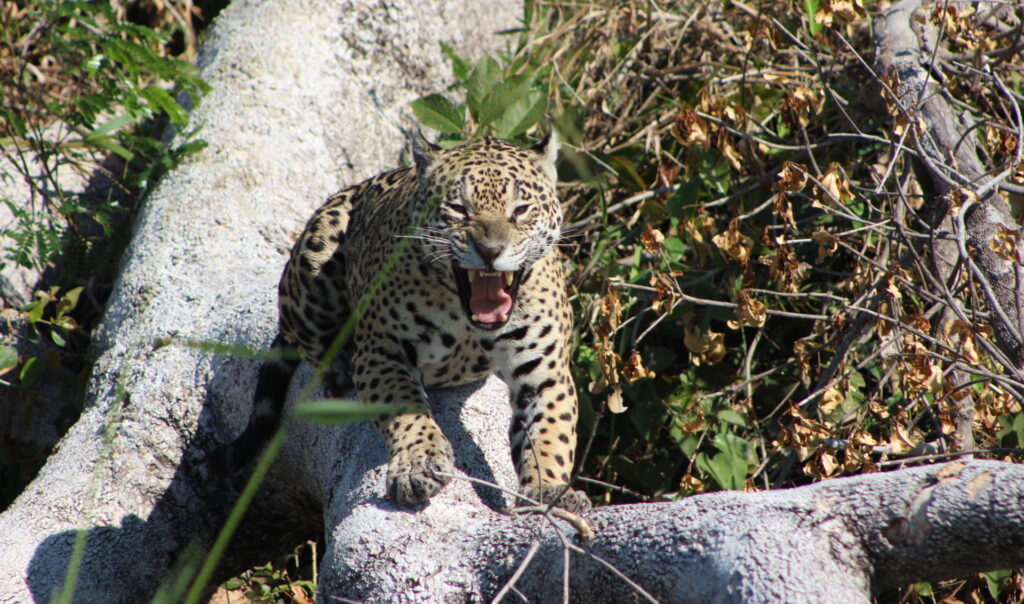
Biodiversity is the heart of any nature trip, and both the Northern Pantanal and the Amazon teem with life. The Northern Pantanal is a paradise for wildlife lovers, especially for those who enjoy spotting large mammals and birds. Its open landscape facilitates the observation of jaguars, capybaras, caimans, anacondas, and an astonishing variety of water birds and raptors. The concentration of animal life at certain times of the year is simply spectacular, offering unique opportunities to photograph species in their natural habitat with relative ease. The experience here is one of direct and often close connection with wildlife.
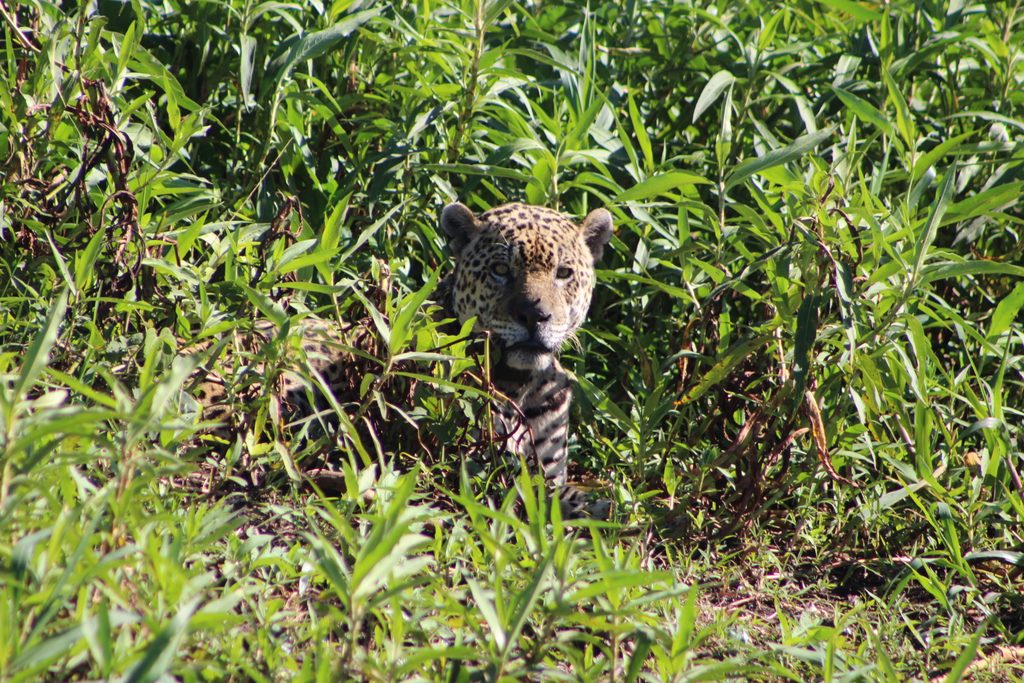
In contrast, the Amazon hosts even greater biodiversity in terms of species numbers, although many of them are more elusive and difficult to observe due to the dense vegetation cover. Here you will find an incredible variety of primates, sloths, river dolphins, tapirs, and an almost infinite number of insects, amphibians, and reptiles, as well as thousands of bird species. The Amazon experience is more about deep immersion in a complex and vibrant ecosystem, where life manifests in countless forms, often hidden among the vegetation or in the waters of its winding rivers. It is a place where the grandeur of nature is felt in its fullest expression.
While the Northern Pantanal excels in the ease of spotting large animals due to its open plains, the Amazon offers a much greater diversity of species, although observing them requires more patience and often expert guides. Both destinations are crucial for conservation and represent invaluable natural treasures. When deciding between the Northern Pantanal or the Amazon, consider what type of wildlife encounter appeals to you most: direct and concentrated visibility or the exploration of a universe of species in a denser, more mysterious jungle environment.
Experiences and Activities: What do the Northern Pantanal or Amazon offer?
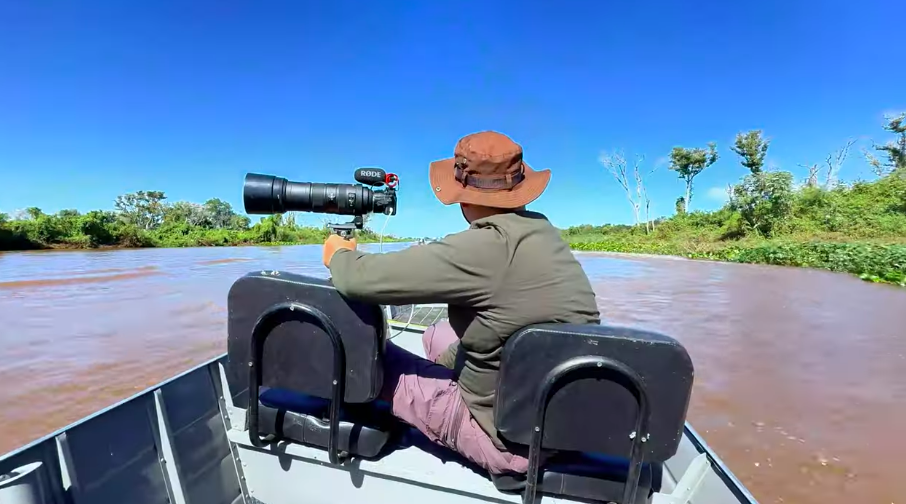
The Northern Pantanal is distinguished by its ecotourism activities focused on wildlife viewing. Photo safaris in 4×4 vehicles or on horseback are the norm, allowing exploration of the vast plains and close encounters with animals. Boat trips along the rivers and lagoons are essential for observing aquatic life, such as caimans and giant otters, and for accessing remote areas. Bird watching is a primary activity, given the abundance of species. Hiking is possible, but often limited to specific trails to avoid dangerous encounters with wildlife or dense vegetation.
The Amazon, on the other hand, offers a range of experiences more focused on jungle exploration. Motorized or paddle canoe trips along the rivers and tributaries are the main way to get around and observe wildlife along the banks, including pink river dolphins and monkeys. Jungle trekking, accompanied by expert local guides, allows you to venture into the heart of the forest, learning about medicinal plants, insects, and animal tracks. Nights in the jungle offer unique opportunities to listen to nocturnal sounds and search for creatures like caimans and frogs. Visits to indigenous communities to learn about their culture are also common.
What do the Northern Pantanal or Amazon offer?
In summary, while the Northern Pantanal offers a more accessible safari experience focused on direct animal observation in an open landscape, the Amazon proposes a deeper, more adventurous immersion into the rainforest ecosystem, with a focus on exploration, learning, and connection with a more complex and hidden natural world. Both destinations are ideal for those seeking an authentic adventure and intimate contact with nature, but the choice between the Northern Pantanal or the Amazon will depend on the type of experience preferred.
| Feature | Northern Pantanal | Amazon |
|---|---|---|
| Ecosystem Type | World’s largest tropical wetland | World’s largest tropical rainforest |
| Predominant Landscape | Flooded plains, savannas, riparian forests | Dense jungle, mighty rivers, forest canopy |
| Ease of Wildlife Spotting | High (especially mammals and birds) | Moderate to Low (requires expert guides, more elusive) |
| Iconic Species | Jaguar, capybara, caiman, toucan, macaw, giant otter | Monkey, sloth, pink river dolphin, anaconda, macaw, jaguar (harder to see) |
| Main Activities | 4×4/horse safaris, boat trips, bird watching | Canoe trips, jungle trekking, flora and fauna observation, fishing |
| Best Time (Wildlife Viewing) | Dry season (May-October) | Varies, but the dry season (approx. June-November) can facilitate access and sightings in some areas |
Climate and Best Time to Visit: When to visit the Northern Pantanal or Amazon?
The climate plays a fundamental role in the experience of visiting the Northern Pantanal or the Amazon. In The Northern Pantanal has two well-defined seasons: the wet season (approximately November to April), when rains flood the plains, creating an aquatic landscape ideal for aquatic wildlife and making navigation the primary mode of transport, and the dry season (May to October), when the waters recede, concentrating animals in remaining water bodies and facilitating land access for safaris. The dry season is generally considered the best time for wildlife viewing in the Northern Pantanal.
The Amazon, on the other hand, has a warm and humid tropical climate year-round, with a more intense rainy season (generally December to May) and a less rainy season. During the rainy season, the rivers rise, allowing exploration of deeper jungle areas by canoe, and the vegetation is lush. In the dry season, river levels drop, exposing sandy beaches and making some trails more accessible, as well as concentrating animals near water sources. The choice of the best time to visit the Amazon will depend on the traveler’s preferences regarding water levels, access, and desired activities.

Logistics and Accessibility: How to get to the Northern Pantanal or Amazon
Getting to the Northern Pantanal or the Amazon involves logistical planning that varies depending on the starting point. For the Northern Pantanal, common access points include Cuiabá (MT) and Campo Grande (MS) in Brazil, from where transfers to inns and lodges are organized. Transportation within the Pantanal is usually via 4×4 vehicles, boats, or small planes, depending on the location and type of tour. Accessibility to the Northern Pantanal is generally considered more direct for wildlife viewing compared to the Amazon.
The Amazon, being a vast territory, has several main entry points, with Manaus (AM) and Belém (PA) in Brazil being the best known, in addition to cities in Peru, Ecuador, and Colombia. From these cities, lodges and communities are accessed via internal flights, boat trips on the Amazon River and its tributaries, or land transport to nearby areas. Logistics in the Amazon can be more complex and require more travel time, given the extent and nature of its geography, but the adventure of navigating its rivers is an intrinsic part of the experience.
Frequently Asked Questions: Northern Pantanal or Amazon, which is best for you?
When considering the Northern Pantanal or the Amazon, it’s natural to have questions about the key differences to make the best decision. Here we address some of the most common concerns to help you choose the ideal destination for your next nature adventure.
Is it easier to see animals in the Northern Pantanal or the Amazon?
Generally, it is easier to see a larger quantity and variety of large animals in the Northern Pantanal, especially during the dry season. Its open wetland and savanna landscape allows for superior visibility for spotting species like jaguars, capybaras, caimans, and a large number of birds. In the Amazon, the dense vegetation makes animals more elusive, requiring expert guides and a lot of patience for sightings, although the diversity of species is immensely greater.
Which destination is more suitable for family ecotourism?
Both destinations can be suitable for family ecotourism, but with different considerations. The Northern Pantanal, with its more accessible safaris and high probability of wildlife sightings, can be more rewarding for families with young children or those seeking a less physically demanding experience. The Amazon offers a more immersive and educational experience, ideal for families with teenagers or older children who are interested in learning about the jungle, its ecosystems, and cultures, and who are prepared for a wilder environment.
What is the main difference in landscape between the Northern Pantanal and the Amazon?
The landscape difference is radical. The Northern Pantanal is characterized as the world’s largest wetland, with vast plains that flood seasonally, dotted with savannas, open woodlands, and rivers. It is a more open and flat landscape. The Amazon, on the other hand, is a dense and lush tropical rainforest, dominated by impenetrable vegetation, giant trees, and an intricate network of mighty, dark rivers. It is an environment of deep and mysterious jungle.
What should I pack for a trip to the Northern Pantanal or the Amazon?
For both destinations, it is essential to pack light, quick-drying clothing in neutral colors (avoid whites and bright colors that attract insects). Long pants and long-sleeved shirts are recommended for sun and insect protection. A good insect repellent, sunscreen, hat, sunglasses, comfortable walking shoes (hiking boots or sneakers), sandals, a light raincoat, and a basic first-aid kit are essential. For the Amazon, consider a swimsuit and a headlamp. For the Northern Pantanal, binoculars are highly recommended for wildlife viewing.