 PT
 EN
 ES

Explore the rich biodiversity of the Northern Pantanal. Discover the importance of ethics in wildlife observation.
The Northern Pantanal, in South America. Its ecosystem, characterized by extensive floodplains and biodiversity, attracts visitors to witness the majesty of nature in its purest state. The experience of exploring this natural paradise carries great responsibility.
The growing popularity of ecotourism in the Northern Pantanal has highlighted the crucial importance of adopting responsible practices. Observing wildlife should not only be a visual pleasure but also an exercise in respect and conservation. This approach ensures that future generations can continue to marvel at the natural richness that this biome offers, while minimizing human impact on its delicate balance.
The Richness of Wildlife in the Northern Pantanal for Observation
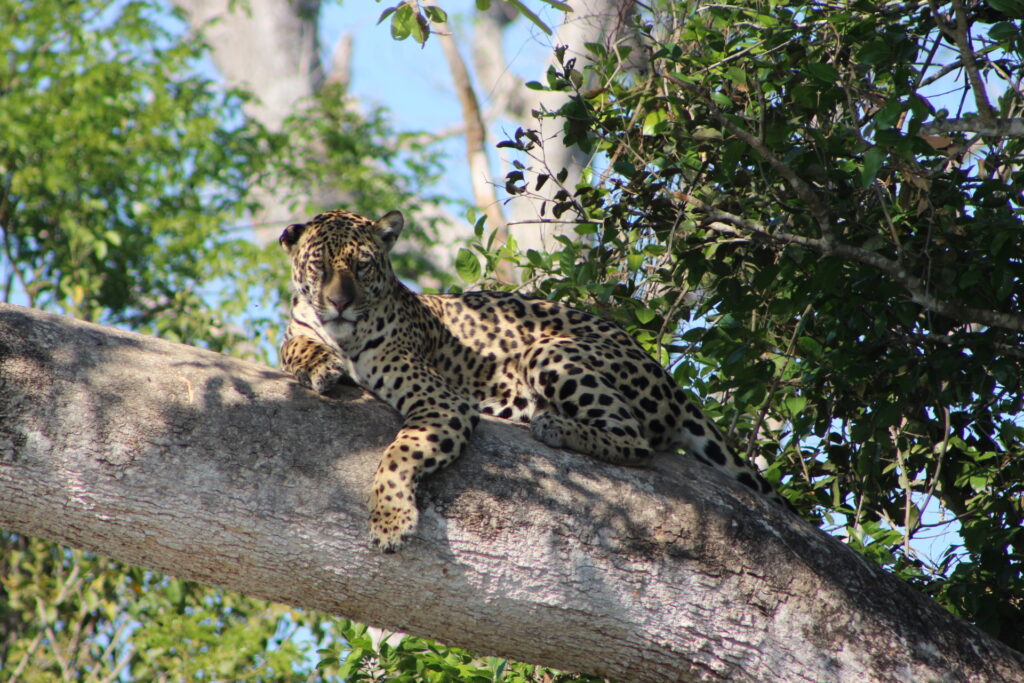
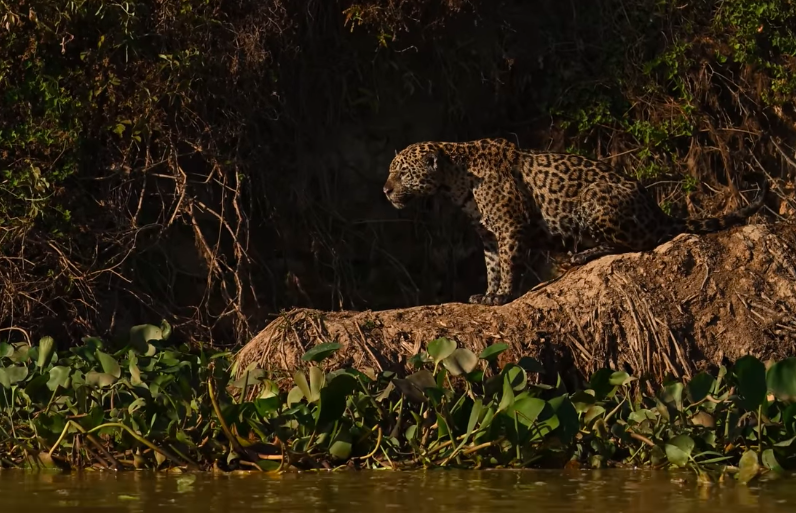
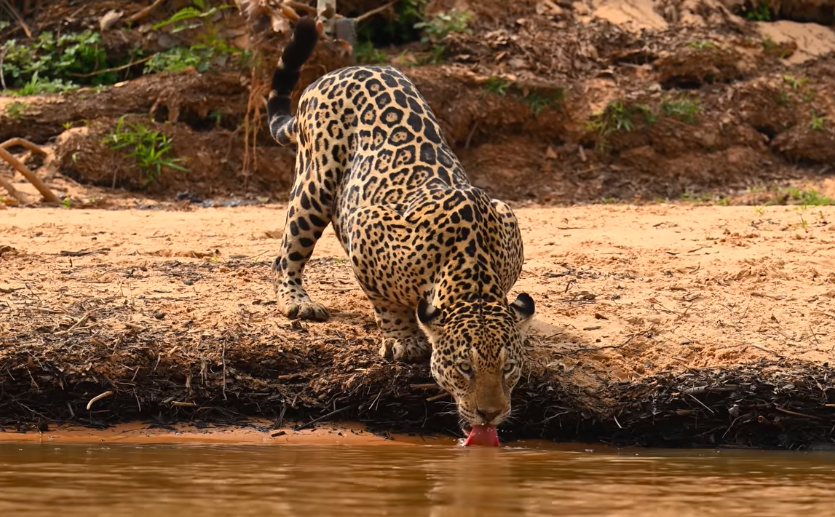
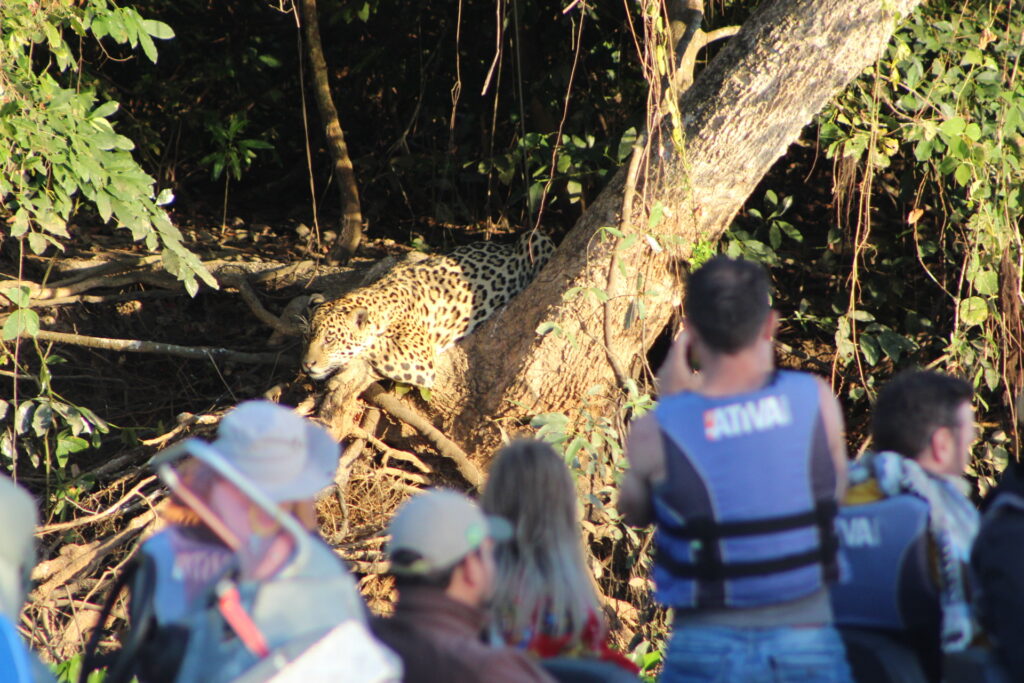
The Northern Pantanal is a paradise for wildlife lovers, home to a breathtaking diversity of species. The imposing jaguar, the largest feline in America, is one of the undisputed stars, although spotting one requires patience and luck, with areas near rivers and grasslands being the most conducive. The capybara, the world’s largest rodent, is a constant presence, often seen in family groups grazing peacefully near bodies of water. Caimans, with their protective scales, bask in the sun on the riverbanks, creating a prehistoric spectacle.
The Pantanal’s birdlife is equally spectacular. From the vibrant hyacinth macaw to the majestic toucan, and a myriad of herons, spoonbills, and other water birds, the sky and trees are teeming with life. The best times for observation are usually dawn and dusk, when the animals are most active. Observation areas such as Porto Jofre, Miranda, and Aquidauana are known for their high wildlife density and the ease of spotting various species in their natural habitat.
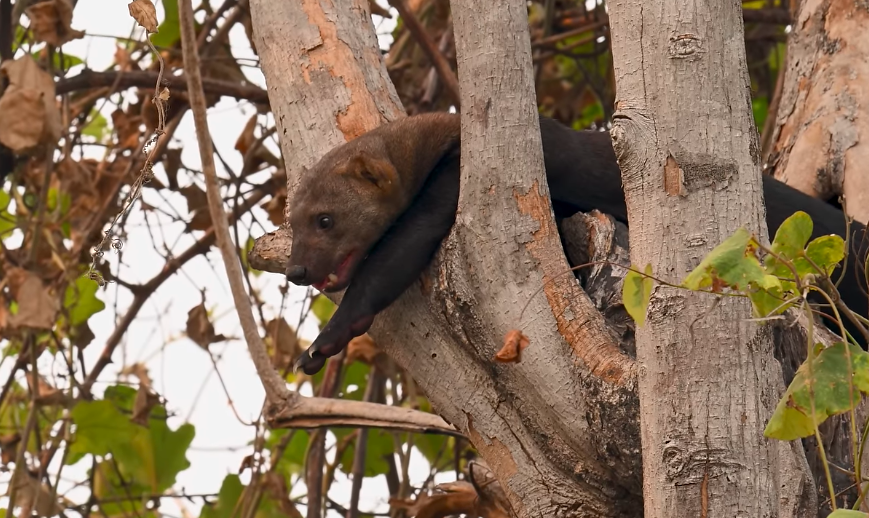
Other notable species include the marsh deer, collared peccary, and various monkeys. The experience of observing these animals in their natural environment, whether from a canoe navigating the rivers or from a safari vehicle, is unforgettable. It is essential to remember that we are visitors in their home and that our actions must prioritize their well-being and the preservation of their ecosystem.
Fundamental Ethical Principles for Animal Observation
Ethical wildlife observation in the Northern Pantanal is based on deep respect for the animals and their environment. The primary principle is non-interference: do not feed the animals, as this alters their natural behaviors and can cause long-term harm, and always maintain a prudent distance to avoid causing them stress or fear. It is vital to remember that we are in their habitat and must act as silent observers, minimizing our presence.
Furthermore, one must avoid disturbing the animals at all costs, especially during their periods of rest, feeding, or breeding. The use of camera flashes is strictly prohibited, as it can disorient and frighten many species. Following these guidelines not only ensures a more authentic and rewarding experience for the observer but, more importantly, protects the integrity and well-being of the wildlife. Good practices include:
- Maintain a safe and respectful distance.
- Do not feed or leave food scraps.
- Avoid loud noises and sudden movements.
- Do not use flash when taking photographs.
- Stay on designated trails or within vehicles.
- Do not attempt to touch or corner animals.
- Respect the natural habitat; do not collect plants or alter the environment.
- Always follow the instructions of local guides.
| Responsible Practices | Irresponsible Practices |
|---|---|
| Maintain a safe distance and observe with binoculars. | Getting too close for a photo, invading the animal’s space. |
| Stay in designated vehicles or on trails to minimize impact. | Leaving trails or vehicles to follow an animal. |
| Do not feed animals to preserve their natural habits. | Offering food to animals, altering their diet and behavior. |
| Avoid loud noises and the use of flash. | Shouting, making loud noises, or using flash, scaring wildlife. |
| Hire local guides who know the best practices. | Exploring without a guide, increasing the risk of disturbing animals. |
Benefits of Responsible Tourism for the Conservation of the Northern Pantanal
Responsible tourism in the Northern Pantanal transcends a mere visit; it becomes a fundamental pillar for the conservation of this unique ecosystem. By choosing tour operators committed to sustainable practices and by following ethical observation guidelines, visitors directly contribute to the protection of wildlife and its habitat. The revenue generated by this type of tourism is vital for funding conservation programs, scientific research, and efforts to combat poaching and deforestation, ensuring the survival of emblematic species like the jaguar and the macaw.
In addition to its ecological impact, responsible tourism is an engine for economic development for local communities. It provides dignified employment for guides, accommodation staff, artisans, and service providers, diversifying the regional economy and reducing dependence on harmful extractive activities. When local communities see the economic and social value of conserving their natural environment, they become the most effective guardians of the Pantanal, promoting a virtuous cycle of conservation and prosperity.
The tangible benefits of responsible tourism include:
- Direct funding for conservation projects and species monitoring.
- Job creation and improved quality of life in local communities.
- Environmental awareness and education for visitors and residents.
- Support for scientific research to better understand and protect the ecosystem.
- Reduced pressure on natural resources by offering sustainable economic alternatives.
- Strengthening of cultural identity and local pride associated with natural wealth.
Frequently Asked Questions about Wildlife Observation and Ethics in the Northern Pantanal
Below are some of the most common questions that arise when planning a visit to the Northern Pantanal with a focus on ethical wildlife observation. These answers aim to guide travelers so that their experience is enriching, safe, and above all, respectful of the environment.
What is the best time of year for wildlife observation in the Northern Pantanal?
The best time for wildlife observation in the Northern Pantanal generally coincides with the dry season, which runs from May to September. During these months, water levels recede, concentrating wildlife around the remaining water bodies, making them easier to spot. Animals seek water and food, making them more visible in specific areas. The wet season (October to April), while offering lush scenery and being ideal for birdwatching, can make access to certain areas difficult and disperse wildlife.
However, each season offers unique opportunities. The dry season is ideal for seeing mammals like jaguars and capybaras, while the wet season is fantastic for birdlife and appreciating the vastness of the flooded landscape. The choice will depend on the species you are most interested in observing and the type of landscape experience you seek.
What equipment is essential for an ethical wildlife observation experience?
For an ethical and rewarding wildlife observation experience in the Northern Pantanal, having the right equipment is essential. Good binoculars are indispensable for observing animals from a distance without disturbing them. Cameras with zoom capabilities are also highly recommended for capturing images without getting too close. Clothing should be light, breathable, in neutral colors to blend with the environment, and long-sleeved to protect against the sun and insects.
In addition to optical and clothing gear, hiring experienced local guides is crucial. They not only know the best places and times to spot wildlife but are also experts in animal behavior and ethical observation practices, ensuring a safe and respectful experience for everyone. A hat, sunscreen, and insect repellent complete the basic equipment.
How can I ensure my visit contributes positively to conservation?
To ensure your visit to the Northern Pantanal contributes positively to conservation, the first step is to choose tour operators and accommodations that demonstrate a strong commitment to sustainability and ethical practices. Look for certified companies or those with clear environmental and social responsibility policies. Always follow the instructions of local guides; they are trained to minimize visitor impact and are aware of local regulations.
Avoid participating in activities that could be harmful to wildlife or their habitat, such as buying souvenirs made from animal parts or feeding animals. Be informed about protected areas and respect their regulations. Your behavior as a conscious tourist is a powerful tool for the preservation of this valuable ecosystem.
What should I do if I find an injured or endangered animal?
If you encounter an injured or seemingly endangered animal in the Northern Pantanal, the most important thing is to remain calm and not intervene directly. Approaching the animal could cause it further stress or even put you at risk. The correct action is to observe the situation from a safe distance and immediately contact your local guide or the national park authorities or rangers. They have the knowledge and equipment necessary to assess the situation and act professionally and safely.
Provide as many details as possible about the animal’s location and condition. If possible, take photos or videos from afar to document the situation. Your responsible action, by notifying experts, can be crucial for the animal’s survival and for gathering important data for conservation.