 PT
 EN
 ES

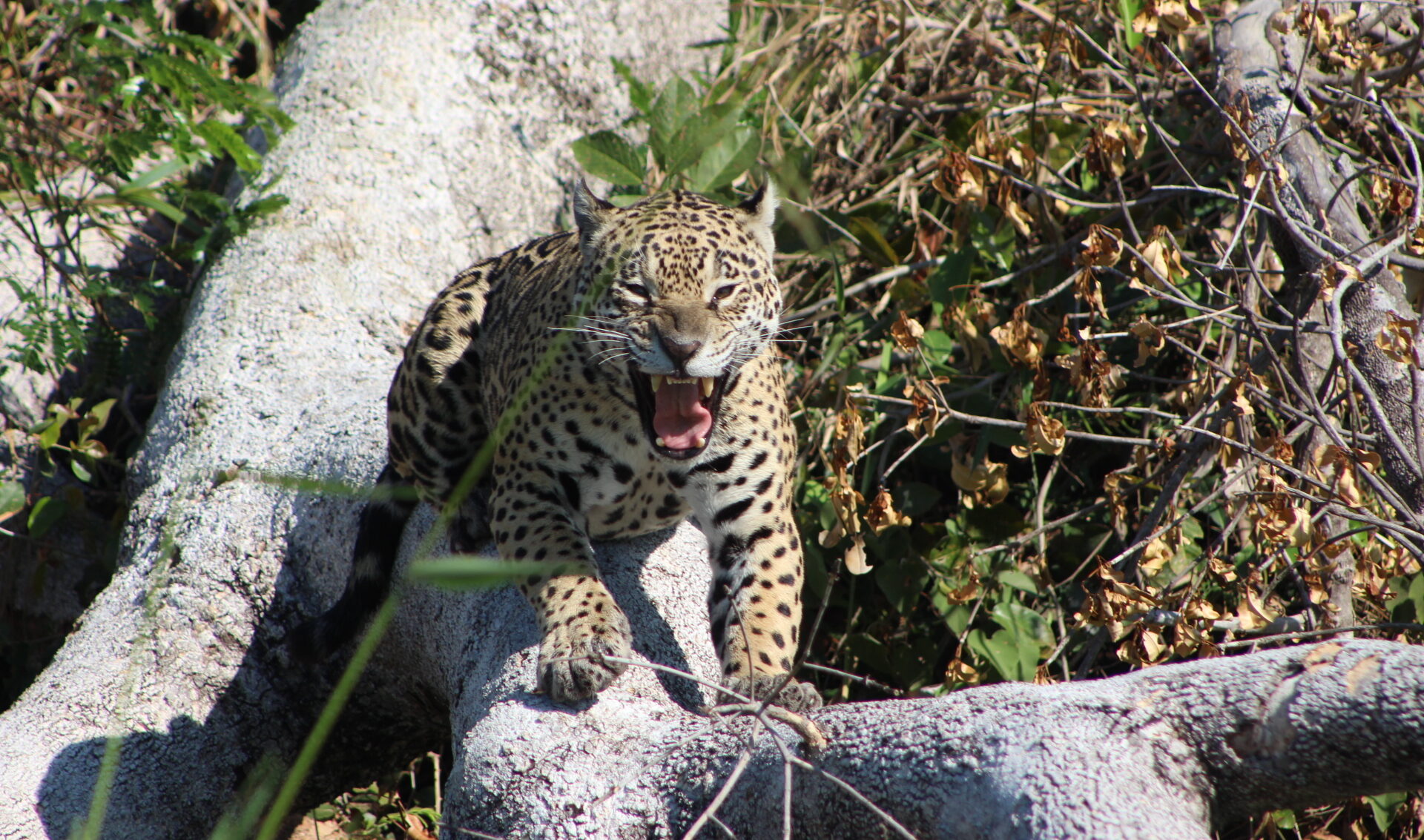
Dreaming of seeing a jaguar? The Northern Pantanal is the ideal place. Learn about the best times and how to maximize your chances of spotting one.
An unparalleled wildlife sanctuary, the Northern Pantanal is a vast wetland that enables encounters with nature. Its expanse, rich biodiversity, and pristine ecosystems make it a dream destination for adventure and wildlife observation lovers. Among its wonders, the unique opportunity to spot the jaguar in its natural habitat stands out.
This natural paradise offers an authentic and profound experience of South American wildlife. The combination of breathtaking landscapes and the presence of diverse species ensures that every visit is a memorable adventure, full of discoveries and moments that will remain etched in the traveler’s memory forever.
Why is the Northern Pantanal the best place for jaguar spotting?
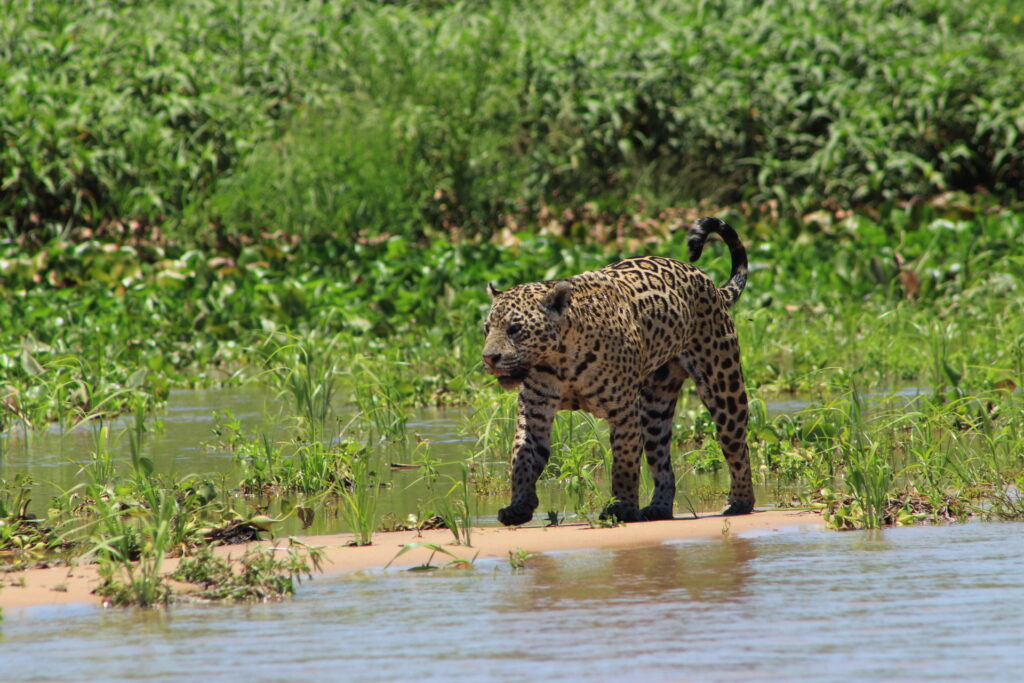
The Northern Pantanal holds the title of being one of the world’s epicenters for jaguar spotting, and this is no coincidence. Its vastness, characterized by a complex network of rivers, lagoons, and extensive floodplains, provides an ideal habitat for these magnificent felines. Unlike other dense jungles where jaguars are elusive and difficult to find, the open areas and waterways of the Pantanal allow for exceptional visibility, especially during the dry season when animals congregate near water sources.
The high density of prey, including capybaras, caimans, and a variety of fish, ensures a healthy and active jaguar population. Local tour operators, with decades of experience, know the routines and territories of these animals, significantly increasing the chances of a successful sighting. The combination of a conducive ecosystem and specialized tourism makes the Northern Pantanal the preferred destination for those who dream of seeing this predator in its full splendor.
Wildlife of the Northern Pantanal: Beyond the Jaguar
While the jaguar is the undisputed star of the Northern Pantanal, the richness of its biodiversity goes much further. This ecosystem is a paradise for birdwatchers, hosting thousands of species, from the imposing toucan to the colorful macaw and the majestic jabiru. The skies and riverbanks teem with life, with constant movement of bird flocks, offering a fascinating visual and auditory spectacle.
In addition to birds, the Northern Pantanal is home to a wide variety of mammals. Capybaras, the world’s largest rodents, are ubiquitous, often seen in large groups grazing near the water. Caimans bask on the riverbanks, and it’s common to spot giant river otters, howler monkeys, and a surprising diversity of reptiles. Every corner of this vast wetland is brimming with life, inviting constant exploration and discovery.
Best time to visit the Northern Pantanal and spot jaguars
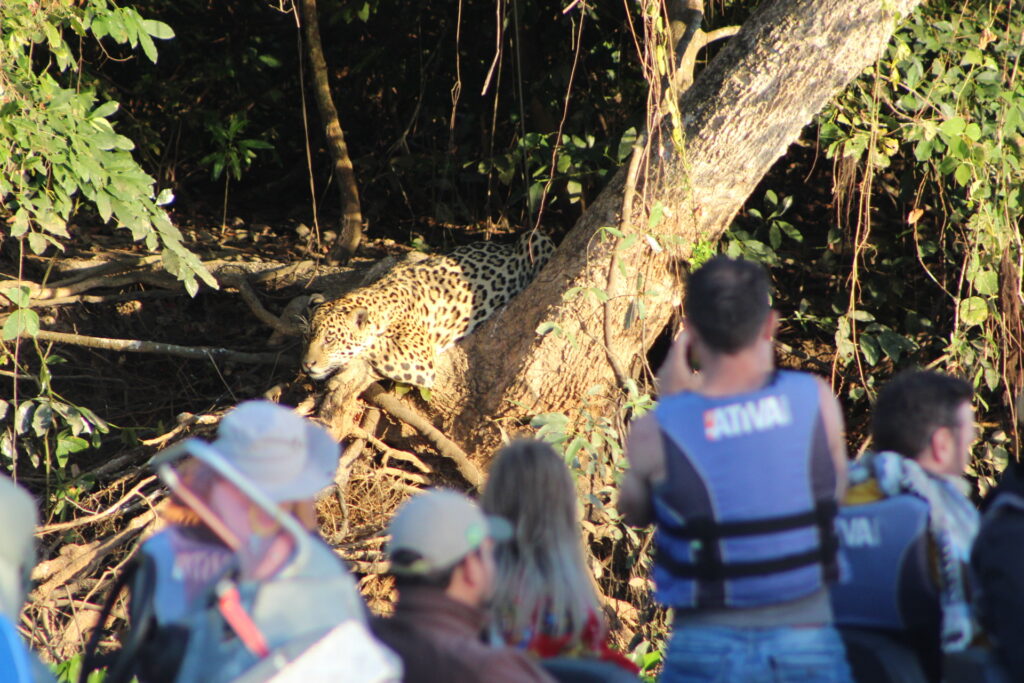
Choosing the right time to visit the Northern Pantanal is crucial for maximizing your chances of spotting jaguars. Generally, the dry season, which runs from June to October, is considered the best. During these months, water levels recede, forcing wildlife to concentrate in the remaining water bodies. This facilitates the visibility of jaguars, which can often be seen resting on the banks or hunting.
The rainy season, from November to May, while offering greener and more lush landscapes, can make access to certain areas difficult and disperses the animals. However, for bird lovers, this season can be very rewarding. Regardless of the season, preparation is key:
- Pack light, quick-drying clothing in neutral colors.
- Bring insect repellent and sunscreen.
- Include a wide-brimmed hat and sunglasses.
- Don’t forget binoculars for better observation.
To prepare adequately, it is recommended:
- Book accommodation and tours in advance, especially during peak season.
- Research different lodge and guide options.
- Ensure you have travel insurance that covers adventure activities.
- Inquire about recommended vaccinations for the region.
| Option | Main Location | Accommodation Type | Featured Activities | |
|---|---|---|---|---|
| Fazenda San Francisco | Poconé, Mato Grosso | Cabins and standard rooms | Jeep safaris, hiking, boat trips, horseback riding | |
| Hotel Pantanal Norte | Porto Jofre, Mato Grosso | Rooms with river view | Jaguar spotting boat trips, sport fishing | |
| Cristalino Lodge | Southern Mato Grosso (further south, but access to jaguar areas) | Luxury bungalows | Trekking, bird watching, wildlife photography | |
| Pousada Araras Pantanal Eco Lodge | Barão de Melgaço, Mato Grosso | Rustic chalets | Canoe trips, photo safaris, bird watching |
Practical tips for your Northern Pantanal expedition
An expedition to the Northern Pantanal requires careful planning to ensure a safe and rewarding experience. Regarding luggage, it is essential to bring light, quick-drying clothing in neutral tones to avoid scaring the wildlife. Don’t forget a good pair of closed-toe shoes for hiking, sandals for the lodge, a light raincoat, and of course, a hat or cap to protect yourself from the sun. High-spectrum sunscreen and a powerful insect repellent are indispensable.
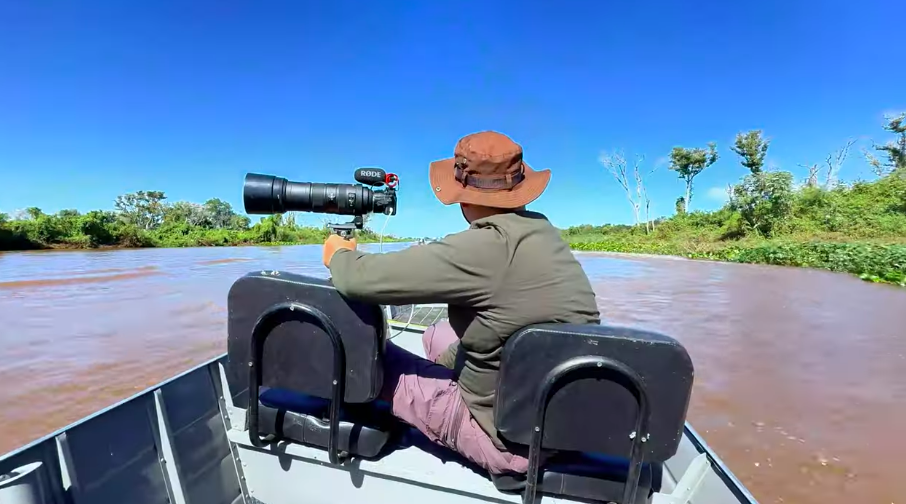
Regarding behavior in nature, the golden rule is to observe without disturbing. Maintain a safe distance from animals, do not feed them, and avoid making loud noises that could upset them. For wildlife photography, a telephoto lens is almost essential if you aim to capture detailed shots of jaguars or birds. Safety is paramount; always follow your guides’ instructions, especially when interacting with the environment and its fauna. Always drink bottled water and stay hydrated.
Frequently asked questions about jaguar spotting in the Northern Pantanal
The Northern Pantanal is a dream destination for wildlife lovers, but it’s natural to have some questions before embarking on a trip of this magnitude. Here we answer the most common questions to help you plan your adventure and maximize your chances of success.
Is it easy to see jaguars in the Northern Pantanal?
While the Northern Pantanal offers one of the highest probabilities in the world for spotting jaguars, an encounter cannot be guaranteed on every expedition. Visibility depends on several factors, including the time of year, water levels, and the animals’ natural behavior. The dry season, from June to October, is the most favorable, as jaguars concentrate near rivers and lagoons. Expert guides are very familiar with jaguar territories and routines, which considerably increases the chances of a successful sighting. Patience and flexibility are key to enjoying the experience.
What photographic equipment is recommended for capturing jaguars?
For photographing jaguars in the Northern Pantanal, versatile, high-quality photographic equipment is recommended. A digital single-lens reflex (DSLR) or mirrorless camera body with good low-light focusing capability is ideal. As for lenses, a long telephoto lens, such as a 300mm, 400mm, or even 600mm, is almost indispensable for getting close-ups without disturbing the animal. A versatile zoom lens (e.g., 70-200mm or 100-400mm) is also very useful for different situations. It is recommended to bring extra batteries and memory cards, as well as a tripod or monopod to stabilize the camera, especially on boats.
Are there any risks when visiting the Northern Pantanal to see jaguars?
As with any wildlife destination, there are some inherent risks, but they are generally manageable with due caution. The main risks are associated with local fauna, such as insect bites (mosquitoes, ticks), encounters with snakes or caimans if guide instructions are not followed. It is important to follow safety recommendations, such as not straying from designated paths, not attempting to touch or feed animals, and using insect repellent. Tour operators and lodges are equipped to handle basic medical emergencies, but it is advisable to have comprehensive travel insurance.
How much does a trip to the Northern Pantanal for jaguar spotting cost?
The cost of a trip to the Northern Pantanal for jaguar spotting can vary considerably depending on the type of accommodation, length of stay, included activities, and season. Generally, a 4 to 5-day trip to a mid-range lodge can cost between $2,500 and $4,500 USD per person, excluding flights. Luxury lodges or more exclusive expeditions can significantly increase the price. All-inclusive packages are usually the most convenient option, covering accommodation, meals, guides, and most excursions.