 PT
 EN
 ES
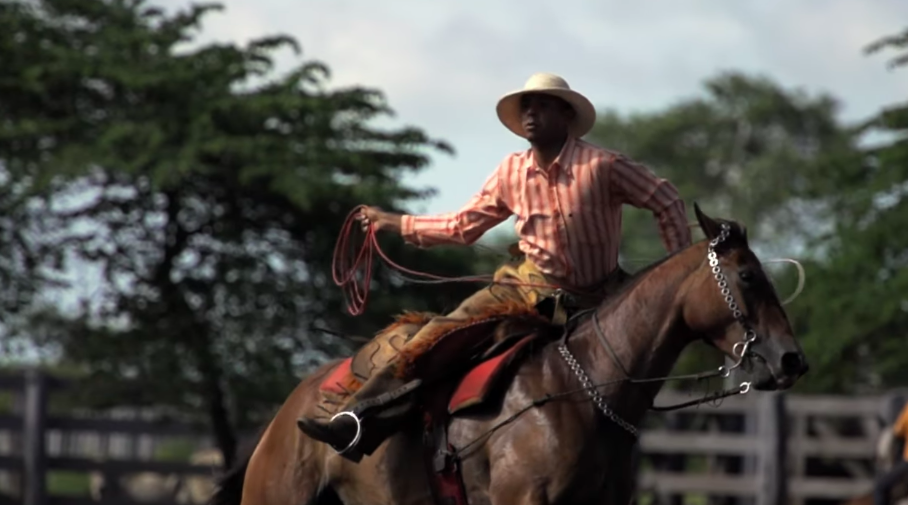
The Northern Pantanal is more than an ecosystem; it's the crucible of the rich and resilient Pantaneira culture. Explore traditions, crafts, and a unique way of life shaped by centuries of human interaction with a majestic environment.
The Northern Pantanal, a vast expanse of wetlands in the heart of South America, is much more than an ecosystem of incomparable biodiversity. It is also the crucible where a rich and resilient culture has been forged: the Pantaneira culture. This legacy is woven through centuries of human interaction with a challenging and majestic environment, giving rise to unique traditions, crafts, and a way of life.
Exploring the Pantaneira culture means delving into a world where nature dictates the rhythm of life and where adaptability and ingenuity are essential virtues. From the deep roots of its origins to its contemporary manifestations, this cultural heritage offers a fascinating window into the identity of a region and its people.
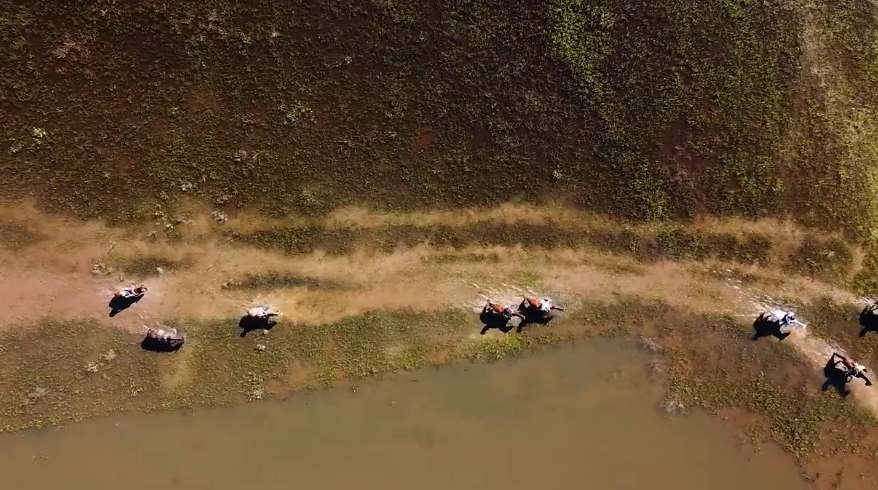
The History of the Northern Pantanal and the Formation of its Unique Culture
The history of the Northern Pantanal is a narrative of encounters and adaptations. Before the arrival of Europeans, the region was inhabited by various indigenous communities, such as the Paĩ Tavyterã and the Xané, who developed a deep knowledge of the environment, basing their subsistence on hunting, fishing, and gathering. Their worldviews and ancestral practices laid the foundation for a symbiotic relationship with the land and water, elements that would define the local culture.
Portuguese colonization, starting in the 17th century, introduced new dynamics. The pursuit of riches, cattle ranching, and the expansion of the agricultural frontier modified the landscape and social structure. The figure of the “vaquero” or “pantaneiro” emerged, a man who learned to navigate floods and droughts, manage livestock in extreme conditions, and coexist with wildlife. This fusion of indigenous knowledge and colonial practices, along with the influence of neighboring cultures like Paraguayan, shaped a distinctive cultural identity marked by resilience and pragmatism.
Life on the frontier, often isolated and with scarce resources, forged a spirit of community and self-sufficiency. Traditions were passed down orally, and music, stories, and festivities became pillars of social cohesion. Pantaneira culture solidified as a tapestry of shared experiences, forged in the struggle and celebration of life in one of the planet’s most unique environments.
Artistic and Traditional Manifestations of Pantaneira Culture
Pantaneira culture manifests vibrantly through various artistic and traditional expressions that reflect its history and connection with nature. Music, with rhythms like the Paraguayan polka and guarânia, often performed with harp and guitar, narrates stories of rural life, love, and hardship. Dances, such as the “sarrada” or “cururu,” are collective expressions that celebrate local identity and strengthen community bonds.
Pantaneira craftsmanship is another fundamental pillar, utilizing materials available in the region such as leather, wood, and natural fibers. Utilitarian and decorative objects, from saddles and lassos to baskets and adornments, showcase the skill and creativity of their makers. Gastronomy, as will be detailed later, is a rich amalgamation of indigenous flavors and culinary techniques that constitute an essential part of the Pantaneira identity.
Popular festivals, often linked to religious events or the cattle cycle, are moments of great cultural effervescence. Celebrations like the “Festa do Divino” or agricultural fairs become stages where food, music, dances are shared, and the sense of belonging is reinforced. These manifestations are not mere entertainment but vehicles for cultural transmission and collective memory.
Each of these artistic and traditional expressions is intrinsically linked to the natural environment and daily life of the Pantanal. Music evokes the sounds of the jungle and rivers, craftsmanship imitates the forms of fauna and flora, and gastronomy utilizes the region’s fruits and animals, creating a cultural legacy deeply rooted in its geography.

The Role of the Pantaneiro Man: Tradition and Adaptation
The Pantaneiro man is the emblematic figure of this region, a character forged by the need to adapt to one of the most extreme ecosystems on the planet. Traditionally, his occupations revolve around nature: the cowboy, responsible for managing extensive cattle in the vast flooded plains, and the fisherman, who extracts his livelihood from the abundant rivers and lagoons. His knowledge of the terrain, water cycles, and animal behavior is invaluable, passed down from generation to generation.
The Pantaneiro’s relationship with nature is one of deep interdependence and respect. He has learned to read the signs of the weather, predict floods, and utilize resources sustainably, although modern challenges such as intensive agriculture and deforestation threaten this balance. His life is marked by resilience, physical strength, and a deep spiritual connection with the land that sustains him.
The main activities of the Pantaneiro man include:
- Management of extensive beef cattle.
- Sport and subsistence fishing.
- Hunting (traditionally for personal consumption, now regulated).
- River navigation and transportation.
- Construction and maintenance of estancias (ranches).
- Production of handicrafts with local materials.
Pantaneira Gastronomy: Traditional Flavors and Recipes
Pantaneira gastronomy is a direct reflection of the Pantanal’s natural richness and the ingenuity of its people. Based on indigenous ingredients, especially river fish and game and beef, it offers unique and hearty flavors. Culinary techniques often involve simple but effective methods, such as grilling, cooking in cast-iron pots, or using firewood, which impart a characteristic aroma to the dishes.
River fish is the undisputed protagonist. Species like pacu, pintado, or dourado are prepared in various ways, notably “pacu grilled on the coals” or “pintado in moqueca.” Beef, from cattle raised on the plains, gives rise to dishes like “arroz carreteiro,” a dry and flavorful rice with charque (salted and dried meat), or “Pantaneiro-style beef ribs.”
Traditional Flavors and Recipes
Representative dishes of Pantaneira gastronomy:
- Grilled Pacu: Whole fish cooked over coals, often marinated with lemon and garlic.
- Arroz Carreteiro: Dry rice cooked with shredded beef (charque).
- Sopa Paraguaya: A savory cornbread-like cake made with corn flour, cheese, and onion, with a dense and flavorful texture.
- Piranha Broth: A hearty soup made with the popular piranha.
- Matambre Recheado: A thin cut of beef, stuffed and slow-cooked.
- Promotion of community-based ecotourism.
- Educational programs on local history and culture.
- Support for the production and marketing of handicrafts.
- Revitalization of traditional festivals and events.
- Documentation and dissemination of ancestral knowledge (music, cuisine, trades).
| Aspect | Northern Pantanal | Other Regions (e.g., Urban) | Other Regions (e.g., Mountainous) |
|---|---|---|---|
| Main Economy | Extensive cattle ranching, fishing, ecotourism. | Industry, services, commerce, intensive agriculture. | Agriculture, small-scale ranching, rural tourism. |
| Way of Life | Rhythm dictated by nature (floods/droughts), rural life, self-sufficiency. | Fast-paced, focused on work and consumption, high connectivity. | Slower, focused on community and local traditions. |
| Relationship with Nature | Deep interdependence, ancestral knowledge, respect and adaptation. | Often distant, mediated by technology and resource consumption. | Close, linked to agricultural activities and forest/resource exploitation. |
| Culture and Traditions | Strong local identity, music, dances, river gastronomy, the figure of the pantaneiro. | Cultural diversity influenced by migration, global trends. | Deep-rooted folk traditions, local crafts, regional festivals. |
| Challenges | Climate change, deforestation, land use conflicts, cultural preservation. | Pollution, urban stress, social inequality, loss of identity. | Youth emigration, changes in agricultural models, landscape preservation. |
Preserving Pantaneira Culture for the Future
The preservation of Pantaneira culture faces significant challenges today, stemming from modernization, economic pressure, and environmental changes. The migration of young people to cities in search of opportunities, cultural homogenization driven by mass media, and the intensification of economic activities like agribusiness threaten traditional practices and knowledge. However, there is a growing awareness of the importance of protecting this valuable heritage.
Various initiatives aim to safeguard Pantaneira culture. Promoting responsible ecotourism, which values and promotes local traditions, is an important avenue. Heritage education in schools, the revitalization of popular festivals, and the promotion of local crafts and gastronomy are key actions. Supporting Pantaneiros in continuing their trades and passing on their knowledge to new generations is fundamental to ensuring this unique legacy endures.
Frequently Asked Questions about Pantaneira Culture and the Northern Pantanal
Pantaneira culture, with its rich history and unique manifestations, generates many questions. Below, we address some of the most common concerns about this fascinating legacy of the Northern Pantanal, its people, and its traditions.
Understanding the essence of Pantaneira culture involves knowing its fundamental pillars. These include the music and dances that narrate life in the region, the craftsmanship that ingeniously uses natural resources, the gastronomy that delights with unique flavors, and, of course, the figure of the Pantaneiro man, whose life and work are intrinsically linked to the water and land cycles.
What are the main elements that define Pantaneira culture?
Pantaneira culture is defined by a series of interconnected elements that reflect its environment and history. Music, with its characteristic rhythms and melodies, often performed with harp and guitar, evokes life in the countryside and the stories of the Pantanal. Dances are expressions of joy and community, celebrating local identity. Craftsmanship, made from materials like leather and wood, showcases Pantaneiro skill and ingenuity.
Gastronomy is another vital component, offering dishes based on river fish and beef, prepared with traditional techniques. Finally, the figure of the Pantaneiro man, with his deep knowledge of the environment and his lifestyle adapted to extreme conditions, is central to understanding this culture. These elements, together, create a unique and resilient cultural tapestry.
What historical influences have shaped the history of the Northern Pantanal?
The history of the Northern Pantanal has been shaped by a confluence of significant influences. Indigenous peoples, with their ancestral knowledge of the territory, laid the groundwork for a deep relationship with nature. Later, the arrival of Portuguese colonizers introduced extensive cattle ranching, new techniques, and a different social structure.
Life on the frontier, often isolated, fostered self-management and the creation of a unique identity. The influence of neighboring cultures, such as Paraguayan, also left its mark on music, language, and customs. This amalgamation of indigenous, colonial, and frontier legacies is what has shaped the rich and complex history of the Northern Pantanal.
How is the relationship between the Pantaneiro man and nature manifested?
The relationship between the Pantaneiro man and nature is one of deep interdependence and mutual respect. The Pantaneiro does not see nature as a resource to be exploited indiscriminately but as a living entity upon which his subsistence and way of life depend. He has developed an intimate knowledge of hydrological cycles, fauna, and flora, which allows him to adapt to the extreme conditions of the Pantanal.
This connection is manifested in his traditional occupations, such as cattle ranching and fishing, which are practiced in harmony with natural rhythms. The Pantaneiro learns to read the signs of the weather, predict floods, and use resources sustainably, ensuring the continuity of his culture and the ecosystem around him. It is a relationship of coexistence, where man integrates into the landscape rather than trying to dominate it.
What typical dishes of Pantaneira gastronomy can’t I miss?
Pantaneira gastronomy offers an unforgettable culinary experience, with flavors that reflect the abundance of its rivers and plains. Among the unmissable dishes is “pacu asado na brasa,” an emblematic fish cooked to perfection over coals, which enhances its natural flavor. Another classic is “arroz carreteiro,” a hearty and flavorful dish, ideal for replenishing energy.
One cannot forget “sopa paraguaya,” a type of savory corn and cheese cake that, despite its name, is a fundamental accompaniment. “Caldo de piranha” offers a bolder experience, while “matambre recheado” demonstrates skill in meat preparation. Each of these dishes tells a story and represents an essential part of Pantaneira culinary identity.