PT
PT  EN
EN  ES
ES 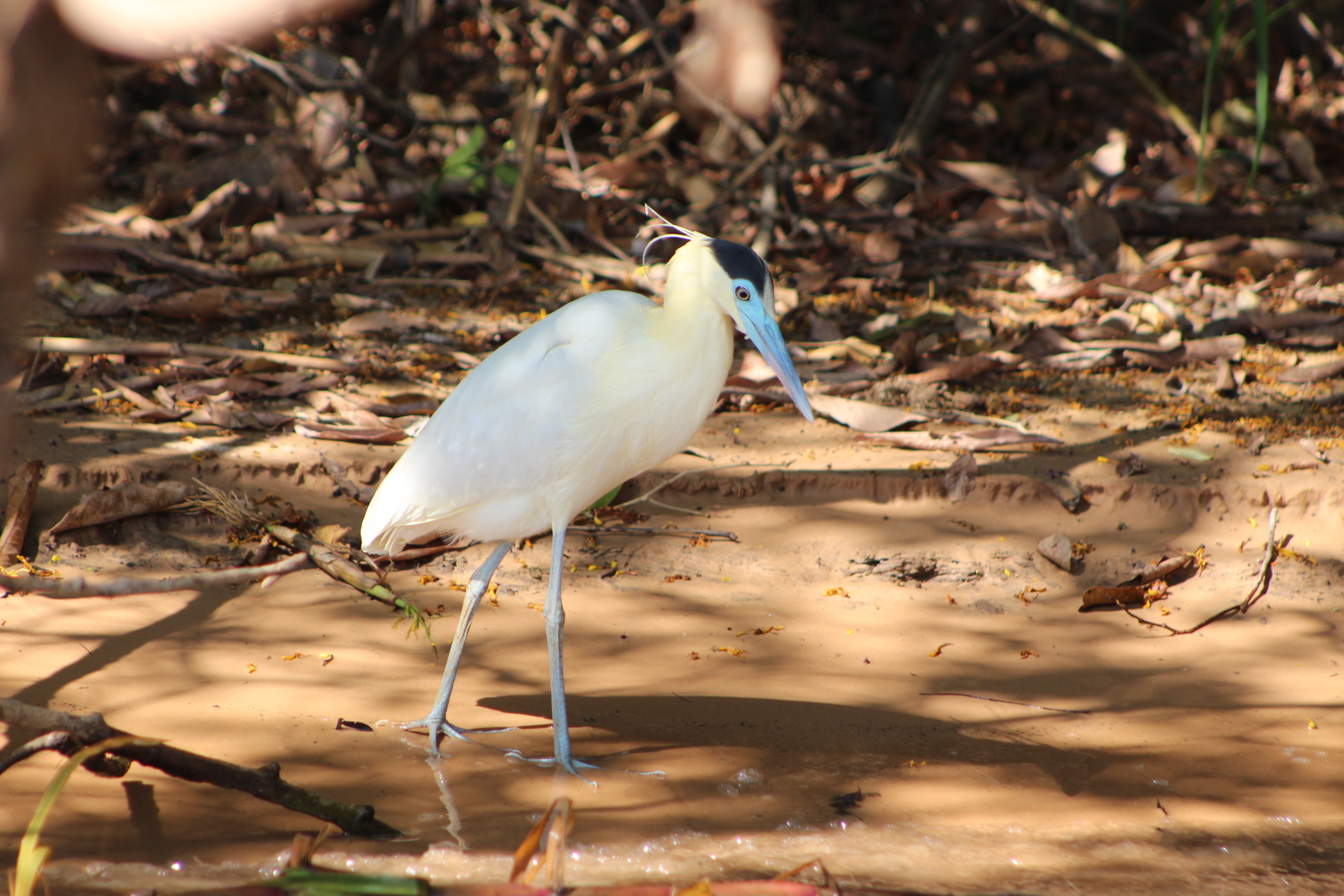
The Transpantaneira, a vast alluvial plain in the heart of Brazil, stands as an unparalleled sanctuary for wildlife, and particularly for birds. This unique ecosystem, known for its flood and drought cycles, creates a mosaic of habitats that attracts an astonishing avian diversity. For birdwatching enthusiasts, the Transpantaneira represents a golden opportunity to witness natural spectacles of great magnitude. Exploring the Transpantaneira means venturing into a world where the sound of birds is the constant soundtrack and the sky is painted with vibrant colors by their flights. The ease of access via its iconic elevated road, along with the abundance of species, has established it as one of the most important and accessible birdwatching destinations on the planet. Here, nature unfolds in its fullest expression, offering memorable experiences at every turn. Birdwatching in the Transpantaneira involves observing and documenting the diverse bird species that inhabit or pass through this vast region of wetlands and savannas. What makes this destination truly special is the immense avian biodiversity concentrated in a relatively accessible area. The geographical structure of the Transpantaneira, with its main road crossing the heart of the Pantanal and its countless lagoons, rivers, and flooded fields, creates an ideal environment for thousands of birds to find food, shelter, and nesting sites. The uniqueness of the Transpantaneira lies in its abundance and the ease with which elusive or hard-to-find species can be spotted. From majestic raptors to colorful waterbirds and passerines, the variety is astonishing. The dry season, in particular, concentrates birds around permanent water sources, facilitating their observation and photography. It is a paradise for ornithologists and nature photographers, offering an immersive experience in one of the world's richest ecosystems. The Transpantaneira is home to an impressive list of avian species, many of which are true icons of Brazilian fauna. Among the most sought-after by observers are the Jabiru (Jabiru mycteria), the largest stork in America, easily recognizable by its black neck and large red bill. It is also common to spot the Hyacinth Macaw, whose colorful plumage and strident calls brighten the landscape. Other notable species include various herons, such as the Great Egret (Ardea alba) and the Little Blue Heron (Egretta caerulea), as well as the striking Toco Toucan (Ramphastos toco) with its enormous orange bill. The richness of the ecosystem allows for the finding of a wide variety of waterbirds, adapted to the Pantanal's flood cycles. Ducks, geese, and other wading birds are common along the shores and lagoons. The Chaja (Chauna torquata) is another noisy and conspicuous inhabitant. For raptor lovers, the Transpantaneira offers opportunities to observe the Harpy Eagle (Harpia harpyja) in more wooded areas, although it is a more elusive species, and various species of falcons and caracaras. The diversity is not limited to large birds; the undergrowth and savanna areas host a myriad of passerines, hummingbirds, and woodpeckers. To facilitate identification, here are some of the most representative species: Jabiru: National bird of Brazil, a symbol of the Pantanal. Macaw (Hyacinth): Iconic for their color and size. Toco Toucan: The largest toucan, with a distinctive bill. Southern Caracara: Common raptor, often seen on posts and trees. Chaja: Noisy and territorial bird, easy to hear. Herons (various species): Abundant in aquatic areas. Kingfisher (various species): Small and agile fish hunters. The best time for birdwatching in the Transpantaneira generally spans the dry season, from May to September. During these months, the floodwaters recede, concentrating birds in the remaining lagoons and rivers, which greatly facilitates their sighting and photography. The vegetation also becomes less dense, improving visibility. However, the rainy season (October to April) also has its charm, attracting migratory birds and offering a lush, vibrant landscape, although observation can be more challenging due to the birds' dispersion and dense vegetation. Within the extensive Transpantaneira, there are geographical points that stand out for their high concentration of birds and ease of access. The road itself is a prime observation corridor, but certain areas are particularly recommended: Pocone: The starting point of the Transpantaneira, with good opportunities to observe birds in the surroundings. Pixaim River: Known for its calm waters and abundant birdlife on its banks, ideal for boat trips. Fazendas (Farms): Many rural properties offer accommodation and trails dedicated to birdwatching, often with expert guides. Emas National Park: Although a bit further away, it is a key site for savanna species. Viewpoints and Bridges: Elevated points and bridges over rivers are excellent places to observe waterbirds and raptors. Essential basic equipment includes good binoculars (8x42 or 10x42), neutral-colored, breathable, and quick-drying clothing, a hat for sun protection, comfortable walking shoes (trekking boots), insect repellent, and sunscreen. A camera with a telephoto lens is highly recommended for capturing images. Don't forget a field guide for species identification and plenty of water. Definitely yes. Hiring a local guide is highly recommended. Expert guides know the best spots, bird behavior, characteristic sounds, and the most effective routes for sightings. Their knowledge not only increases the chances of seeing rare or elusive species but also enriches the experience with information about the ecosystem and local culture, besides assisting with logistics and safety. For a satisfying birdwatching experience in the Transpantaneira, a stay of 4 to 7 days is recommended. This period allows for exploring different areas and habitats, such as rivers, lagoons, and savannas, increasing the chances of observing a wide diversity of species. A few days might be enough to see the highlights, but a week will allow for a deeper immersion and the possibility of seeing more elusive birds.
The Transpantaneira, a vast alluvial plain in the heart of Brazil, stands as an unparalleled sanctuary for wildlife, and particularly for birds. This unique ecosystem, known for its flood and drought cycles, creates a mosaic of habitats that attracts an astonishing avian diversity. For birdwatching enthusiasts, the Transpantaneira represents a golden opportunity to witness natural spectacles of great magnitude.
Exploring the Transpantaneira means venturing into a world where the sound of birds is the constant soundtrack and the sky is painted with vibrant colors by their flights. The ease of access via its iconic elevated road, along with the abundance of species, has established it as one of the most important and accessible birdwatching destinations on the planet. Here, nature unfolds in its fullest expression, offering memorable experiences at every turn.
What is Birdwatching in the Transpantaneira and Why is it Special?
Birdwatching in the Transpantaneira involves observing and documenting the diverse bird species that inhabit or pass through this vast region of wetlands and savannas. What makes this destination truly special is the immense avian biodiversity concentrated in a relatively accessible area. The geographical structure of the Transpantaneira, with its main road crossing the heart of the Pantanal and its countless lagoons, rivers, and flooded fields, creates an ideal environment for thousands of birds to find food, shelter, and nesting sites.
The uniqueness of the Transpantaneira lies in its abundance and the ease with which elusive or hard-to-find species can be spotted. From majestic raptors to colorful waterbirds and passerines, the variety is astonishing. The dry season, in particular, concentrates birds around permanent water sources, facilitating their observation and photography. It is a paradise for ornithologists and nature photographers, offering an immersive experience in one of the world’s richest ecosystems.
Iconic Birds for Birdwatching in the Transpantaneira
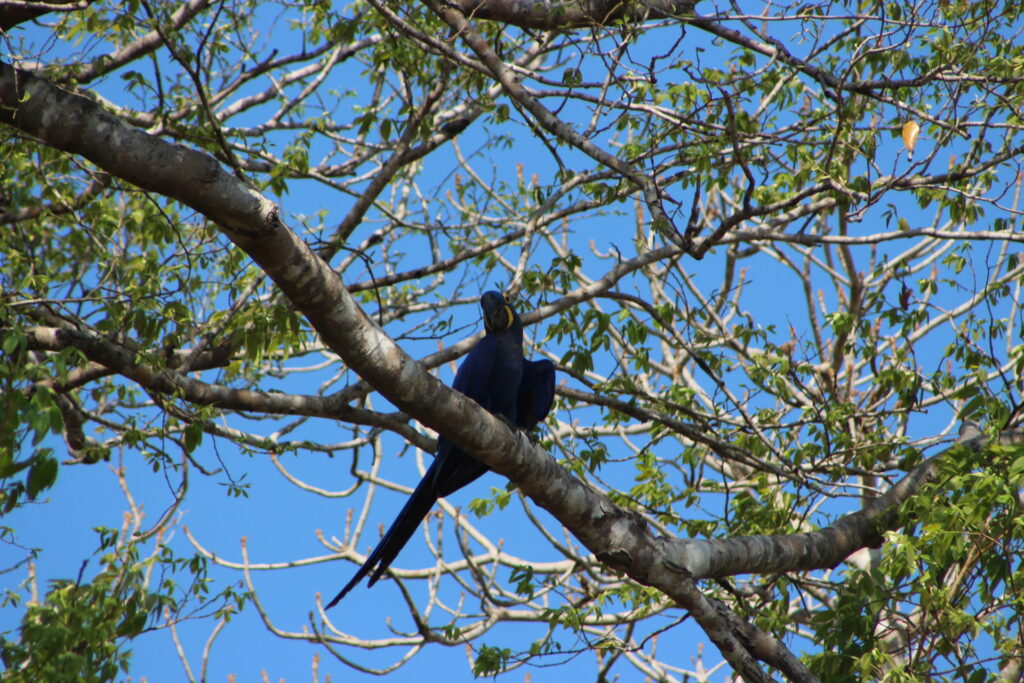
The Transpantaneira is home to an impressive list of avian species, many of which are true icons of Brazilian fauna. Among the most sought-after by observers are the Jabiru (Jabiru mycteria), the largest stork in America, easily recognizable by its black neck and large red bill. It is also common to spot the Hyacinth Macaw, whose colorful plumage and strident calls brighten the landscape. Other notable species include various herons, such as the Great Egret (Ardea alba) and the Little Blue Heron (Egretta caerulea), as well as the striking Toco Toucan (Ramphastos toco) with its enormous orange bill.
The richness of the ecosystem allows for the finding of a wide variety of waterbirds, adapted to the Pantanal’s flood cycles. Ducks, geese, and other wading birds are common along the shores and lagoons. The Chaja (Chauna torquata) is another noisy and conspicuous inhabitant. For raptor lovers, the Transpantaneira offers opportunities to observe the Harpy Eagle (Harpia harpyja) in more wooded areas, although it is a more elusive species, and various species of falcons and caracaras. The diversity is not limited to large birds; the undergrowth and savanna areas host a myriad of passerines, hummingbirds, and woodpeckers.
To facilitate identification, here are some of the most representative species:
- Jabiru: National bird of Brazil, a symbol of the Pantanal.
- Macaw (Hyacinth): Iconic for their color and size.
- Toco Toucan: The largest toucan, with a distinctive bill.
- Southern Caracara: Common raptor, often seen on posts and trees.
- Chaja: Noisy and territorial bird, easy to hear.
- Herons (various species): Abundant in aquatic areas.
- Kingfisher (various species): Small and agile fish hunters.
Best Time and Key Locations for Birdwatching in the Transpantaneira
The best time for birdwatching in the Transpantaneira generally spans the dry season, from May to September. During these months, the floodwaters recede, concentrating birds in the remaining lagoons and rivers, which greatly facilitates their sighting and photography. The vegetation also becomes less dense, improving visibility. However, the rainy season (October to April) also has its charm, attracting migratory birds and offering a lush, vibrant landscape, although observation can be more challenging due to the birds’ dispersion and dense vegetation.
Within the extensive Transpantaneira, there are geographical points that stand out for their high concentration of birds and ease of access. The road itself is a prime observation corridor, but certain areas are particularly recommended:
- Pocone: The starting point of the Transpantaneira, with good opportunities to observe birds in the surroundings.
- Pixaim River: Known for its calm waters and abundant birdlife on its banks, ideal for boat trips.
- Fazendas (Farms): Many rural properties offer accommodation and trails dedicated to birdwatching, often with expert guides.
- Emas National Park: Although a bit further away, it is a key site for savanna species.
- Viewpoints and Bridges: Elevated points and bridges over rivers are excellent places to observe waterbirds and raptors.
Essential Equipment and Tips for Your Birdwatching Adventure
| Equipment | Description | Tip |
|---|---|---|
| Binoculars | Essential for detailed bird observation. 8×42 or 10×42 magnification recommended. | Invest in good quality; the difference is noticeable. |
| Spotting Scope (Optional) | Useful for observing birds at long distances, especially in open areas. | Consider if your budget and type of observation justify it. |
| Camera | With a good telephoto lens to capture images of birds. | Prioritize optical quality and focusing speed. |
| Field Guide | Bird identification guide specific to the Pantanal region. | Carry a reliable physical or digital version. |
| Appropriate Clothing | Neutral colors (green, brown, khaki), breathable and quick-drying. Sun protection (hat, sunglasses). | Avoid bright colors that might scare birds away. |
| Insect Repellent | Especially important during the rainy season. | Look for products with DEET or effective natural ingredients. |
| Trekking/Hiking Boots | Comfortable and durable for walking on varied terrain. | Waterproof if possible, for crossing small streams. |
| Water and Snacks | Stay hydrated and energized, especially on long excursions. | Use reusable containers and avoid leaving waste. |
Plan Your Birdwatching Itinerary in the Transpantaneira
An effective birdwatching visit to the Transpantaneira should ideally last between 4 and 7 days. This time allows for exploring different habitats and increases the chances of spotting a wide range of species, without feeling rushed. Accommodation options range from rustic inns and eco-lodges to fazendas that offer complete birdwatching packages, including guides and transportation. The most common transport is by 4×4 vehicles, as the road can present difficult stretches, especially during or after rain.
Consider hiring guided tours. Local guides possess invaluable knowledge about bird behavior, locations, and the best times for sightings. Many lodges and tour operators offer specialized birdwatching tours, which may include boat trips on rivers and lagoons, hikes on trails, and vehicle excursions at dawn and dusk, times of peak avian activity. Planning in advance, especially during peak season, is crucial to ensure availability.
Frequently Asked Questions about Birdwatching in the Transpantaneira
Resolving common doubts before embarking on your trip will allow you to make the most of your birdwatching experience in the Transpantaneira. Here we address some of the most frequently asked questions to help you plan your ornithological adventure.
What is the best time of year for birdwatching in the Transpantaneira?
The dry season, from May to September, is considered the best time for birdwatching in the Transpantaneira. During these months, water scarcity concentrates birds in lagoons and rivers, making them easier to spot. The vegetation is less dense, improving visibility. The rainy season, from October to April, although more challenging due to bird dispersion and lush vegetation, attracts migratory birds and offers a spectacularly green landscape.
What basic equipment do I need for birdwatching in the Transpantaneira?
Essential basic equipment includes good binoculars (8×42 or 10×42), neutral-colored, breathable, and quick-drying clothing, a hat for sun protection, comfortable walking shoes (trekking boots), insect repellent, and sunscreen. A camera with a telephoto lens is highly recommended for capturing images. Don’t forget a field guide for species identification and plenty of water.
Is it advisable to hire a local guide for birdwatching in the Transpantaneira?
Definitely yes. Hiring a local guide is highly recommended. Expert guides know the best spots, bird behavior, characteristic sounds, and the most effective routes for sightings. Their knowledge not only increases the chances of seeing rare or elusive species but also enriches the experience with information about the ecosystem and local culture, besides assisting with logistics and safety.
How many days are needed for a good birdwatching experience in the Transpantaneira?
For a satisfying birdwatching experience in the Transpantaneira, a stay of 4 to 7 days is recommended. This period allows for exploring different areas and habitats, such as rivers, lagoons, and savannas, increasing the chances of observing a wide diversity of species. A few days might be enough to see the highlights, but a week will allow for a deeper immersion and the possibility of seeing more elusive birds.