PT
PT  EN
EN  ES
ES 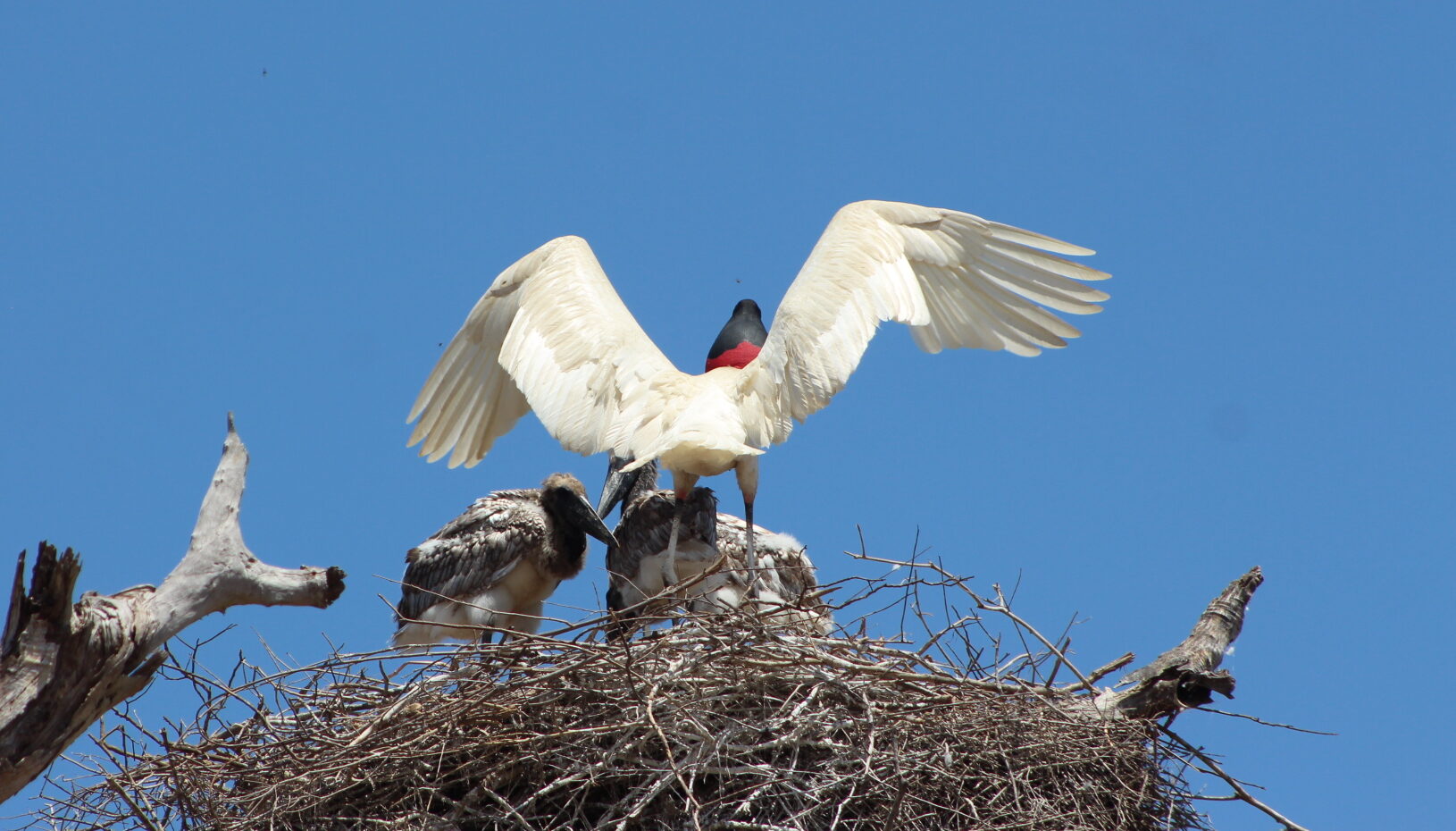
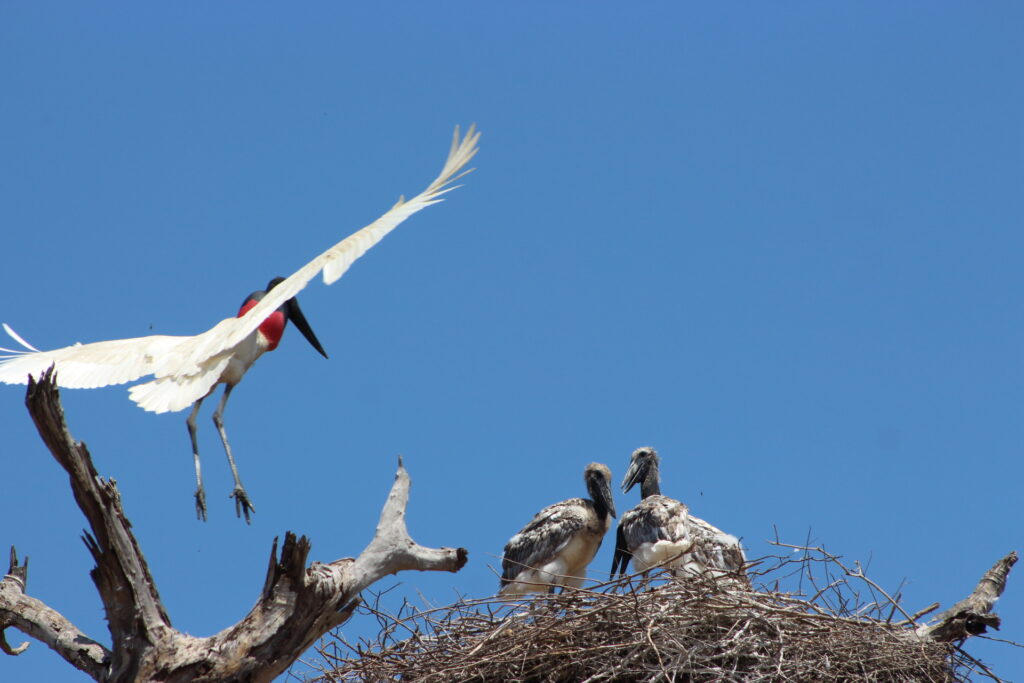
Brazil's Northern Pantanal is an unparalleled sanctuary of biodiversity, a vast wetland that attracts thousands of visitors each year in search of encounters with its unique fauna. Among the stars of this ecosystem is the majestic Jabiru Stork (Jabiru mycteria), one of the largest wading birds in the world, whose imposing figure and fascinating behavior make it a prime target for photographers and birdwatchers. Discovering where to see Jabiru stork in the Northern Pantanal involves venturing into landscapes of breathtaking beauty, where winding rivers, extensive lagoons, and flooded savannas create the perfect habitat for this emblematic species. Careful planning of the visit, considering the time of year and the most favorable areas, is essential to maximize sighting opportunities and enjoy an unforgettable experience in one of the planet's most important ecosystems.
Brazil’s Northern Pantanal is an unparalleled sanctuary of biodiversity, a vast wetland that attracts thousands of visitors each year in search of encounters with its unique fauna. Among the stars of this ecosystem is the majestic Jabiru Stork (Jabiru mycteria), one of the largest wading birds in the world, whose imposing figure and fascinating behavior make it a prime target for photographers and birdwatchers.
Discovering where to see Jabiru stork in the Northern Pantanal involves venturing into landscapes of breathtaking beauty, where winding rivers, extensive lagoons, and flooded savannas create the perfect habitat for this emblematic species. Careful planning of the visit, considering the time of year and the most favorable areas, is essential to maximize sighting opportunities and enjoy an unforgettable experience in one of the planet’s most important ecosystems.
Best Times and Places to See Jabiru Stork in the Northern Pantanal
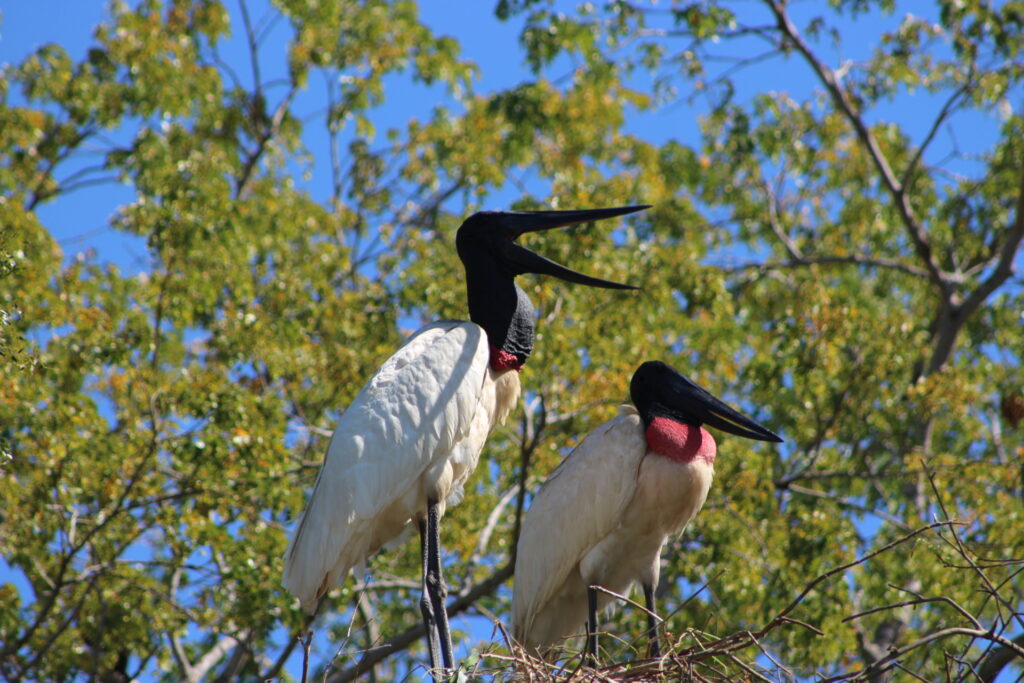
Observing the Jabiru Stork in Brazil’s Northern Pantanal is significantly influenced by the annual cycle of floods and droughts that characterizes this biome. The ideal season for spotting these majestic birds is usually during the dry season, which generally runs from May to September. During these months, the water levels in rivers and lagoons recede, concentrating fish and other aquatic animals in smaller bodies of water, which facilitates hunting for the Jabiru and, at the same time, makes the birds more visible in exposed grasslands and riverbanks.
Regarding key geographical areas, the Northern Pantanal offers several prime spots. The area around the Transpantaneira Highway is particularly famous, as this dirt road traverses extensive flooded areas and savannas, offering access to numerous channels, lagoons, and grasslands where the Jabiru Stork nests and feeds. Towns like Poconé and Porto Jofre are common starting points for exploring these regions. Additionally, nature reserves and tourist farms located along the Transpantaneira often have specific wildlife viewing programs, ensuring a high probability of sightings.
Other notable areas include the surroundings of Chapada dos Guimarães National Park, although this is located more in the adjacent Cerrado, it is often combined with Pantanal visits, and Jabirus can be seen in the transition zones. The region of Barão de Melgaço is also recognized for its rich birdlife, including the Jabiru. The key is to look for areas with abundant water and riparian vegetation, as these are the bird’s preferred habitats for nesting, feeding, and resting.
Tours and Guided Excursions for Jabiru Stork Spotting
For an optimal experience of where to see Jabiru stork in the Northern Pantanal, hiring tours and guided excursions is highly recommended. These offer various exploration modalities, adapting to each visitor’s preferences. Boat trips along rivers and channels are an excellent way to get close to the birds in their aquatic habitats, allowing observation of their fishing behavior and interaction with the environment. 4×4 vehicle safaris are ideal for traversing the Transpantaneira and its secondary roads, covering large areas and accessing places difficult to reach on foot. Guided walks along designated trails offer a more intimate perspective of the ecosystem and the opportunity to observe birds in their terrestrial environment.
Hiring an expert guide not only enriches the experience of where to see Jabiru stork in the Northern Pantanal but is also crucial for safety and environmental respect. Local guides possess in-depth knowledge of the Jabiru Stork’s habits, nesting sites, and the best times for observation. Furthermore, their expertise allows them to identify other species of fauna and flora, interpret animal behavior, and ensure that activities are carried out sustainably, minimizing the impact on the fragile Pantanal ecosystem. Their presence ensures that conservation regulations are followed and that birds are not disturbed in their nests or during feeding.
| Region | Main Features | Best Time | Recommended Activities | Sighting Probability |
|---|---|---|---|---|
| Transpantaneira Highway | Extensive wetlands, flooded savannas, channels, and lagoons. Easy access. | Dry season (May-September) | 4×4 safaris, boat trips, walks. | Very high |
| Barão de Melgaço | Transition areas with great bird diversity, lagoons, and riparian vegetation. | Dry season and early wet season (April-October) | Boat trips, bird watching from viewpoints. | High |
| Porto Jofre | Famous for jaguar spotting, but also rich in water birds. | Dry season (May-September) | Boat trips on the Cuiabá River, photographic safaris. | High |
| Tourist Farms (various) | Private properties with trails and controlled access to habitat areas. | Year-round, with peaks in the dry season. | Guided tours on foot, by vehicle, horseback riding. | Very high (within the property) |
Practical Tips for Your Jabiru Stork Observation Expedition
To ensure a successful and enjoyable expedition in search of the Jabiru Stork, preparation is key. Regarding photographic equipment, a telephoto lens (300mm or more) is essential for capturing detailed images without disturbing the birds. A tripod or monopod will help stabilize the camera, especially in low light conditions or when photographing from boats. Clothing should be light, breathable, and in neutral colors to blend in with the environment. Don’t forget a wide-brimmed hat, sunglasses, and sunscreen to protect yourself from the intense tropical sun. A highly effective insect repellent is indispensable, especially at dawn and dusk.
Respect for wildlife and the ecosystem is paramount. Maintain a safe distance from the birds, avoid making loud noises, and never feed the animals. Always follow your guide’s instructions and stay on marked trails to minimize your impact. Bring a reusable water bottle and make sure not to leave any trace of your visit. Consider hiring local, responsible tour operators who demonstrate a commitment to conservation and sustainable tourism. A well-planned visit will not only allow you to enjoy the wonder of seeing the Jabiru Stork but will also contribute to the protection of this invaluable habitat.
Here is an essential checklist for your trip:
- Photographic equipment (camera, lenses, tripod)
- Binoculars (optional, but recommended)
- Lightweight, neutral-colored clothing
- Hat and sunglasses
- Sunscreen
- Insect repellent
- Reusable water bottle
- Comfortable walking shoes
- Small backpack for excursions
- Basic first-aid kit
- Travel documents and insurance
Frequently Asked Questions about Where to See Jabiru Stork in the Northern Pantanal
Finding the perfect place and time to observe the imposing Jabiru Stork in the Northern Pantanal can raise some questions. Below, we answer the most common queries to help you plan your adventure.
What is the best time of year to see the Jabiru Stork in the Northern Pantanal?
The most favorable time to spot the Jabiru Stork in the Northern Pantanal is during the dry season, which generally runs from May to September. During these months, water levels recede considerably, concentrating fish and other aquatic animals in smaller areas. This not only makes hunting easier for the Jabiru but also makes the birds more visible by reducing the extent of flooded areas and exposing grasslands and riverbanks.
Although the dry season offers the best visibility and bird concentration conditions, the Jabiru Stork is a resident in much of the Pantanal, so it is not uncommon to spot them during the rainy season as well. However, during this period (approximately October to April), the flooded areas are more extensive, which can make observation and access to certain areas more difficult.
What specific activities are recommended for Jabiru Stork observation?
To maximize your chances of where to see Jabiru stork in the Northern Pantanal, several activities are recommended. Photographic safaris in 4×4 vehicles along the Transpantaneira are an excellent option, as they allow you to cover long distances and access various habitat areas. Boat trips along rivers and channels are ideal for observing Jabirus as they fish or rest near the water, offering unique and quiet perspectives.
Guided walks along designated trails in reserves or tourist farms allow for a deeper immersion into the ecosystem. These walks, often taken at dawn or dusk, are key moments to see the birds active. Horseback riding on some properties can also be a peaceful way to approach wildlife without causing significant disturbance.
Is it possible to see the Jabiru Stork year-round in the Northern Pantanal?
Yes, the Jabiru Stork is a resident species in the Northern Pantanal, meaning it can be spotted throughout the year. Unlike some migratory birds, Jabirus remain in the region, adapting their habits to the seasonal cycles of flooding and drought. Their constant presence ensures that there are always opportunities to observe them.
However, as mentioned earlier, the dry season (May to September) generally offers a higher probability of sightings and better visibility. During this time, the birds tend to congregate in areas with concentrated food resources, and the landscapes are more open. Outside of this season, although present, they may be harder to locate due to the extensive flooded areas.
What precautions should be taken when looking for where to see Jabiru Stork in the Northern Pantanal?
When planning your expedition of where to see Jabiru stork in the Northern Pantanal, safety and health are paramount. It is essential to use high-concentration insect repellent to protect yourself against mosquitoes and other insects, especially during peak activity hours (dawn and dusk) and in areas near water. Sun protection is equally important; use high-SPF sunscreen, a hat, and sunglasses to avoid sunburn and heatstroke, given the intense equatorial sun.
Regarding wildlife observation ethics, it is crucial to maintain a safe distance from the animals, especially from nests. Never try to feed the Jabirus or any other species. Always follow your guide’s instructions and respect the regulations of protected areas. Avoid making loud noises that could stress the birds and minimize your environmental impact by not leaving trash and staying on designated trails. The goal is to observe and enjoy wildlife responsibly and sustainably.