PT
PT  EN
EN  ES
ES 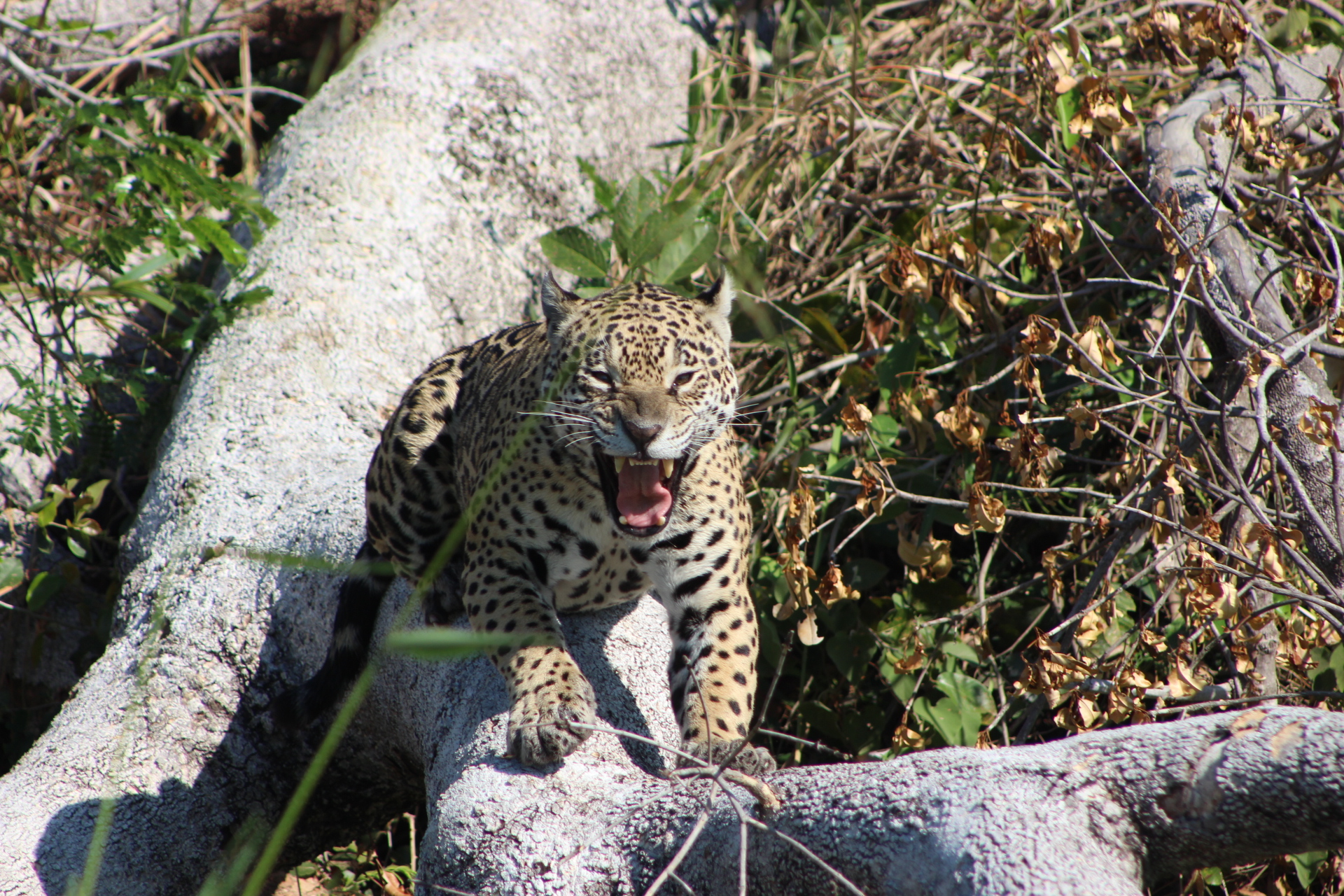
Prepare for your photographic safari in the Northern Pantanal. Discover the wildlife, flora, and best times to visit for an unforgettable experience.
Brazil’s Northern Pantanal stands as one of the planet’s most impressive wildlife sanctuaries, a dream destination for any nature photography enthusiast. This vast wetland, a UNESCO World Heritage site, offers unparalleled biodiversity and breathtaking scenery, making it the perfect setting for an unforgettable photographic safari. The opportunity to capture images of iconic species in their natural habitat attracts photographers from all over the world.
The experience of a photographic safari in the Northern Pantanal goes beyond simple observation; it is a deep immersion into a vibrant and dynamic ecosystem. From the majesty of the jaguar to the diversity of exotic birds, every corner of this natural paradise presents a unique opportunity for the lens. Careful planning and knowledge of the environment are key to maximizing photographic potential and embarking on an adventure that will endure in memory and on film.
Best Time for a Photographic Safari in the Northern Pantanal
Choosing the time of year is crucial for optimizing a photographic safari in the Northern Pantanal. The dry season, generally from May to October, is ideal for photography. During these months, water levels recede, concentrating wildlife in the remaining water bodies and denser vegetation areas, which greatly facilitates sightings and provides cleaner backgrounds for images. Abundant sunlight also favors shots. In contrast, the rainy season (November to April) can present logistical challenges and reduced visibility of certain animals, although it offers lush landscapes and unique opportunities to photograph migratory birds and the exuberance of the jungle.
Key Wildlife and Points of Interest for Your Photographic Safari
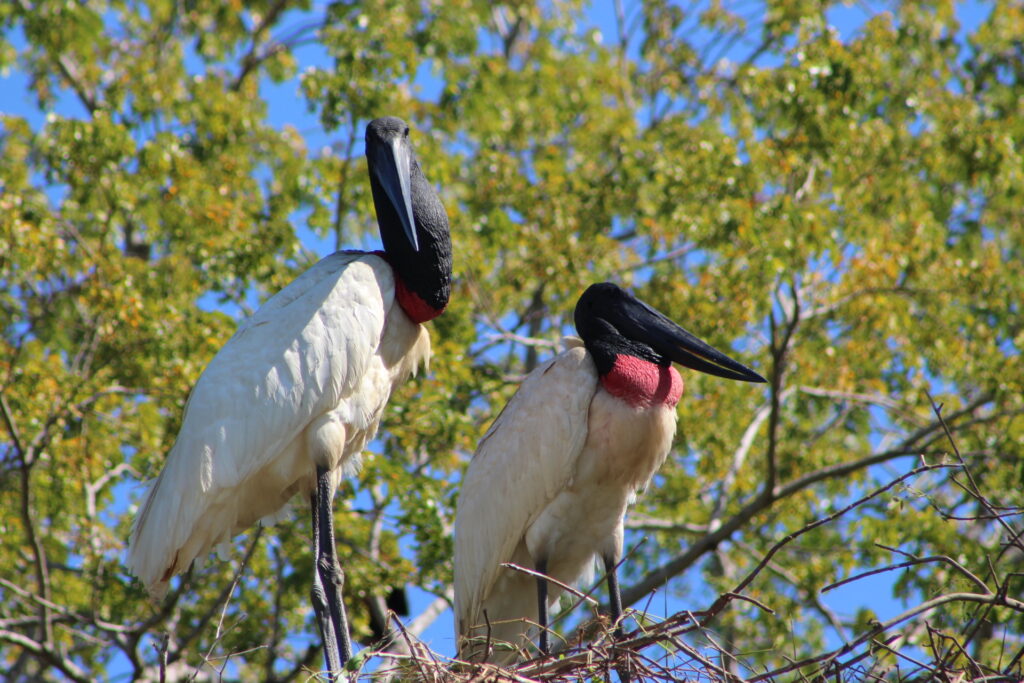
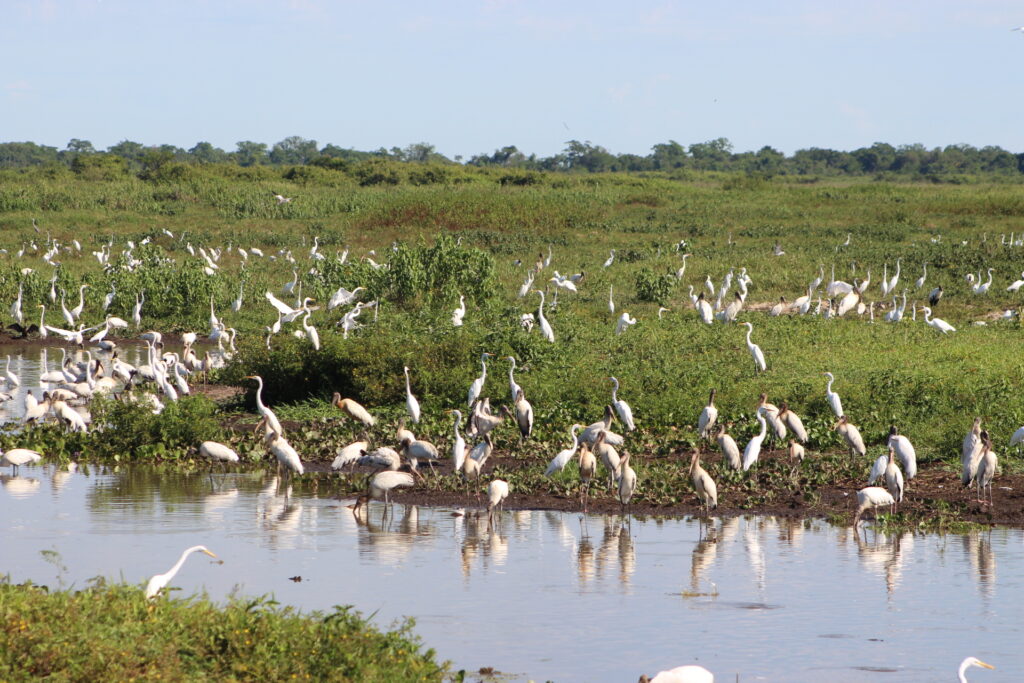
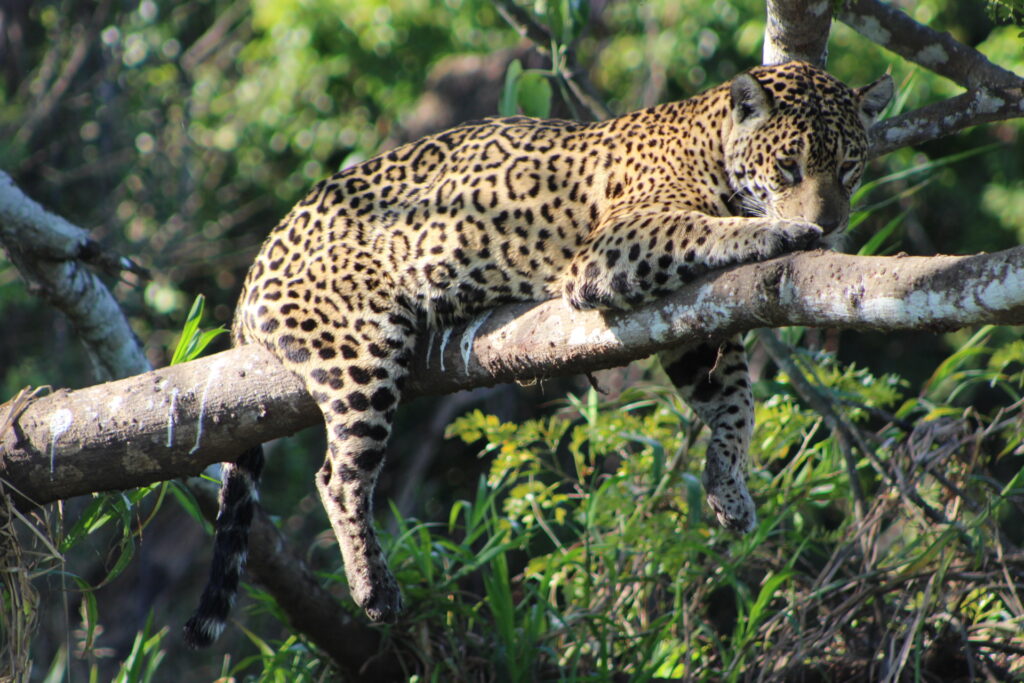
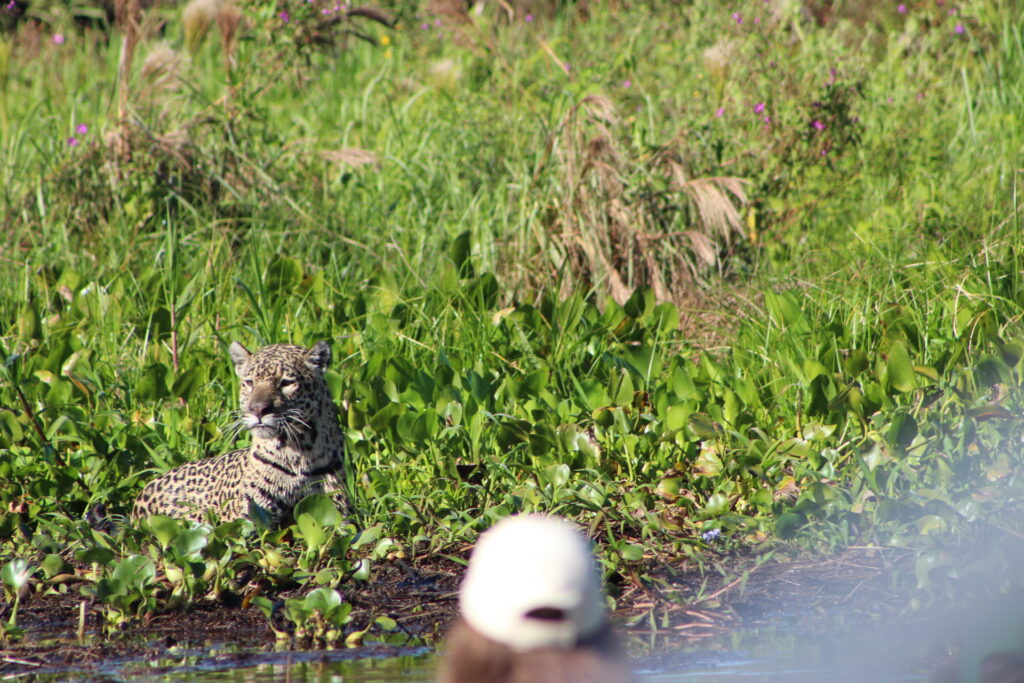
The Northern Pantanal is a magnet for wildlife, and for a photographic safari, certain species are the undisputed stars. The jaguar, the largest cat in the Americas, is the great desire of many photographers. Areas around the Cuiabá River and its tributaries are known hotspots for sightings, especially during the dry season. Other iconic inhabitants include the capybara, the world’s largest rodent, often seen in large groups near water; the black caiman, with its piercing eyes emerging from the water; and an astonishing variety of birds, from the colorful-billed toucan to the imposing jabiru, Brazil’s national bird. Observing these animals in their natural environment, whether in the flooded savannas, gallery forests, or winding rivers, offers unparalleled photographic opportunities.
The ecosystems within the Northern Pantanal vary, and each offers distinct photographic opportunities. The “bañados” (wetlands) are perfect for capturing caimans, giant otters, and water birds. The “cerrados” (open savannas) allow for sightings of terrestrial mammals like the marsh deer and giant anteater, in addition to offering wide views for landscapes. The dense, green gallery forests are home to monkeys, sloths, and a large number of birds, though they require patience and skill to photograph in dimmer light conditions. The diversity of habitats ensures that each safari day presents new scenes and subjects for your lens.
Exploring the Northern Pantanal means delving into a tapestry of wildlife where interspecies interaction is constant. In addition to those already mentioned, it is not uncommon to find tapirs, peccaries, short-eared dogs, and a myriad of reptiles. The waters teem with fish, attracting fishing birds like herons, kingfishers, and harpy eagles. Every outing, whether by 4×4 vehicle, canoe, or on foot, offers the possibility of a close encounter and a spectacular shot. The key lies in patience, observation, and knowledge of these animals’ habits.
- Camera and Lenses: A digital SLR or mirrorless camera capable of burst shooting and good high-ISO performance. Telephoto lenses (300mm or more) are essential for distant wildlife, while a wide-angle lens can be useful for landscapes and general scenes.
- Tripod or Monopod: To stabilize the camera, especially in low-light conditions or when using long telephoto lenses, and to prevent blurry photos.
- Extra Batteries and Memory Cards: Never run out of power or storage space.
- Filters: A polarizing filter can enhance skies and reduce water glare.
- Cleaning Kit: To keep your lenses and sensors free of dust and splashes.
- Binoculars: To identify wildlife at a distance before focusing with the camera.
- Weather Protection: Waterproof covers for the camera and equipment, as well as appropriate clothing for heat and humidity.
| Aspect | Northern Pantanal | Southern Pantanal |
|---|---|---|
| Main Focus | Wildlife viewing, especially jaguars, caimans, and birds. Greater emphasis on the photographic safari experience. | More diverse nature tourism, including landscapes, local culture, and activities like horseback riding. Less focused on intensive wildlife photography. |
| Jaguar Sightings | Considered one of the best places in the world to see jaguars, with high chances of sightings at certain times. | Possibility of seeing jaguars, but less frequently and with lower probability than in the North. |
| Accessibility and Logistics | Generally accessed via Cuiabá (MT). Requires longer transfers and is often done in 4×4 vehicles or boats. | Mainly accessed via Campo Grande (MS). More direct and accessible routes for conventional vehicles. |
| Cost | Can be slightly more expensive due to logistics and specialized focus on photographic safaris. | Tends to be a bit more economical, offering a wider range of accommodation and activity options. |
| Tourist Infrastructure | Variety of high-quality lodges, pousadas, and hotel boats designed for photographers. | Good infrastructure with rural inns, fazendas, and lodges, though perhaps less specialized in photography. |
- Research and Plan in Advance: Book your accommodation and tours months in advance, especially if traveling during peak season.
- Hire Expert Guides: Local guides know the best spots and times for wildlife sightings, maximizing your photographic opportunities.
- Be Patient and Persistent: Wildlife photography requires patience. Don’t get discouraged if you don’t see what you expect immediately.
- Respect Wildlife and the Environment: Maintain a safe distance, avoid loud noises, and do not feed the animals. Follow your guide’s instructions.
- Take Advantage of the Light: The golden hours (sunrise and sunset) offer the best light for photography.
- Prepare Your Equipment: Ensure your camera and lenses are clean and in perfect working order before each outing.
- Be Flexible: Wildlife sightings are unpredictable. Keep an open mind and enjoy the surprises the Pantanal has in store for you.
Frequently Asked Questions about Photographic Safaris in the Northern Pantanal
Traveling to the Northern Pantanal for a photographic safari involves some common questions that are important to resolve for a smooth and rewarding experience. From the best time to capture spectacular images to the necessary precautions, being well-informed is key to making the most of this unique natural adventure.
This section is designed to clarify travelers’ most frequent concerns, covering essential aspects such as seasonality, accommodation, the need for guides, and health and safety measures. Knowing these details will allow you to plan your trip effectively and fully enjoy the incredible biodiversity of the Northern Pantanal.
What is the best time to see jaguars on a photographic safari in the Northern Pantanal?
The ideal season for spotting jaguars in the Northern Pantanal, and therefore for a photographic safari focused on them, is during the dry season, which generally runs from May to October. During these months, the water levels of rivers and wetlands drop significantly. This forces jaguars to congregate on riverbanks in search of water and prey, drastically increasing sighting opportunities, especially from boats along rivers like the Cuiabá and its tributaries.
In addition to facilitating sightings, the dry season offers more favorable lighting conditions for photography. Skies are usually clear, and vegetation, while still green, is less dense in some areas, allowing for better framing. Although it is possible to see jaguars at other times, the combination of high sighting probability and optimal photographic conditions makes the dry season the preferred choice for photographers seeking to capture this majestic feline.
What type of accommodation is common for a photographic safari in the Northern Pantanal?
The Northern Pantanal offers a variety of accommodation options designed to maximize the photographic safari experience. Jungle lodges are the most popular choice, offering comfort and direct access to wildlife viewing areas. Many of these lodges are equipped with observation decks, private boats, and guides specializing in photography, making them ideal for photographers. They typically have private rooms, good cuisine, and staff attentive to visitors’ specific needs.
Another attractive alternative is hotel boats or “floating hotels.” These travel along the Pantanal’s rivers, providing the opportunity to follow wildlife along the banks and access remote areas not easily reachable from land. For those seeking a more rustic and authentic experience, rural inns (fazendas) are also an excellent option, although they may require more travel for safari activities. Regardless of the choice, most accommodations in the Northern Pantanal are geared towards offering a complete immersion in nature.
Is it necessary to hire a guide for a photographic safari in the Northern Pantanal?
Hiring an expert local guide is highly recommended, almost essential, for a photographic safari in the Northern Pantanal. These professionals possess in-depth knowledge of the ecosystem, wildlife habits, and the best locations and times for sightings. Their ability to spot camouflaged or hidden animals, which would go unnoticed by an inexperienced eye, is crucial for maximizing photographic opportunities.
In addition to their expertise in locating wildlife, guides ensure the photographer’s safety in a wild and often unpredictable environment. They can interpret animal behavior, advise on the most suitable framing, and manage the logistics of travel by vehicle or boat. Their experience not only enriches the visual experience but also optimizes time and resources, ensuring that every moment in the Pantanal translates into the greatest possible number of quality images.
What health and safety precautions should I take before and during my photographic safari in the Northern Pantanal?
Before your trip, it is essential to consult your doctor about recommended vaccinations, especially against yellow fever, and consider malaria prophylaxis, depending on the specific area and time of year. Bring a good insect repellent with DEET or picaridin to protect yourself from mosquitoes and other insects, which can be abundant, especially at dawn and dusk. Don’t forget a basic first-aid kit with personal medications, painkillers, antihistamines, and supplies for minor wound care.
During the safari, always stay hydrated by drinking bottled or treated water. Use high-spectrum sunscreen, a hat, and light long-sleeved clothing to protect yourself from the intense sun. Always follow your guide’s safety instructions: do not stray from paths or boats, maintain a safe distance from wild animals, and avoid touching unknown plants. Caution and respect for the natural environment are key to a safe and enjoyable experience.