PT
PT  EN
EN  ES
ES 
Plan your birdwatching trip to the Pantanal of Mato Grosso. We tell you the ideal season for bird observation.
The Pantanal of Mato Grosso, a vast wetland of global importance, stands as one of the most fascinating destinations for nature lovers and, in particular, for birdwatching enthusiasts. Its avian biodiversity is astonishing, offering a unique spectacle of colors, songs, and behaviors that attract birdwatchers from all over the planet. The experience of birdwatching in this natural paradise is not just about spotting species, but about immersing oneself in a vibrant and dynamic ecosystem.
Understanding the particularities of the Pantanal, especially its seasonal cycles, is fundamental to planning a successful birdwatching expedition. Each time of year presents distinct opportunities and challenges, directly influenced by the climate and water levels. Adapting the visit to these cycles maximizes the chances of memorable encounters with the rich avifauna that inhabits this ecological sanctuary.
The Pantanal Seasons: Climate and its Impact on Birds for Birdwatching
The Pantanal of Mato Grosso is characterized by two main seasons that dictate the rhythm of its wildlife: the dry season and the rainy season. The dry season, generally from May to September, brings clear skies, more moderate temperatures, and a noticeable decrease in water levels. Rivers and lagoons shrink, concentrating wildlife, including birds, around the remaining water sources. This concentration facilitates observation, as many species gather to feed and drink, making their location more predictable.
On the other hand, the rainy season, from October to April, transforms the landscape. Intense rainfall drastically raises water levels, flooding vast areas and creating a mosaic of wetlands and grasslands. While this can make access to certain areas difficult, it also stimulates the reproduction of many bird species and attracts migratory birds. The abundance of water and emergent vegetation creates new habitats and food sources, diversifying sighting opportunities, although it requires more specialized logistical arrangements for travel.
The interconnection between climate and food availability is crucial for birdwatching in the Pantanal of Mato Grosso. During the dry season, water scarcity concentrates fish, insects, and amphibians, attracting predators and birds that feed on them, such as herons, jabirus, and eagles. In the rainy season, the proliferation of insects and the flowering of certain plants attract nectarivorous and frugivorous birds, in addition to facilitating the nesting and breeding of waterfowl that take advantage of the extensive bodies of water to protect their young.
Best Time for Birdwatching in Pantanal Mato Grosso: Detailed Guide
The choice of the ideal time for birdwatching in the Pantanal of Mato Grosso largely depends on the observer’s priorities. However, the period from May to October, corresponding to the dry season, is universally considered the most conducive. During these months, the reduced water levels concentrate wildlife in more accessible areas, facilitating spectacular sightings of iconic birds such as the tuiuiú (jabiru), various species of macaws, chajá, and a wide variety of herons and ducks.
Between May and July, conditions are exceptional. The weather is cool and dry, and wildlife congregates around the lagoons and rivers that still hold water. It is an excellent time to observe birds of prey and waterfowl. Species like the crested eagle and the caracara are frequent, as is the majestic jabiru. Visibility is high, and access to observation areas is usually easier.
From August to September, the Pantanal continues to offer fantastic opportunities. The landscape becomes drier in some areas, but the concentration of birds at water sources remains. It is an ideal period to observe terrestrial and migratory birds that may be preparing for their journeys. Blue-and-yellow macaws are particularly active, and it may be possible to spot the rare yellow cardinal in specific areas.
Although the dry season is preferred, the transition to the rainy season (October and November) can be surprisingly fruitful. The first rains revitalize the vegetation and attract insects, which in turn attract insectivorous birds. Furthermore, many species begin their mating and nesting rituals. Bird diversity can increase, and the landscape takes on an exuberant beauty, although access may become more challenging due to the rains.
| Season | Approximate Months | Water Level | Climate | Bird Availability | Featured Species | Ease of Access |
|---|---|---|---|---|---|---|
| Dry Season | May – October | Low | Dry, cool, sunny | High concentration at water points | Jabiru, Blue-and-Yellow Macaw, Herons, Eagles | High |
| Dry-Rainy Transition | October – November | Increasing | Warm, with sporadic rains | Increase in insectivorous and aquatic birds, nesting begins | Migratory birds, breeding species | Moderate to High |
| Rainy Season | December – April | High (flooding) | Warm, humid, intense rains | High diversity, waterfowl and wetland birds | Ducks, herons, wetland birds, insectivorous birds | Moderate (depends on the area) |
| Rainy-Dry Transition | April | Decreasing | Warm, humid, waning rains | Concentration of birds in remaining lagoons | Variety of waterfowl and terrestrial birds | High |
Essential Tips for Your Birdwatching Adventure in the Pantanal
For an unforgettable birdwatching experience in the Pantanal of Mato Grosso, preparation is key. The right equipment can make the difference between a fleeting glimpse and a detailed observation. High-quality binoculars (minimum 8×42 or 10×42) are highly recommended, and if possible, a spotting scope for observing birds at greater distances or fine details. A camera with a good zoom lens is ideal for capturing the beauty of the avifauna. Neutral-colored, quick-drying clothing, a hat, sunscreen, and insect repellent are essential.
Hiring expert local guides is highly recommended. These professionals not only possess in-depth knowledge of species, their habitats, and behaviors but also know the best routes and optimal times for observation. Their expertise facilitates the location of elusive birds and ensures safe navigation through the complex terrain of the Pantanal. Furthermore, they support the local economy and contribute to the conservation of the area.
The best times of day for birdwatching are typically dawn and dusk. During these hours, birds are most active, seeking food and vocalizing. Dawn offers soft, golden light, perfect for photography, while dusk provides an opportunity to see nocturnal or crepuscular birds emerging. Being patient and attentive to the sounds of the environment will maximize your chances of discovering the rich avifauna of the Pantanal.
Frequently Asked Questions about Birdwatching in the Pantanal
The Pantanal of Mato Grosso is a dream destination for birdwatchers, and it’s natural to have questions. Here we address some of the most common ones to help you plan your trip and maximize your birdwatching experience in this unique ecosystem.
What birds can be seen in the Pantanal during the peak birdwatching season?
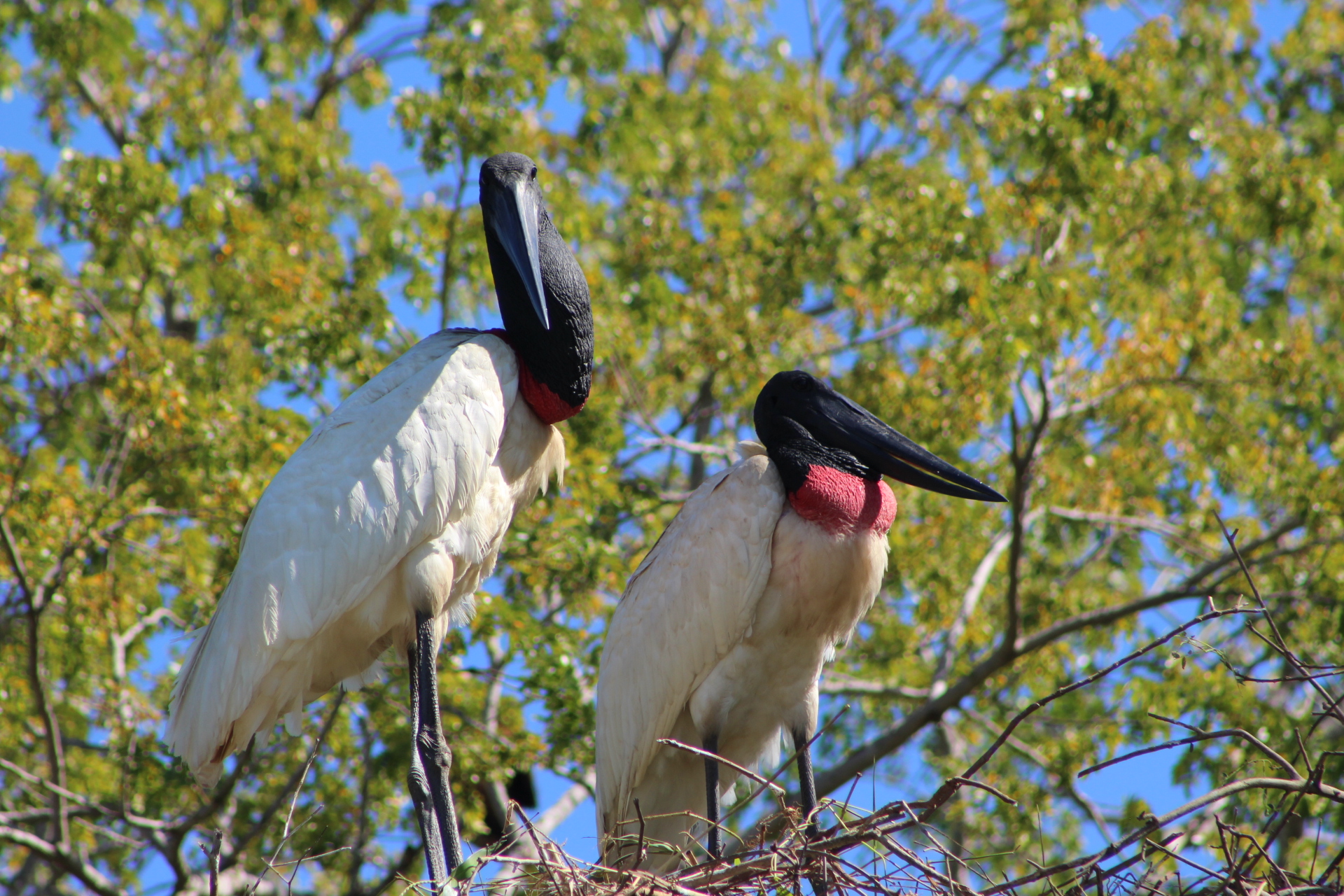
During the peak birdwatching season in the Pantanal, especially between May and September, opportunities to spot iconic species are abundant. The undisputed king is the tuiuiú (jabiru), the symbol bird of the Pantanal, easily recognizable by its large size and red neck. It is also the ideal time to see the majestic blue-and-yellow macaw, whose colorful pairs soar through the skies. The diversity of herons is impressive, including the great egret, reddish egret, and blue heron, often seen fishing on the banks of rivers and lagoons.
Other notable species include the chajá, with its peculiar call and crest, and a wide variety of waterfowl such as the muscovy duck and the ringed teal. Birds of prey are also prominent, with the presence of the crowned eagle and the caracara. Attentive observers may even be lucky enough to spot the elusive yellow cardinal or the colorful toucan barbet. The concentration of birds at water sources during the dry season facilitates the observation of many of these species in a single day.
Is it necessary to hire a guide for birdwatching in the Pantanal?
While not strictly mandatory, hiring an expert local guide is highly recommended for an optimal birdwatching experience in the Pantanal. Guides possess invaluable knowledge about the local avifauna, including their habits, vocalizations, and the best locations to find them. Their expertise can facilitate species identification, especially for those that are difficult to distinguish or camouflage well in their environment.
In addition to their birdwatching expertise, local guides are essential for safe navigation in the complex and often vast territory of the Pantanal. They know the safe routes, the less-traveled paths, and the most favorable times of day for observation. Their accompaniment not only enriches the experience with detailed information about local ecology and culture but also contributes to a more productive and safe visit, allowing you to focus on enjoying nature.
What is the difference between birdwatching in the Pantanal and other destinations in Brazil?
The Pantanal of Mato Grosso distinguishes itself from other Brazilian destinations, such as the Amazon or the Atlantic Forest, primarily due to the concentration and accessibility of its avifauna. While the Amazon hosts immense avian biodiversity but is often elusive in the dense jungle, the Pantanal, with its vast open plains and wetlands, allows for more direct and massive sightings of many species, especially during the dry season.
The Pantanal’s diversity of habitats, which includes savannas, forests, and extensive bodies of water, attracts a unique mix of aquatic, terrestrial, and savanna species. This combination, along with the ease of observation offered by its open landscapes, makes it a world-class birdwatching destination. Unlike the Atlantic Forest, which is more fragmented and has more forest-endemic species, the Pantanal offers a more focused experience on wetland birds, raptors, and large wading birds, with often superior visibility.
What should I pack for a birdwatching experience in the Pantanal?
For a birdwatching expedition in the Pantanal of Mato Grosso, it is crucial to bring the right equipment to maximize comfort and sighting opportunities. Good quality binoculars (8×42 or 10×42 are ideal) are indispensable for observing birds at a distance. Also consider a spotting scope if you seek greater detail. A camera with a good zoom lens will allow you to capture unforgettable memories.
Regarding clothing, opt for lightweight, neutral-colored (greens, browns, khakis) quick-drying fabrics to avoid scaring birds. Include long pants and long-sleeved shirts to protect yourself from the sun and insects. Don’t forget a wide-brimmed hat, sunglasses, high-factor sunscreen, insect repellent, and comfortable, waterproof footwear. A small backpack to carry water, snacks, and your equipment during excursions will also be very useful.