PT
PT  EN
EN  ES
ES 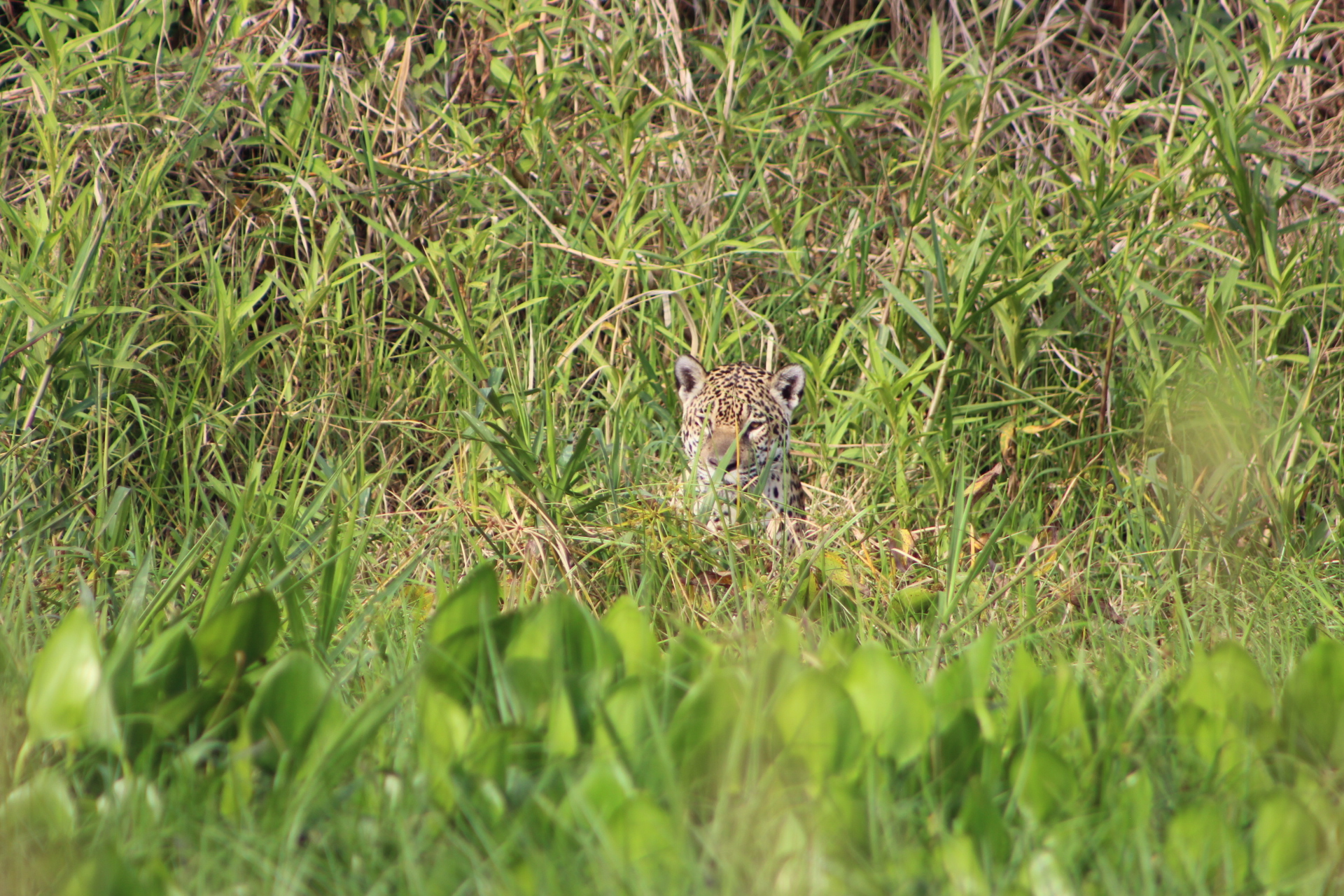
The Northern Pantanal, a vast Brazilian wetland, is globally renowned for its biodiversity and the unique opportunity to observe wildlife in its natural habitat. While daytime safaris offer a spectacular glimpse of this ecosystem, the experience transforms radically after nightfall. The Night Pantanal unveils a different world, populated by creatures that only emerge under the starry sky, offering a completely new and fascinating perspective of nature.
The Northern Pantanal, a vast Brazilian wetland, is globally renowned for its biodiversity and the unique opportunity to observe wildlife in its natural habitat. While daytime safaris offer a spectacular glimpse of this ecosystem, the experience transforms radically after nightfall. The Night Pantanal unveils a different world, populated by creatures that only emerge under the starry sky, offering a completely new and fascinating perspective of nature.
Venturing into the Northern Pantanal at night is embarking on a sensory adventure. The sounds of the jungle come alive in a way the day does not allow, and the atmosphere becomes charged with mystery and anticipation. A night safari is not just an opportunity to see animals, but to connect with the wildest and most primitive essence of this incredible biome, an experience that will remain etched in the memory of any nature lover.
Why Go on a Night Safari in the Northern Pantanal?
Going on a night safari in the Northern Pantanal offers a radically different perspective than a daytime excursion. The activity of many species changes drastically with sunlight; some creatures are typically nocturnal, while others become more active and visible at dusk. This duality allows for the observation of animals that remain hidden or inactive during the day, opening up a range of possibilities for sightings. The stillness of the night, broken only by the sounds of the fauna, creates an atmosphere of deep immersion in nature, where every rustle or movement can be the prelude to a memorable encounter.
The sensory experience of a night safari is incomparable. Sounds are amplified: the croaking of frogs, the calls of nocturnal birds, the whisper of the wind through the vegetation, and, with luck, the sounds of large mammals moving in the darkness. The absence of direct sunlight intensifies the perception of other senses, sharpening eyesight to catch the glint of eyes in the dark and keeping hearing constantly alert. The atmosphere becomes magical, charged with mystery and the thrill of the unknown, transforming the familiar landscape of the Pantanal into a wild and enigmatic setting.
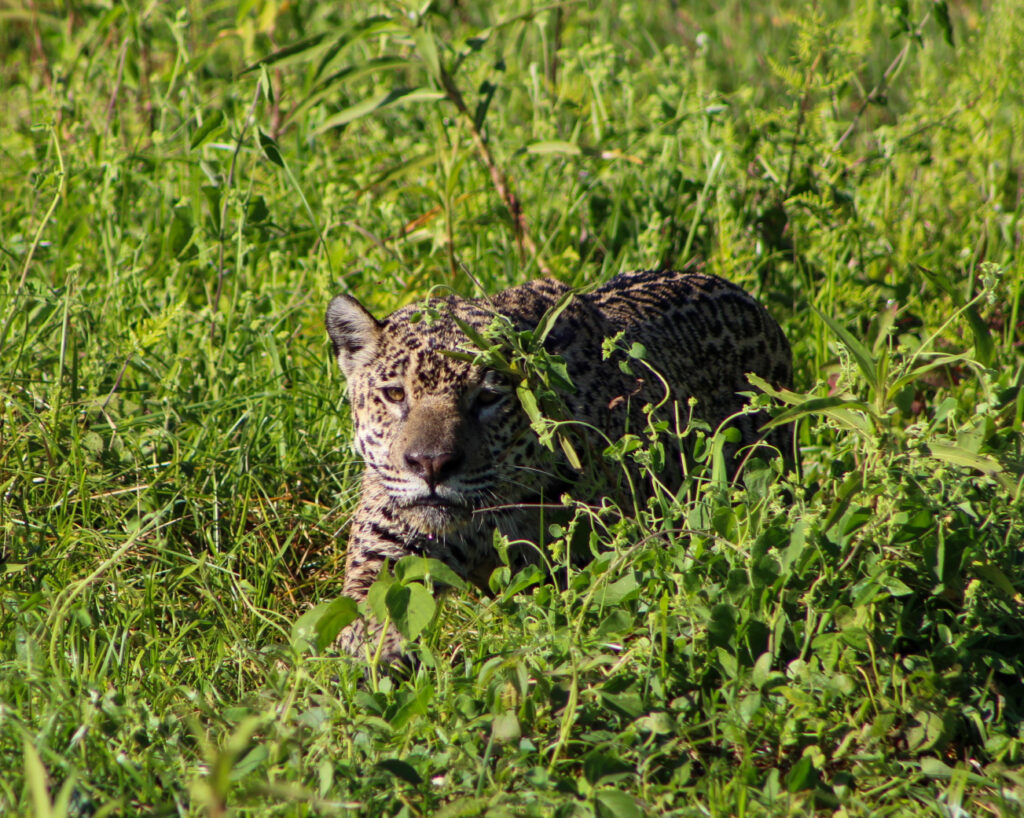
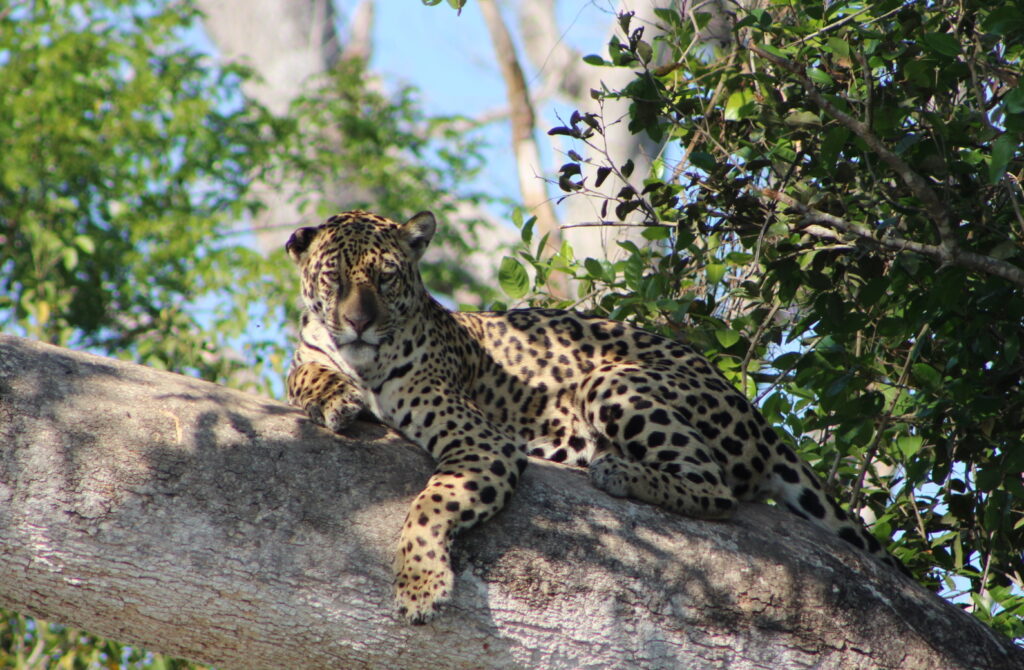
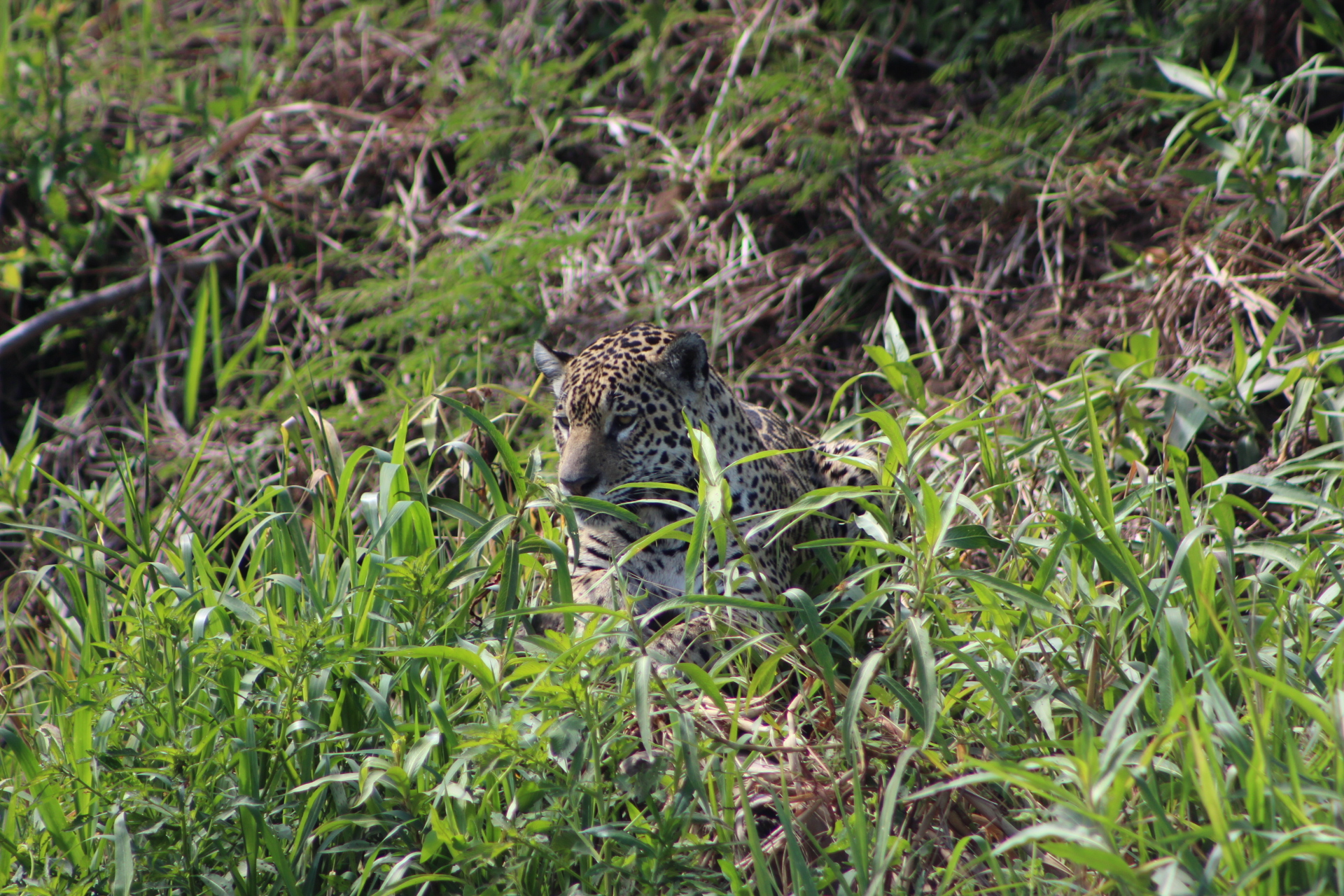
The most common animals that can be spotted during a night safari include a variety of species adapted to life under the moon. It’s an excellent opportunity to observe caimans, whose eyes shine in the light of the guides’ flashlights, capybaras foraging on the banks, and a diversity of nocturnal birds such as owls and barn owls. Although less frequent, the excitement of a possible sighting of a jaguar or puma during their twilight or nocturnal activity adds an extra appeal to this experience.
- Caimans
- Capybaras
- Marsh Deer
- Ocelots
- Jaguars (rare)
- Nocturnal birds (owls, barn owls)
- Skunks
- Bats
Best Time to Go and How to Prepare for Your Night Safari
Choosing the right time of year is crucial to maximize your chances of success on a night safari in the Northern Pantanal. While wildlife viewing is possible year-round, the dry seasons (approximately May to September) are generally the most recommended. During these months, water levels drop, concentrating animals around remaining water sources, making them easier to locate. Additionally, the weather is milder, making nights more comfortable for expeditions. The rainy season, on the other hand, can present logistical challenges but also offers lush landscapes and unique opportunities for spotting amphibians and water birds.
Proper preparation is essential to fully enjoy your night safari and ensure your safety and comfort. Clothing should be lightweight, in neutral colors (avoiding white and bright colors that can scare animals away), and long-sleeved to protect you from insects and the night chill. A good insect repellent is indispensable, especially at dusk and during the night. As for equipment, a powerful flashlight with a red light (to avoid disturbing animals) is essential, as is a camera with good low-light capability or a tripod if you plan on night photography. Don’t forget water and perhaps a small snack.
- Research and choose tour operators with good reputations and experienced guides.
- Book your tour in advance, especially during peak season.
- Pack long-sleeved shirts and long pants in neutral colors.
- Bring a good insect repellent and sunscreen.
- Ensure you have a powerful flashlight, and if possible, one with a red light filter.
- If you are a photography enthusiast, bring your camera with suitable low-light lenses and, if possible, a tripod.
- Don’t forget binoculars for better viewing.
- Bring water and a light snack.
- Inform your guide about any medical conditions or special needs.
- Maintain an attitude of respect towards wildlife and the environment.
| Feature | Classic Night Tour | Night Photography Tour | Extended Night Tour | Private Night Tour |
|---|---|---|---|---|
| Duration | 3-4 hours | 4-5 hours | 6-8 hours (with possible overnight stay) | Flexible (to be agreed) |
| Focus | General wildlife viewing | Photography optimization (long stops, lighting) | Greater exploration, search for rare species | Personalized experience according to interests |
| Group Size | 6-10 people | Maximum 4 people | Maximum 6 people | Maximum 4 people |
| Estimated Price (USD) | $60 – $100 | $120 – $200 | $250 – $400 | $300 – $600+ |
| Includes Photography Equipment | No | Yes (optional, with additional cost) | No | No |
Tips for Successful Sightings on Your Night Safari
Patience is undoubtedly the most important virtue on a night safari. Nature operates at its own pace, and haste is not an ally. It is essential to trust your guide’s experience, as they know the animals’ habits and the best places to find them. Remain calm and quiet; unnecessary noises can scare away wildlife or alter their natural behavior. Observe your surroundings attentively and listen to the sounds of the night, as they are often the first clues to an animal’s presence.
Proper use of flashlights is crucial. Use the main light only when necessary to identify an animal or for safety. Ideally, use a flashlight with a red light filter, as this wavelength interferes less with the animals’ night vision and behavior. Avoid pointing the light directly into animals’ eyes for prolonged periods, as it can cause them stress. Remember that you are in their home, and respect for their space and well-being is paramount. Always follow your guide’s instructions on when and how to use your flashlight.
Respect for wildlife and the ecosystem is the golden rule. Maintain a prudent distance from animals, do not attempt to feed or touch them, and leave no trace of your visit. Guides are trained to interpret animal behavior and ensure that interactions are safe and non-invasive. Participating in a night safari is a privilege that carries the responsibility of protecting this fragile environment for future generations. Enjoy the magic of the Pantanal night with your eyes wide open and your heart receptive to the wonder surrounding you.
Frequently Asked Questions about Night Safaris in the Northern Pantanal
Here we answer some of the most common questions to help you plan your nocturnal adventure in the Northern Pantanal and ensure your experience is as enriching and safe as possible.
What animals can I expect to see on a night safari in the Northern Pantanal?
During a night safari in the Northern Pantanal, the possibilities for sightings are diverse and exciting. Reptiles are prominent: caimans and yacarés are very common, and their eyes shine brightly when illuminated by flashlights, making them easy to spot along rivers and lagoons. Capybaras, the world’s largest rodents, are often seen grazing near the water. It’s also possible to encounter various mammal species such as foxes, coatis, tayras, and, with a lot of luck and in the right areas, the elusive jaguar or puma. Nocturnal birds, like owls and barn owls, are also spotted during their hunting activities.
In addition to mammals and reptiles, the night reveals a world of fascinating insects and amphibians. The chorus of frogs and toads is a constant soundtrack to the Pantanal night. Depending on the location and season, you might see nocturnal monkeys like the howler monkey or the night monkey. The key to good sightings is to go with an experienced guide who knows the habits and territories of different species, and to have a bit of patience, as nature reveals itself when it’s ready.
Is it safe to go on a night safari in the Northern Pantanal?
Yes, night safaris in the Northern Pantanal are generally very safe, as long as they are conducted with reputable tour operators and experienced guides. These professionals are trained to navigate the terrain in the dark, know the behaviors of local wildlife, and understand how to maintain appropriate distances to ensure the safety of both visitors and animals. The boats and vehicles used are typically equipped for night travel, and guides carry powerful flashlights for identification and safety.
It is crucial to follow the guide’s instructions at all times. This includes staying seated within the vehicle or boat, not attempting to disembark without permission, not making loud noises or sudden movements, and not using bright lights inappropriately. Most animal encounters are peaceful if their space is respected. Guides are prepared to handle any unforeseen situations and prioritize the safety of all participants. Proper preparation, such as wearing repellent and appropriate clothing, also contributes to a safe and comfortable experience.
What equipment is essential for a night safari?
For a successful night safari in the Northern Pantanal, certain equipment is indispensable to maximize your chances of sightings and your comfort. A powerful flashlight is crucial; one with different light intensities is recommended, and if possible, a red light option to avoid disturbing wildlife. If you plan to photograph, a camera with good light sensitivity (high ISO) and fast lenses (wide aperture) will be very helpful. A tripod can be useful for stabilizing the camera in low-light conditions, although it may be less practical in moving vehicles.
In addition to photographic and lighting equipment, clothing plays an important role. Wear long-sleeved shirts and long pants, preferably in neutral colors and breathable materials to protect you from insects and the cool night air. A good insect repellent, especially one effective against mosquitoes and ticks, is absolutely essential. Don’t forget to bring water to stay hydrated and, if desired, binoculars for closer observation. Comfortable, closed-toe footwear is also recommended.
What is the difference between a daytime and a nighttime safari in the Northern Pantanal?
The main difference between a daytime and a nighttime safari in the Northern Pantanal lies in the wildlife that can be observed and the atmosphere of the experience. During the day, you have a clear view of the landscape and can spot animals active in the sun, such as capybaras, deer, monkeys, diurnal birds, and, with luck, jaguars basking in the sun. The light allows for easier photography and a general appreciation of the vast ecosystem.
The night safari, on the other hand, reveals a completely different world. It is the time when many predators and typically nocturnal creatures come out to hunt. Reptiles like caimans are easier to detect by the shine of their eyes, and mammals that hide during the day, such as ocelots or foxes, may be spotted. The sensory experience is more intense, with the sounds of the night taking center stage and an atmosphere of mystery and discovery. While the day offers a broad view, the night provides a deep immersion into the secret life of the Pantanal.