PT
PT  EN
EN  ES
ES 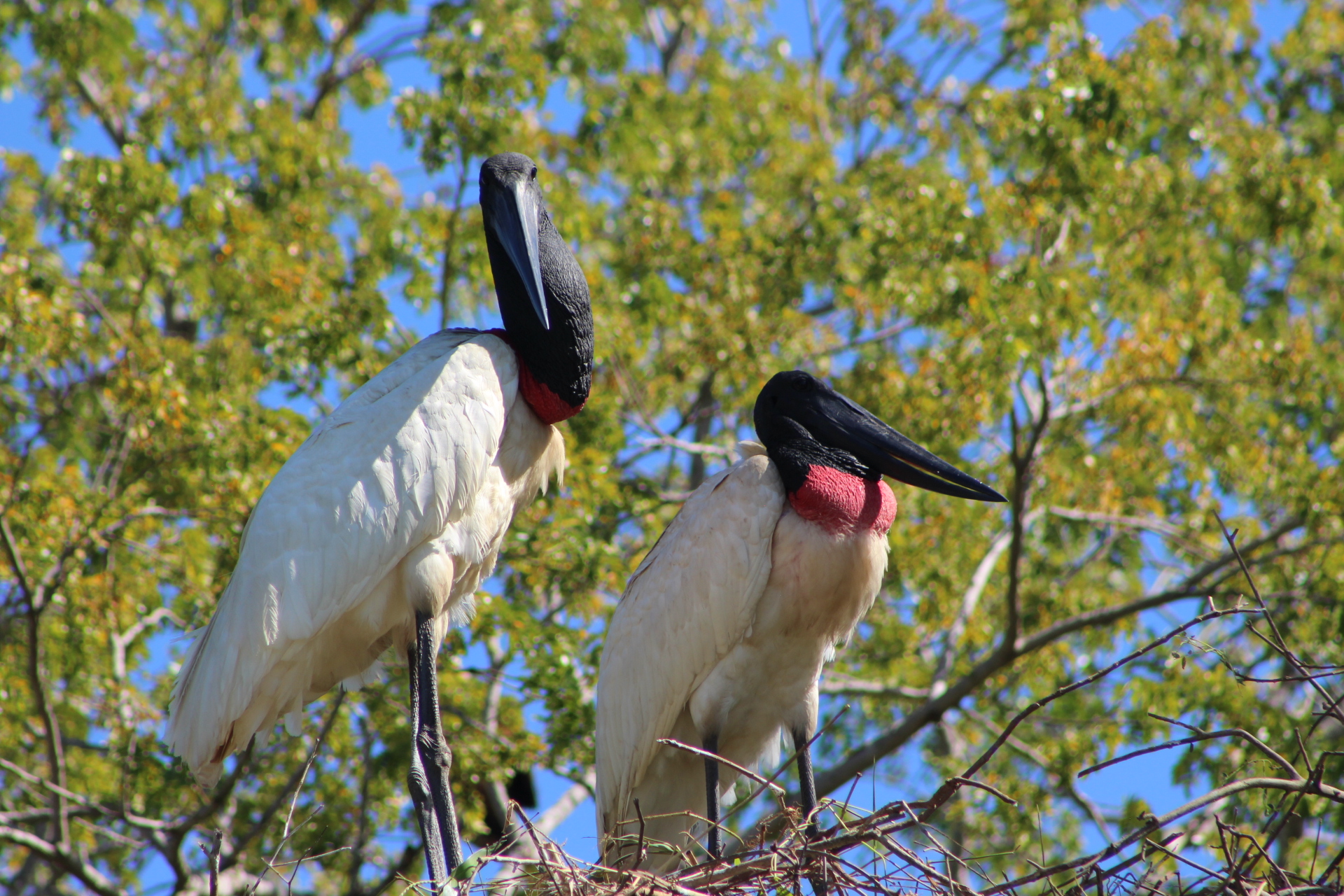
The Northern Pantanal in Mato Grosso is one of the planet's most impressive wildlife sanctuaries, especially for birdwatching. Planning your visit requires understanding its two distinct seasons: the rainy season (October-March) and the dry season (April-September). Each offers unique experiences and challenges for observing its rich avifauna.
The Northern Pantanal, located in the state of Mato Grosso, Brazil, stands as one of the most impressive wildlife sanctuaries on the planet. Its vast expanse of wetlands, savannas, and forests harbors astonishing biodiversity, particularly highlighted by the richness of its avifauna. For birdwatching enthusiasts, this region offers an unforgettable experience, allowing for the observation of hundreds of species in their natural habitat.
Planning a birdwatching expedition to this natural paradise requires careful consideration of the time of year. The Pantanal’s climate is divided into two distinct seasons: the rainy season and the dry season. Each presents unique conditions that directly influence bird activity, accessibility to observation areas, and the overall visitor experience. Choosing the right time can make the difference between casual observation and a spectacular encounter with Pantanal’s birdlife.
When to Plan Your Birdwatching Adventure in Northern Pantanal, Mato Grosso?
The Northern Pantanal in Mato Grosso is a world-class birdwatching destination, attracting observers from across the globe thanks to its unparalleled ornithological diversity. From majestic toucans and macaws to elusive hummingbirds and an astonishing array of waterbirds, the region promises memorable encounters. However, the experience of observing these winged wonders is intrinsically linked to the Pantanal’s climatic seasons. Choosing the right time to visit not only maximizes the chances of spotting a greater number of species but also ensures more comfortable access to the diverse ecosystems that make up this vast wetland.
Understanding the Pantanal’s annual cycle is fundamental for any birdwatching enthusiast. Environmental conditions, such as water levels, vegetation, and food availability, dictate the birds’ behavior patterns and distribution. Therefore, researching and planning your visit based on the most favorable season for bird observation will allow for a deeper and more rewarding immersion in this natural spectacle, ensuring your birdwatching adventure in Northern Pantanal, Mato Grosso, is as successful as it is unforgettable.
The Rainy Season and its Impact on Birdwatching in Northern Pantanal, Mato Grosso
The rainy season in the Northern Pantanal, generally spanning from October to March, radically transforms the landscape. During these months, intense rainfall floods vast expanses of land, creating a labyrinth of lagoons, rivers, and channels. This abundance of water is vital for the reproduction of many waterbird species and attracts a large amount of fauna in search of food and shelter. The landscapes become lush green, and the constant sound of nature provides an immersive soundtrack.
However, the rainy season presents significant challenges for birdwatching. Access to many areas becomes difficult or impossible due to flooding and road conditions. Ground observation activities can be limited, and boat trips become the primary way to explore. Visibility may decrease due to dense vegetation and weather conditions. Despite this, for some observers, the rainy season offers unique advantages, such as observing birds in their full breeding plumage and the opportunity to see species that depend on water bodies for survival, like herons and ducks in large congregations.
Despite the logistical difficulties, the rainy season can be surprisingly rewarding for the patient and prepared birdwatcher. The abundance of water encourages waterbird activity, and areas accessible by boat can offer spectacular sightings. The flora flourishes, and life in general intensifies, creating a vibrant atmosphere. It is a time to appreciate nature’s resilience and adapt to changing conditions, which can lead to unexpected discoveries and a deeper understanding of the Pantanal’s life cycle.
The Dry Season: The Ideal Time for Birdwatching in Northern Pantanal, Mato Grosso
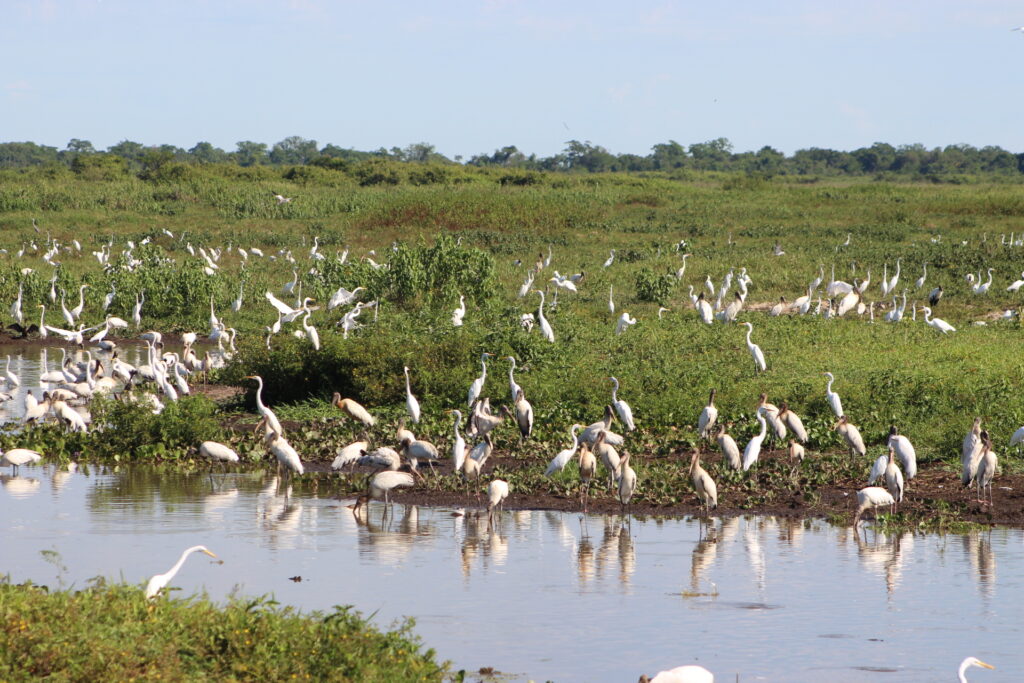
The dry season, which runs approximately from April to September, is widely considered the golden period for birdwatching in the Northern Pantanal in Mato Grosso. During these months, water levels drop dramatically, revealing extensive land areas and concentrating wildlife in the remaining water bodies and few marshy areas. This concentration of birds and other animals greatly facilitates their spotting and observation, making each day a promise of discovery.
The main advantage of the dry season is ease of access. Roads that are impassable during the rainy season become navigable, allowing exploration of a greater diversity of habitats, from open savannas to gallery forests. Waterbirds congregate in the lagoons and rivers that still hold water, forming spectacular flocks that are a delight for observers. Furthermore, less dense vegetation in many areas improves visibility, allowing birds to be observed at greater distances and in more detail.
This time of year is ideal for planning longer visits, as weather conditions are usually more stable, with sunny days and pleasant temperatures. The abundance of prey in smaller water bodies attracts predators such as the jabiru (tuiuiú), the Pantanal’s symbolic bird, and various raptor species. The combination of accessibility, bird concentration, and favorable weather conditions makes the dry season the preferred choice for those who wish to maximize their sightings and enjoy an unparalleled birdwatching experience in the Northern Pantanal in Mato Grosso.
| Time of Year | Main Characteristics | Birdwatching Advantages | Birdwatching Disadvantages | Featured Species |
|---|---|---|---|---|
| Rainy Season (October – March) | High rainfall, floods, lush vegetation. | Increased waterbird activity, breeding plumage, vibrant landscapes. | Limited access, reduced visibility, difficult movement. | Herons, ducks, storks, migratory waterbirds. |
| Dry Season (April – September) | Low water levels, wildlife concentration, stable climate. | Easy access, high visibility, large bird concentration, ideal for photography. | Less lush landscape, lower plant diversity. | Jabiru (Tuiuiú), macaws, toucans, raptors, migratory birds. |
Key Activities and Species for Birdwatching in Northern Pantanal, Mato Grosso
Birdwatching in the Northern Pantanal in Mato Grosso offers a variety of activities to explore its rich habitats. Boat trips along rivers and lagoons are essential, especially during the rainy season, providing opportunities to observe waterbirds, caimans, and capybaras up close. Guided walks along trails through different vegetation types, such as savannas and forests, are ideal for spotting terrestrial and arboreal species. Photo safaris, often conducted in 4×4 vehicles, allow access to more remote areas and observation of wildlife in its natural environment.
Among the iconic species every observer hopes to see is the Jabiru (Tuiuiú), the largest bird in the Pantanal, easily visible in wet areas year-round, but especially during the dry season when they gather to feed. The vibrant Blue-and-Yellow Macaws are an unforgettable sight, often seen in pairs or small groups flying over the forests. Toucans, with their colorful beaks, are common in wooded areas, and various species of Herons, such as the Snowy Egret and the Cocoi Heron, populate the water’s edges.
Other species that delight observers include the Kingfisher, the Neotropic Cormorant, various raptors like the Harpy Eagle (though more elusive) and the Southern Caracara. During the dry season, the concentration of waterbirds reaches its peak, facilitating the observation of thousands of individuals. Migratory birds also visit the Pantanal, especially during the colder months of the Northern Hemisphere, adding another layer of interest to the birdwatching experience in this exceptional region.
Frequently Asked Questions about Birdwatching in Northern Pantanal, Mato Grosso
Planning a birdwatching trip to the Northern Pantanal in Mato Grosso can raise several questions. Here we answer some of the most common ones to help you organize your trip in the best possible way and ensure your experience is fruitful and memorable. Knowledge about the region’s peculiarities and its natural cycles is key to maximizing your sightings.
Below, we address the most frequent doubts so that your birdwatching adventure in this natural paradise is a complete success, covering everything from the best time to visit to the essential equipment you should bring.
What is the best time of year to see the most birds in the Northern Pantanal?
The best time of year to see the most birds in the Northern Pantanal is undoubtedly during the dry season, which generally runs from April to September. During this period, water levels decrease significantly, forcing many bird species to congregate in the remaining water bodies, such as lagoons, rivers, and marshes. This concentration of wildlife greatly facilitates spotting and observation, as birds become more visible and accessible.
In addition to bird concentration, the dry season offers other advantages. Landscapes become more accessible for exploration, as roads flooded during the rainy season dry out. Less dense vegetation in many areas improves visibility, which is ideal for bird photography. Stable weather with sunny days and less rainfall also contributes to a more comfortable and productive experience for the birdwatcher.
Is it possible to go birdwatching in Northern Pantanal, Mato Grosso during the rainy season?
Yes, it is entirely possible to go birdwatching in the Northern Pantanal during the rainy season (approximately October to March), although it presents a different set of challenges and opportunities. While access may be more limited and visibility reduced in some areas, the abundance of water fosters an explosion of life, especially among waterbirds. Lagoons and wetlands expand, attracting large flocks of herons, ducks, storks, and other water-dependent species.
The rainy season is also a crucial time for the reproduction of many species, meaning you might observe birds in their vibrant breeding plumage and, with luck, see nests and young. Activities focus more on boat trips, allowing access to areas that would otherwise be inaccessible and observing wildlife from a unique perspective. The lush vegetation and transformed landscape offer a different but equally fascinating experience for the bird observer.
What equipment is essential for birdwatching in Northern Pantanal, Mato Grosso?
For a successful birdwatching experience in the Northern Pantanal in Mato Grosso, having the right equipment is essential. Good binoculars with 8×42 or 10×42 magnification are indispensable for observing birds at a distance with clarity. A camera with a telephoto lens (at least 300mm) will be invaluable for capturing images of the species you spot. Neutral-colored, quick-drying clothing, long pants, and long-sleeved shirts are recommended for protection against the sun and insects.
Don’t forget a wide-brimmed hat and sunscreen for sunny days. A good pair of hiking boots or sturdy footwear is necessary for walks. A highly effective insect repellent is crucial, especially at dusk and in humid areas. Finally, a field guide specific to the region or a mobile app will help you identify the species you encounter.
Is there a specific time to see migratory birds in the Northern Pantanal?
Yes, there are specific times when migratory birds are most likely to be seen in the Northern Pantanal. Most boreal migratory birds (coming from the Northern Hemisphere) arrive in the Pantanal during the dry season, which runs from April to September. During these months, the milder climate and greater availability of water and food resources in the Pantanal attract them as an important wintering ground.
Observers may find a greater variety of migratory birds, including shorebirds, raptors, and some passerine species, which use the Pantanal as a refuge and food source before undertaking their journey back north. Although some local migratory birds also move within the Pantanal in response to the rain and drought cycles, transcontinental migration is mainly concentrated in the dry season months, offering an additional opportunity for observation.