PT
PT  EN
EN  ES
ES 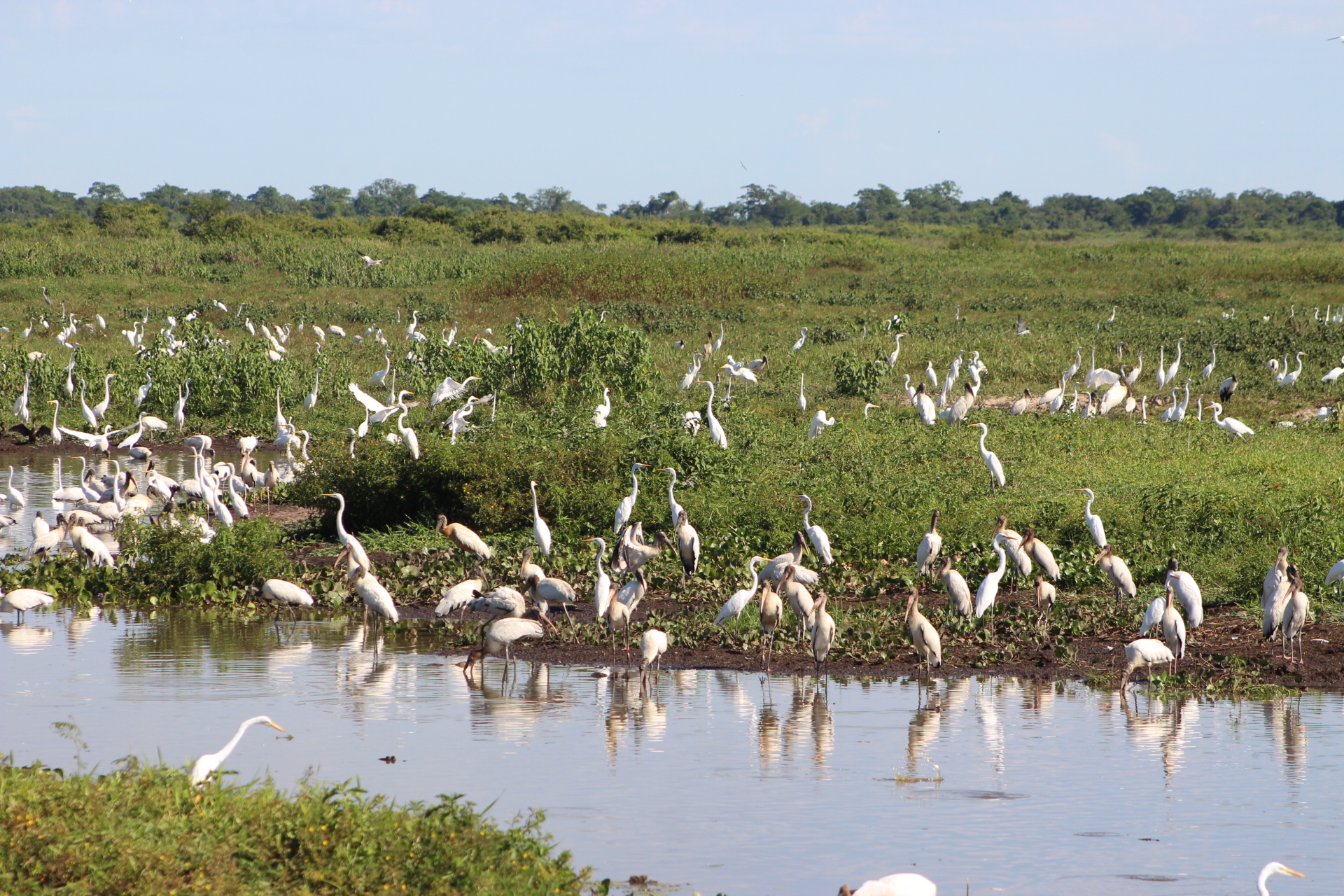
Plan your unforgettable 4-day adventure in the Northern Pantanal! Discover incredible wildlife, breathtaking landscapes, and essential tips for your trip.
The Northern Pantanal, a vast Brazilian wetland, stands as one of the world’s most impressive ecotourism destinations. Its rich biodiversity and lush landscapes make it a paradise for nature and adventure lovers. Planning a visit might seem overwhelming, but with the right information, a 4-day trip can be an unforgettable experience.
This ecosystem, recognized by UNESCO as a World Heritage Site and Biosphere Reserve, hosts an unparalleled concentration of wildlife. From jaguars to macaws and capybaras, the opportunity to spot animals in their natural habitat is extraordinarily high. A four-day stay allows you to immerse yourself in the essence of the Pantanal, exploring its wonders at a leisurely pace.
What to Do in the Northern Pantanal for 4 Days? Your Complete Guide
The Northern Pantanal, often overshadowed by its southern counterpart, offers an equally captivating ecotourism experience, with the added advantage of often being more accessible and less crowded. Located in the state of Mato Grosso, this wildlife sanctuary is a mosaic of rivers, lagoons, forests, and savannas that harbor astonishing biodiversity. For those with limited time, such as a 4-day getaway, the key is to optimize activities to maximize immersion in this unique ecosystem. This guide is designed to help you plan an efficient itinerary that allows you to experience the best of what the Northern Pantanal has to offer, from wildlife viewing to exploring breathtaking landscapes.
A 4-day trip to the Northern Pantanal is a window into a vibrant and wild natural world. The region is a prime destination for nature tourism, attracting visitors from all over the world interested in wildlife photography, birdwatching, and adventure in pristine environments. Careful planning is essential to make the most of each day, ensuring you connect with the essence of the Pantanal and return with indelible memories of its unparalleled beauty and abundant wildlife.
Unmissable Routes and Activities: What to Do in the Northern Pantanal for 4 Days
The essence of a visit to the Northern Pantanal lies in its ecotourism activities, designed to bring you closer to wildlife in a responsible and exciting way. Photo safaris, whether in 4×4 vehicles or speedboats, are the most popular way to explore the vast expanse of the wetland. These tours allow you to venture into different habitats, increasing the chances of spotting iconic animals like jaguars, capybaras, caimans, marsh deer, and an incredible variety of birds. Boat trips along the rivers and canals are another fundamental activity, offering unique perspectives and the opportunity to observe aquatic and riverside fauna, including giant otters and piranhas.
For bird lovers, the Northern Pantanal is a paradise. With over 650 recorded species, birdwatching is a primary activity. Places like Encontro das Águas State Park are famous for their concentration of scarlet macaws. Guided walks along nature trails allow you to discover local flora and observe more elusive animals that might go unnoticed from a vehicle or boat. Visiting traditional fazendas (farms) offers a glimpse into rural life and Pantanal culture, often combining wildlife viewing with authentic cultural experiences.
A suggested itinerary for 4 days could begin with arrival in Cuiabá or Campo Grande, followed by transfer to a pousada or fazenda in the Poconé or Barão de Melgaço region. Day 1 could be dedicated to a photo safari along the Transpantaneira, a scenic road that cuts through the heart of the Pantanal, with stops to observe wildlife. Day 2 could include a boat trip on the Pixaim or Cuiabá River to look for jaguars and caimans, followed by a sunset walk. Day 3 could focus on birdwatching and a visit to a local community. Finally, Day 4 would allow for a last morning of exploration before returning.
Fauna and Flora: Discovering the Biodiversity of the Northern Pantanal
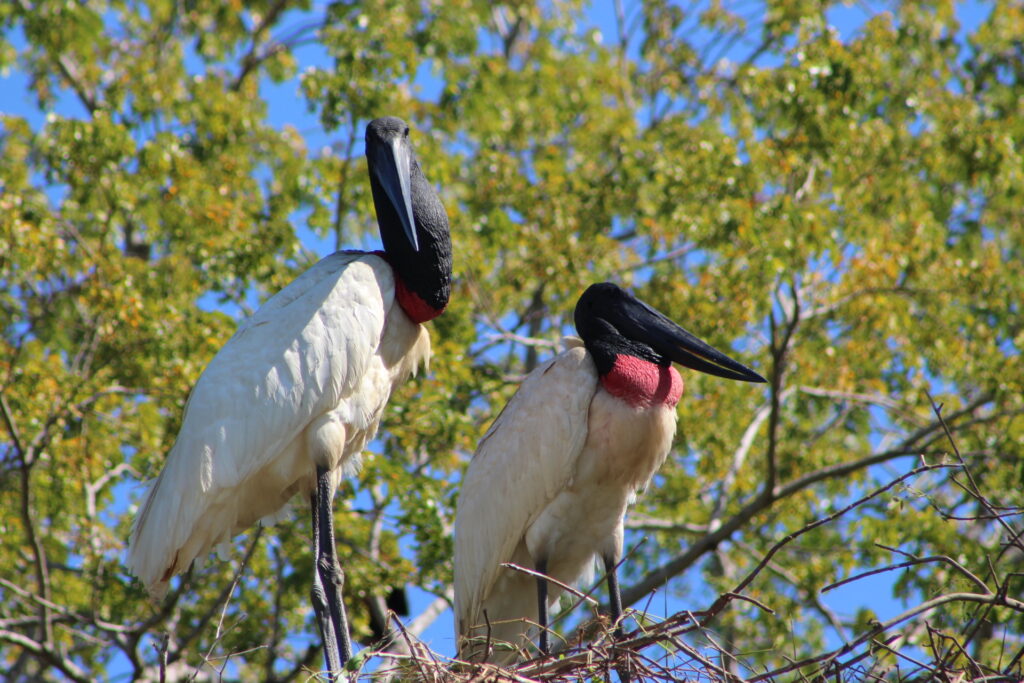
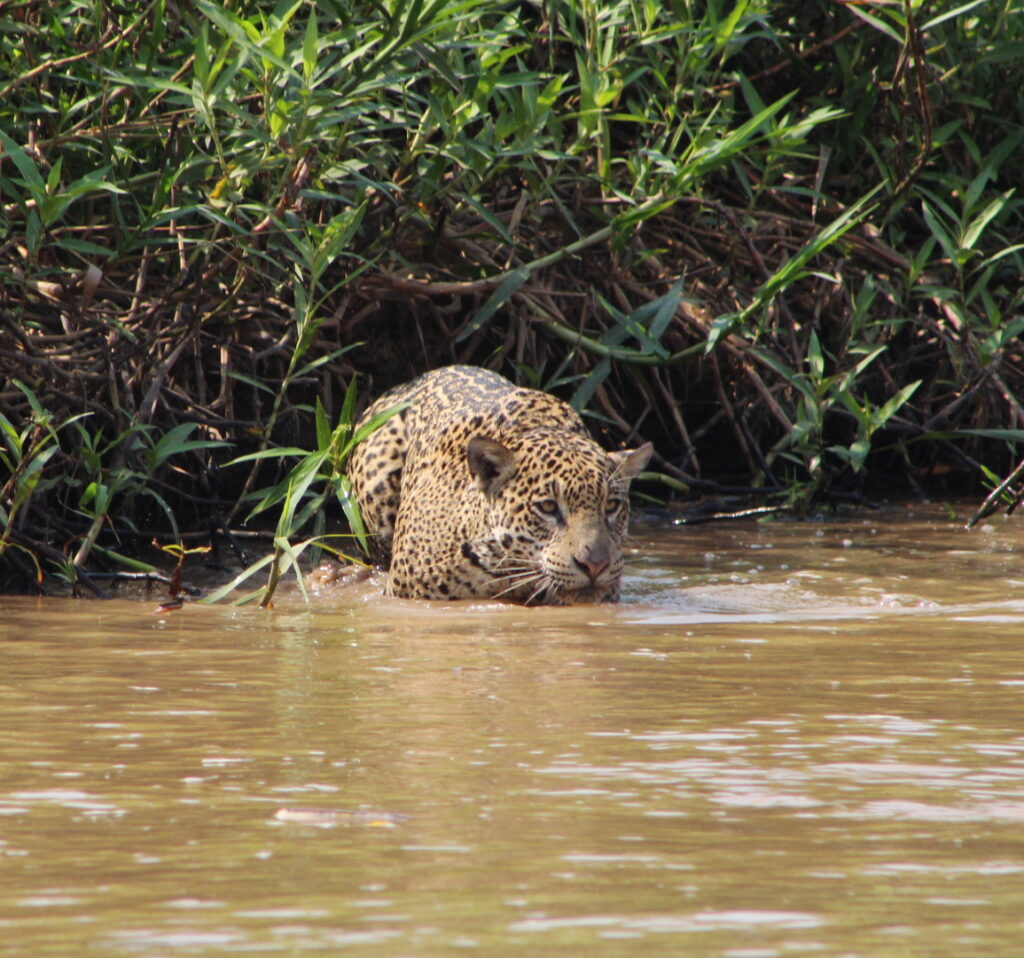
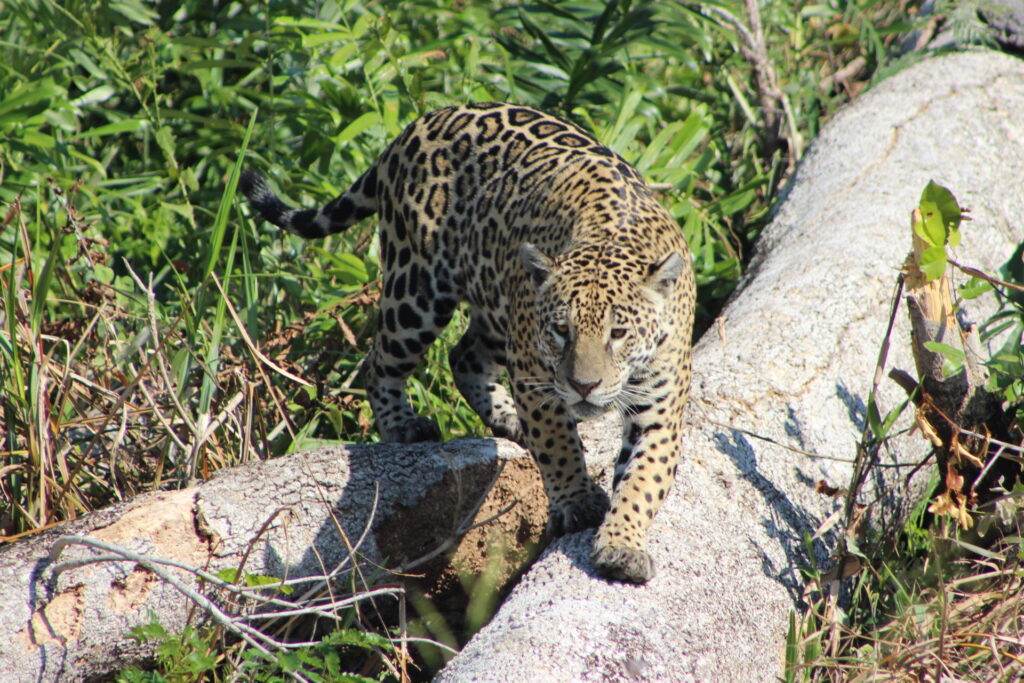
The Northern Pantanal is a treasure trove of biodiversity, home to spectacular fauna that attracts visitors from all over the world. Among the most sought-after species are the imposing jaguar, which has one of the highest densities in the world in this region, especially around the Cuiabá River. Yacare caimans are ubiquitous, often seen basking on riverbanks. Capybaras, the world’s largest rodents, are a common sight, as are howler monkeys and coatis. The birdlife is dazzling, with the scarlet macaw stealing the show, but also toucans, herons, kingfishers, and the jabiru, Brazil’s national bird.
The Pantanal’s flora is equally fascinating, adapted to the cycles of flooding and drought. Ipê trees, with their vibrant yellow or purple flowers, are iconic, as are the enormous sumaúma trees. During the dry season, areas that were flooded transform into green pastures, attracting large herbivores. The best time to spot wildlife is usually during the dry season (May to September), when animals congregate near remaining water sources, making them easier to observe. However, the rainy season (October to April) offers lush landscapes and unique opportunities to observe life in the flooded areas.
Accommodation and Logistics: Planning Your 4-Day Trip to the Northern Pantanal
Choosing accommodation is crucial for a successful experience in the Northern Pantanal. Options range from rustic and cozy pousadas to historic fazendas that offer complete immersion in rural life and nature. Many of these properties are located along the famous Transpantaneira road, facilitating access to different wildlife viewing spots. When planning a 4-day trip, it is advisable to opt for accommodation that offers all-inclusive packages, which usually cover transportation from the nearest airport (generally Cuiabá), meals, and guided excursions, thus optimizing time and logistics.
Getting to the Northern Pantanal generally involves flying to Cuiabá (MT) or, in some cases, to Campo Grande (MS), and then arranging ground transportation to the Pantanal region. The Transpantaneira is the main access road and, although it is a dirt road, it is passable for conventional vehicles in the dry season; however, a 4×4 vehicle is recommended, especially during the rainy season. Within the Pantanal, transportation is usually provided by tour operators or accommodations, including 4×4 vehicles, boats, and occasionally small planes to access more remote areas. It is vital to book flights and accommodation in advance, especially if traveling during peak season.
| Package/Tour | Duration | Main Activities | Typical Accommodation | Estimated Price (USD) |
|---|---|---|---|---|
| Basic Photo Safari | 4 Days / 3 Nights | 4×4 safaris, hikes, birdwatching | Rustic pousada | $800 |
| Jaguar Expedition | 4 Days / 3 Nights | Boat safaris for jaguar spotting, night excursions | Fazenda with access to key rivers | $1600 |
| Complete Adventure | 4 Days / 3 Nights | Combination of 4×4 safaris, boat trips, horseback riding, sport fishing | Comfortable fazenda | $1000 |
| Intensive Birdwatching | 4 Days / 3 Nights | Guided birdwatching tours, sunrise/sunset boat trips | Quiet pousada with access to bird habitats | $950 |
| Budget Package | 4 Days / 3 Nights | Selected basic activities, simple accommodation | Simple pousada or camping | $800 |
Frequently Asked Questions about What to Do in the Northern Pantanal for 4 Days
Planning a 4-day trip to the Northern Pantanal can raise some common questions. Here we address the most frequently asked questions to help you organize your adventure effectively and make the most of this natural wonder. Consider these points for a smooth experience.
What is the best time to visit the Northern Pantanal on a 4-day trip?
The choice of when to visit the Northern Pantanal depends on your priorities. The dry season, from May to September, is ideal for wildlife viewing, as animals concentrate around remaining water sources, making them easier to spot. Low water levels also make the Transpantaneira more passable. On the other hand, the rainy season, from October to April, transforms the landscape into a lush green sea, ideal for observing migratory birds and enjoying the fullness of the ecosystem, although some areas may be less accessible.
What should I pack for 4 days in the Northern Pantanal?
For a 4-day trip to the Northern Pantanal, it is essential to pack light, breathable clothing in neutral colors to avoid startling wildlife. Include long pants and long-sleeved shirts to protect yourself from the sun and insects, especially at dawn and dusk. Don’t forget a wide-brimmed hat, sunglasses, sunscreen, insect repellent, and a good pair of closed-toe shoes for walking. A light raincoat is useful, even in the dry season. It is also recommended to bring binoculars, a camera with a good zoom, and a small first-aid kit.
Is it safe to travel to the Northern Pantanal for 4 days?
The Northern Pantanal is considered a safe destination for tourism, especially when traveling through established tour operators and following the guidance of local guides. The main risks are related to wildlife; it is essential to maintain a safe distance from animals and follow instructions to avoid dangerous encounters. Regarding health, it is recommended to consult a doctor about vaccinations and precautions against malaria, although the risk varies by area and time of year. Drinking bottled water and taking precautions with local food are also recommended practices.
How much does a 4-day trip to the Northern Pantanal cost?
The cost of a 4-day trip to the Northern Pantanal can vary significantly depending on the type of accommodation, included activities, and level of service. Basic packages in simple pousadas, including accommodation, meals, and some excursions, can cost between $1500 and $2000 USD per person. More luxurious options in fazendas or with specialized tours, such as jaguar spotting, can range from $2000 to $4000 USD or more. Additional expenses may include ground transportation within the package.