 PT
 EN
 ES
The choice of the right time to visit the Pantanal is important for the experience and to make the most of its biodiversity. This vast wetland, the largest in the world, offers landscapes and wildlife viewing opportunities that vary drastically depending on the season. Understanding the differences between the dry and wet seasons will allow you to plan a trip that fits your expectations, whether you are looking to spot large land mammals or marvel at aquatic life in its splendor. The decision on when to go to the Northern Pantanal, whether in the dry or flooded Pantanal phase, will largely define your adventure.
The choice of the right time to visit the Pantanal is important for the experience and to make the most of its biodiversity. This vast wetland, the largest in the world, offers landscapes and wildlife viewing opportunities that vary drastically depending on the season.
Understanding the differences between the dry and wet seasons will allow you to plan a trip that fits your expectations, whether you are looking to spot large land mammals or marvel at aquatic life in its splendor. The decision on when to go to the Northern Pantanal, whether in the dry or flooded Pantanal phase, will largely define your adventure.

When to go to the Northern Pantanal? The best time for your trip
The Northern Pantanal, a natural jewel in the heart of South America, attracts thousands of visitors each year for its incomparable richness of wildlife and breathtaking landscapes. However, to make the most of this ecological wonder, it is essential to understand the two main seasons that define the visitor experience: the dry season and the flooded season. Each offers a distinct natural spectacle, with unique opportunities for animal observation and ecosystem exploration.
Choosing the right time for your trip to the Northern Pantanal is not a minor detail; it is the key to unlocking the full potential of this destination. Whether your main interest is wildlife photography, bird watching, or simply immersing yourself in a pristine natural environment, knowing when to go to the Northern Pantanal, whether you prefer the dry or flooded Pantanal, will allow you to plan an unforgettable adventure tailored to your expectations.
The Dry Pantanal: Pros and Cons
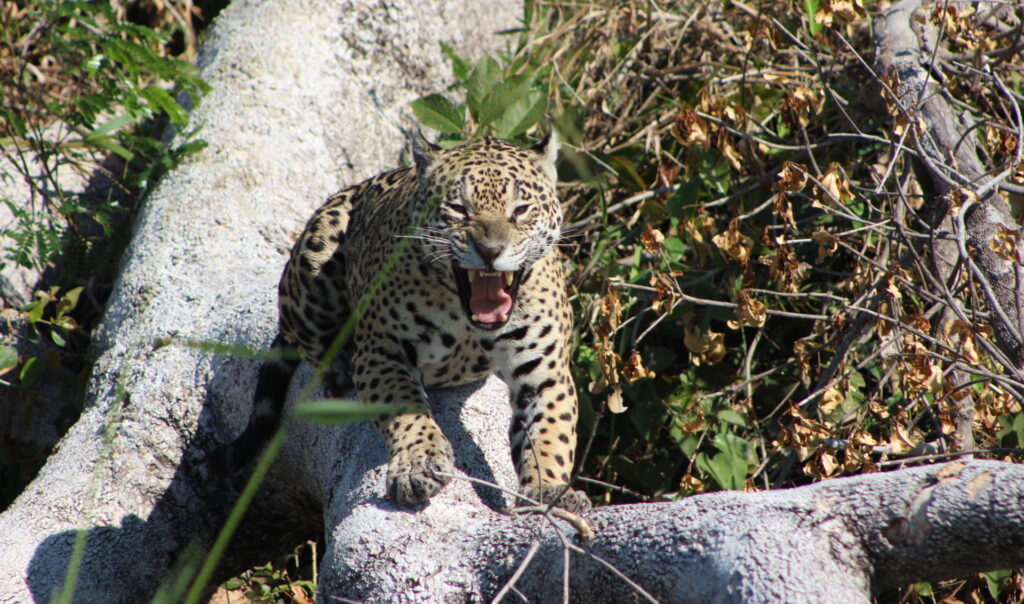
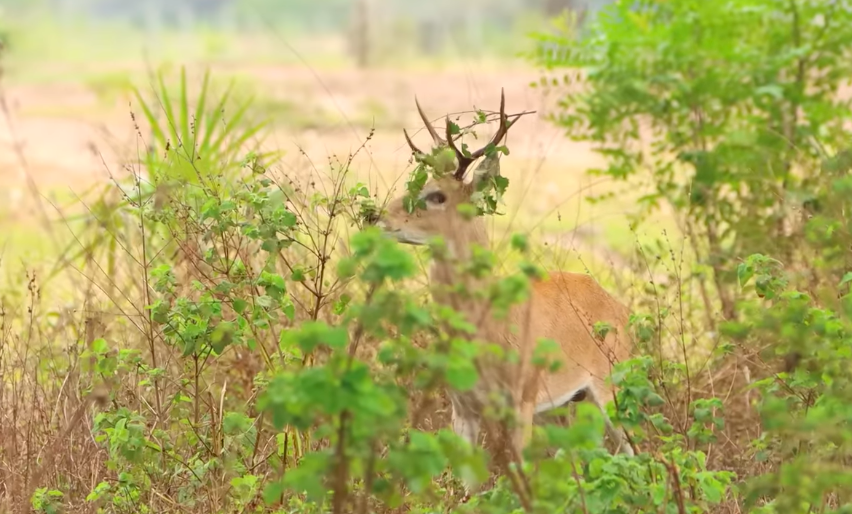
The dry season in the Pantanal, generally from May to October, transforms the landscape radically. As the waters recede, vast expanses of land become accessible, and wildlife concentrates around the remaining water bodies, such as rivers and permanent lagoons. This greatly facilitates animal observation, as many species seek water and food in more concentrated areas. Roads and trails become passable, allowing for more extensive land explorations in 4×4 vehicles or on horseback, increasing the chances of spotting mammals like capybaras, marsh deer, giant anteaters, and, with luck, the elusive jaguar.
The advantages of visiting the Pantanal during the dry season are numerous. Accessibility is a key factor, as many pousadas and lodges are easier to reach, and activities like hiking and vehicle safaris are more comfortable. The concentration of animals around the remaining water sources also increases sighting opportunities, especially for terrestrial mammals. Furthermore, the climate is usually milder and less humid, making the experience more enjoyable for many travelers.
- Advantages:
- Greater accessibility to trails and remote areas.
- Concentration of wildlife around water sources.
- Drier and cooler climate, ideal for terrestrial activities.
- Increased opportunities to spot terrestrial mammals.
- Ease of movement in 4×4 vehicles and on horseback.
- Disadvantages:
- Less abundance of aquatic wildlife.
- Less lush and green landscapes compared to the flooded season.
- Potentially more dust on the roads.
- Some areas may be completely dry, limiting certain ecosystems.
The Flooded Pantanal: Unique Experiences and Aquatic Wildlife
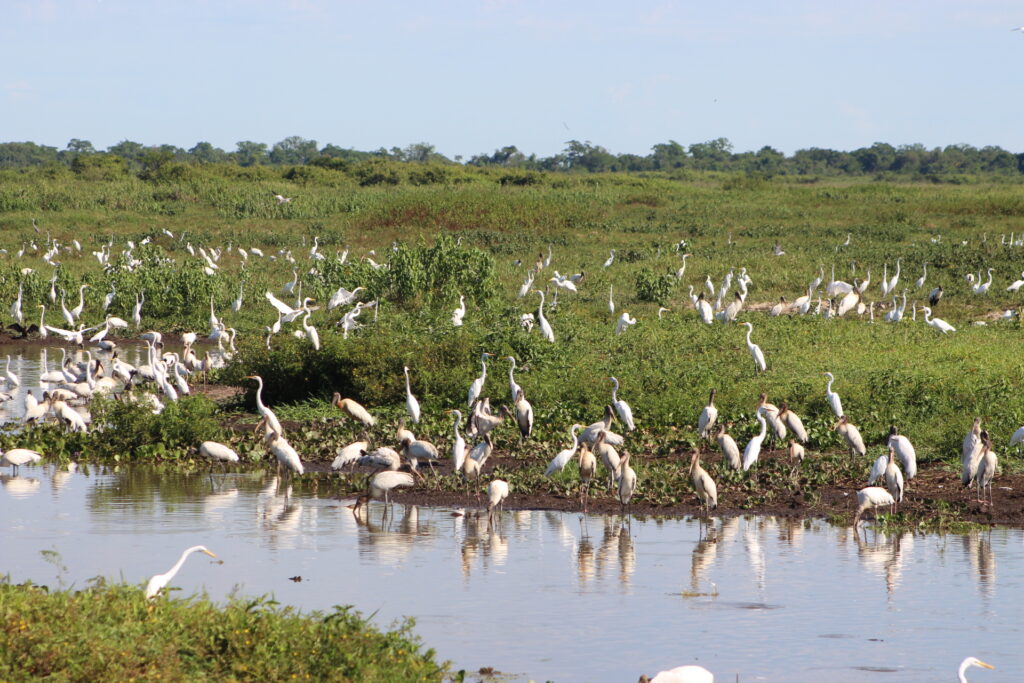
The flooded season, from November to April, is when the Pantanal reveals its true aquatic nature. Torrential rains cause rivers to overflow, covering up to 80% of the plain with a layer of water that can reach several meters deep. This phenomenon creates a spectacular landscape of interconnected lagoons, channels, and vast wetlands that host an astonishing aquatic diversity. Wildlife adapts to this environment, and the observation of water birds, caimans, swimming capybaras, and a wide variety of fish becomes exceptional.
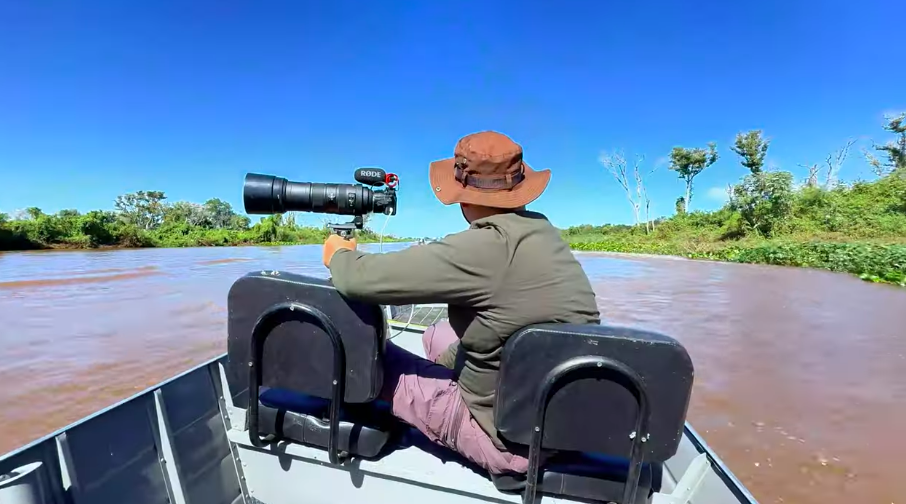
Exploring the flooded Pantanal offers a completely different perspective. Activities focus on the water: boat trips, canoeing, and sport fishing become the main ways to move around and observe wildlife. The landscape comes alive, with lush vegetation and an abundance of migratory and resident birds. The visibility of certain animals, such as pink river dolphins and a large number of water birds, reaches its peak. It is an ideal time for those seeking an immersive experience in a vibrant and dynamic aquatic ecosystem.
- Birdwatching of water birds at their finest.
- Navigating through channels and lagoons to spot caimans and capybaras.
- Possibility of seeing pink river dolphins in the rivers.
- Landscapes of unparalleled scenic beauty with vegetation at its peak.
- Sport fishing in rivers and lagoons.
Plan Your Trip: When to go to the Pantanal according to your interests?
The decision on when to go to the Northern Pantanal, whether you prefer the dry or flooded Pantanal, will largely depend on your personal interests and the type of experience you are looking for. If your main goal is to observe large terrestrial mammals, such as jaguars, marsh deer, or anteaters, the dry season (May-October) is usually the most recommended due to the concentration of animals around water sources and the greater accessibility of the terrain.
On the other hand, if you are fascinated by aquatic wildlife, bird photography, or simply wish to experience the Pantanal in its fullest expression of exuberance and greenery, the flooded season (November-April) will offer you spectacular landscapes and unique opportunities to observe aquatic species and birds in their natural habitat. Both seasons have their charm and offer memorable experiences, so the choice should align with your travel priorities.
Frequently Asked Questions about When to go to the Pantanal
Here, we answer some of the most common questions to help you decide the best time to visit the Pantanal and ensure your trip is a success.
What is the best time to see jaguars in the Pantanal?
The best time to spot jaguars in the Pantanal is during the dry season, especially between June and October. During these months, water levels drop, and jaguars tend to congregate along riverbanks in search of prey, significantly increasing sighting opportunities. Boat trips on rivers like the Cuiabá are particularly effective for locating them.
While it’s not impossible to see them during the wet season, the floods can disperse jaguars and make them harder to locate. The dry season offers greater accessibility and more predictable concentrations of these majestic felines, making it the preferred period for many photographers and wildlife observers.
Is it possible to visit the Pantanal during the rainy season?
Yes, it is entirely possible to visit the Pantanal during the rainy season (approximately November to April), known as the flooded season. While it may present some logistical challenges, such as more limited access to certain areas by land, this period offers a unique and spectacular experience. The landscapes become incredibly green and lush, and aquatic wildlife and birds are abundant.
The main activities focus on the water, with boat and canoe trips allowing exploration of the flooded wetland. It’s an excellent opportunity to observe caimans, capybaras, pink river dolphins, and a wide variety of water birds. If you’re looking for an experience more focused on aquatic ecosystems and vibrant landscapes, the rainy season can be ideal.
What should I pack for the Pantanal during the dry season?
For the dry season in the Pantanal, it’s essential to pack light, breathable clothing in neutral colors that help you camouflage and stay cool. Include long pants and long-sleeved shirts to protect yourself from the sun and insects. A wide-brimmed hat, sunglasses, and sunscreen are essential due to the intensity of the sun. Don’t forget a good quality insect repellent, especially for dusk and dawn.
Additionally, bring comfortable walking shoes, such as hiking boots or sturdy sneakers, and sandals or flip-flops for relaxing at the lodge. A light raincoat can be useful for occasional rain showers. Don’t forget your camera with spare batteries and memory cards, binoculars for wildlife viewing, and a basic first-aid kit. A flashlight or headlamp can also be very useful.
How does the Northern Pantanal differ from the Southern Pantanal regarding seasons?
Although the dry and wet seasons are a general phenomenon throughout the Pantanal, there are some subtle differences in their manifestations between the Northern and Southern Pantanal. The Northern Pantanal tends to experience a more pronounced and prolonged flooding period, with water levels that can be higher and more extensive. This makes it particularly attractive for observing aquatic life and birds during this time.
The Southern Pantanal, on the other hand, may have slightly less extreme floods in some areas, which sometimes results in greater terrestrial accessibility during the wet season compared to certain northern areas. However, in general terms, the dynamic of terrestrial wildlife concentration in the dry season and the explosion of aquatic life in the wet season apply to both regions, although the intensity and exact timing may vary slightly from year to year and from one sub-region to another.