 PT
 EN
 ES
In the heart of South America, it is globally recognized for its great biodiversity. Characterized by its extensive floodplains and winding rivers, it attracts thousands of visitors each year, eager to observe wildlife in its natural habitat. Among the myriad of creatures that inhabit this region, birds of prey hold a prominent place, both for their majesty and their crucial role in the ecological balance.
In the heart of South America, it is globally recognized for its great biodiversity. Characterized by its extensive floodplains and winding rivers, it attracts thousands of visitors each year, eager to observe wildlife in its natural habitat. Among the myriad of creatures that inhabit this region, birds of prey hold a prominent place, both for their majesty and their crucial role in the ecological balance.
The question about the abundance of these fascinating birds in the Northern Pantanal is a recurring one among naturalists, wildlife photographers, and tourists. The answer, as is often the case in nature, is not simple and depends on a complex interplay of factors. However, the richness and variety of this biome suggest significant potential for supporting a healthy population of birds of prey. This article will delve into the diversity of raptors in the Northern Pantanal, explore the elements that sustain their presence, and analyze their conservation status, seeking to provide a comprehensive answer to the question of their abundance.
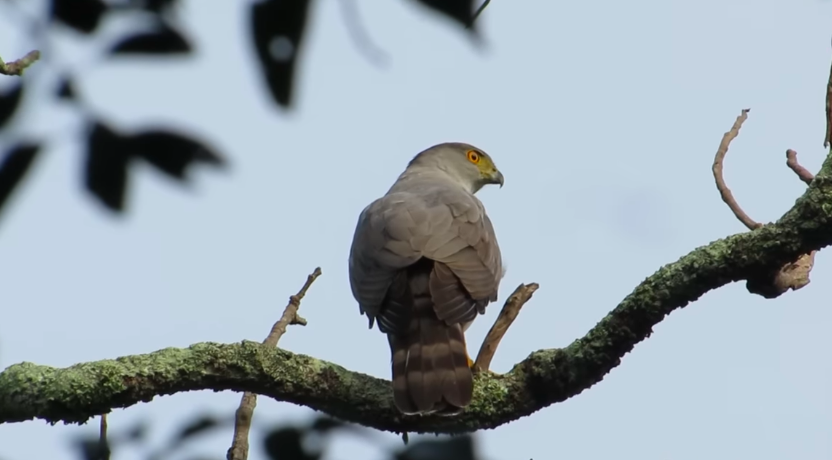
Are there many birds of prey in the Northern Pantanal? An Overview
The Northern Pantanal stands as one of the largest and most biodiverse wetlands on the planet, a mosaic of ecosystems ranging from open savannas to dense flooded forests. This heterogeneity of habitats provides varied ecological niches that are essential for a wide range of species, including birds of prey. From majestic eagles to agile falcons and silent owls, the diversity of prey and the abundance of perches and nesting sites make this region an ideal refuge for many aerial predators.
The question of whether there are “many” birds of prey in the Northern Pantanal is complex to answer with an absolute number, as abundance can vary geographically within the Pantanal itself and throughout the seasons. However, observational evidence and field studies consistently suggest that the Northern Pantanal is an area of high importance for these birds. Its rich food supply, which includes a wide variety of fish, reptiles, amphibians, mammals, and insects, sustains significant populations of various raptor species, many of which are endemic or migratory and find in the Pantanal a vital hunting and breeding ground.
Raptor Biodiversity: How Many Species Inhabit the Northern Pantanal?
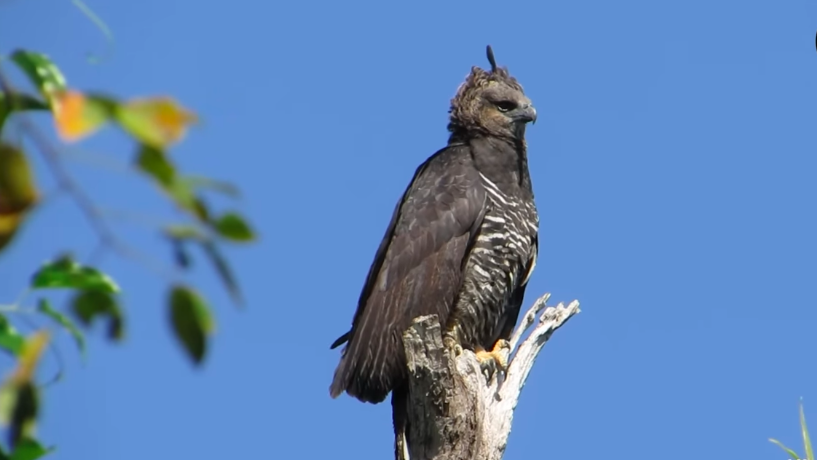
The Northern Pantanal is a true paradise for birdwatchers, and birds of prey are no exception. It is estimated that several dozen species of birds of prey use this vast ecosystem at some point in their life cycle. This diversity is largely due to the variety of available habitats, from open savanna areas, ideal for diurnal hunting raptors such as the Crested Eagle and the Peregrine Falcon, to dense forests and reed beds, which harbor more elusive species like the Great Horned Owl or the Hawk. The presence of large bodies of water also favors species that feed on fish, such as the Osprey.
Among the most emblematic species found in the Northern Pantanal are the majestic Harpy Eagle (though more common in dense forests, it can be sighted in peripheral areas), the imposing Chimango Caracara, the Crowned Eagle, the Snail Kite, and a notable variety of falcons and owls. Each of these species has developed unique adaptations to exploit specific resources within the Pantanal, demonstrating the complexity and resilience of the ecosystem. Observing these birds in their natural environment offers a fascinating window into the dynamics of predation and survival.
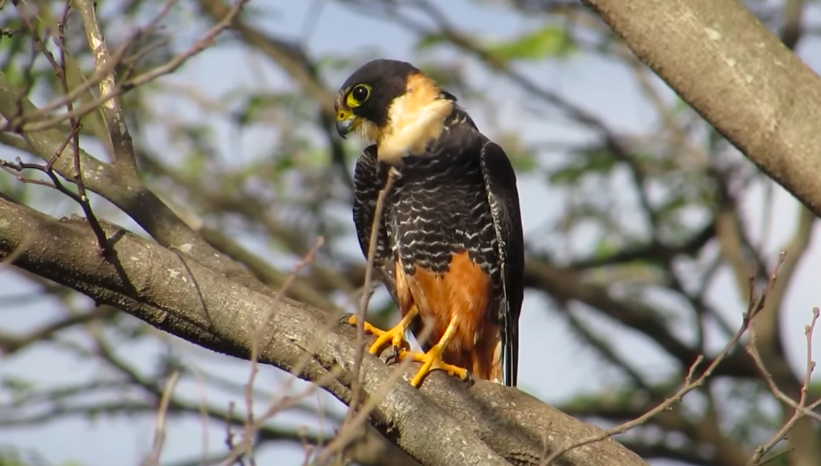
The richness of prey is a key factor that allows this diversity to be maintained. The abundance of capybaras, caimans, fish, snakes, and a wide variety of birds and small mammals provides a solid food base for the different raptor species, each with its dietary preferences and hunting techniques. This interdependence underscores the importance of each link in the Pantanal’s food chain for maintaining the overall health of the ecosystem.
Factors Influencing Raptor Abundance in the Northern Pantanal
The abundance of birds of prey in the Northern Pantanal is intrinsically linked to the availability of essential resources. The most determining factor is undoubtedly the availability of prey. The vast expanse of wetlands and savannas supports healthy populations of small mammals, reptiles, amphibians, fish, and other birds, which constitute the main food for the various raptor species. Areas with a higher concentration of animal biomass, such as riverbanks and flooded grasslands, usually show a greater presence of aerial predators.
The habitat itself plays a crucial role. The presence of tall, scattered trees is vital for many species that use these structures as perches for hunting, nesting sites, and resting places. Areas with a mix of open grasslands, riparian forests, and bodies of water offer a variety of microhabitats that meet the needs of different raptor species. Seasonality, marked by the rainy and dry seasons, also significantly influences the distribution and abundance of raptors, affecting prey availability and access to nesting sites.
Raptor Abundance in the Northern Pantanal
During the rainy season, when much of the Pantanal floods, some prey may become harder to reach, while others, like fish, concentrate in smaller areas, attracting specialized raptors. In the dry season, the decrease in water levels can concentrate prey in certain spots, facilitating hunting for some species, but it can also lead to competition. The migration of some raptor species to or from the Pantanal, in response to seasonal conditions and food availability in other regions, also modulates the observed abundance at different times of the year.
| Northern Pantanal Zone | Representative Species | Estimated Abundance (Observational) | Key Factors |
|---|---|---|---|
| Upper Pantanal (Cáceres) | Crested Eagle (Spizaetus ornatus) | Moderate | Riparian forests, arboreal prey. |
| Floodplains (Poconé) | Hook-billed Kite (Chondrohierax uncinatus) | High | Water bodies, abundance of fish and amphibians. |
| Open Savannas (Barão de Melgaço) | Common Caracara (Caracara plancus) | High | Grasslands, terrestrial prey, carrion. |
| Wooded Areas (Transition to Cerrado) | Great Horned Owl (Bubo virginianus) | Moderate-Low | Tree density, nocturnal prey. |
Threats and Conservation: Is the Future of Raptors in the Northern Pantanal Uncertain?
Despite their apparent robustness, the populations of birds of prey in the Northern Pantanal face various threats that jeopardize their future. The main concern lies in habitat loss and degradation, driven by the expansion of agriculture, extensive cattle ranching, and deforestation in the surrounding areas and within the wetland itself. The alteration of natural ecosystems reduces the availability of prey and nesting sites, directly affecting raptor populations.
Contamination by pesticides and other agrochemicals, used in agricultural activities, also poses a significant danger, as these compounds can bioaccumulate in the food chain and affect the reproductive health of birds of prey. Furthermore, forest fires, increasingly frequent and intense, destroy habitats and directly kill birds. Conservation efforts focus on protecting key areas, promoting sustainable agricultural practices, and raising public awareness about the importance of these species and their role in the ecosystem.
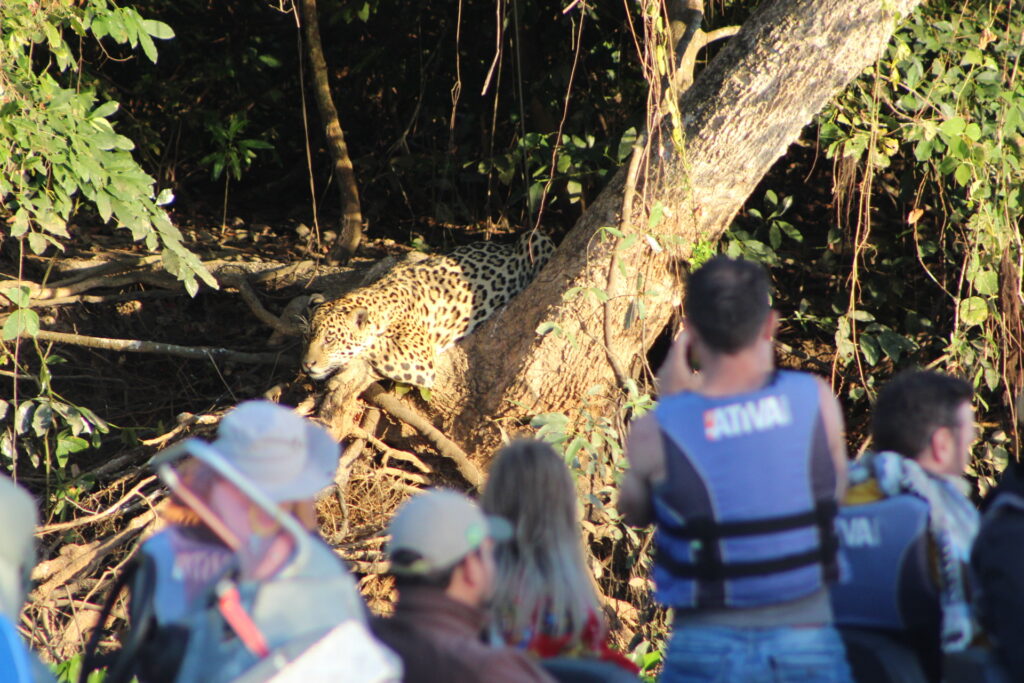
Frequently Asked Questions about Birds of Prey in the Northern Pantanal
Below, we address some of the most common questions that arise when discussing birds of prey in this fascinating ecosystem, offering concise and direct answers to resolve frequent doubts.
What are the most common birds of prey in the Northern Pantanal?
Among the birds of prey most frequently observed in the Northern Pantanal are the Common Caracara (Caracara plancus), an adaptable species that feeds on a variety of sources, including carrion and small animals, and is easily visible in open areas. The Hook-billed Kite (Chondrohierax uncinatus) is also very common, especially near water bodies, where it hunts fish and amphibians. Other frequently sighted raptors include various species of falcons and the Osprey (Pandion haliaetus), which specializes in catching fish.
The abundance of these species is due to their ability to exploit the available resources in the diverse habitats of the Pantanal. Their presence is a good indicator of the ecosystem’s health, as they depend on the availability of prey and the integrity of their hunting and nesting habitats. Observing these birds is a rewarding experience for any visitor to the Pantanal.
Does raptor abundance vary by season in the Northern Pantanal?
Yes, the abundance and distribution of birds of prey in the Northern Pantanal vary significantly between the dry and rainy seasons. During the rainy season, when waters rise and cover large expanses of land, some prey may become more elusive, while others, like fish, concentrate in smaller areas, attracting aquatic raptors. Denser vegetation can also make hunting difficult for some species.
In contrast, during the dry season, the receding water levels can concentrate terrestrial and aquatic prey in pools and rivers, facilitating hunting for many raptors. However, drought can also lead to increased competition for resources. Some migratory species may arrive in the Pantanal during certain seasons to take advantage of food abundance, which also influences the overall observed abundance.
What can be done to help conserve raptors in the Northern Pantanal?
Visitors and locals can significantly contribute to the conservation of birds of prey in the Northern Pantanal by adopting responsible ecotourism practices. This includes maintaining a safe distance from birds and their nests, avoiding feeding wildlife, and not leaving trash in the natural environment. Supporting tour operators and accommodations that demonstrate a commitment to sustainability and conservation is essential.
Furthermore, it is important to support local and international organizations working to protect the Pantanal and its species. Learning about the threats these birds face and sharing that information with others can increase public awareness. Choosing local and sustainable products, and supporting policies that promote habitat conservation, are concrete actions that help ensure a future for the majestic birds of prey of the Northern Pantanal.