 PT
 EN
 ES
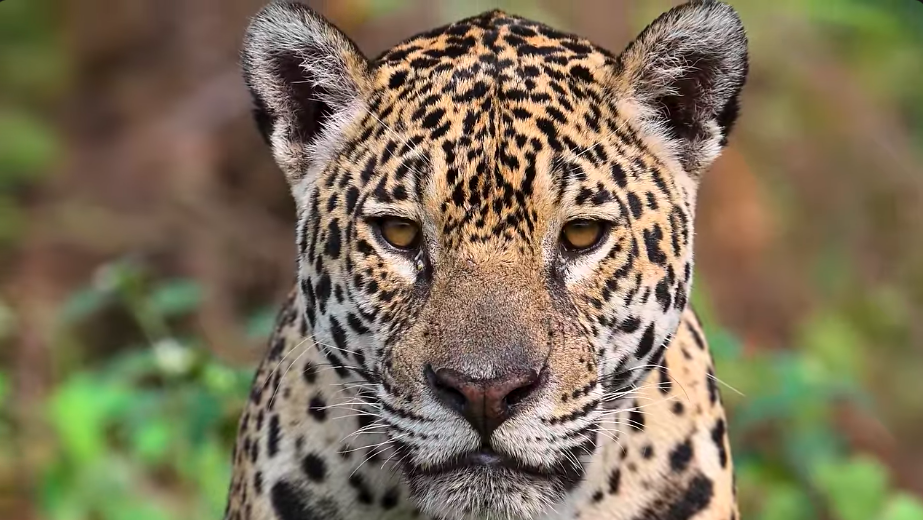
Plan your adventure. Discover the best places and times to spot jaguars in Brazil's Northern Pantanal.
Brazil, a country of vast natural and cultural diversity, holds one of the most impressive ecosystems: the Pantanal. This world-renowned tropical wetland extends across other Brazilian states, but it is in its northern portion where the possibility of spotting the majestic jaguar becomes a palpable and exciting reality.
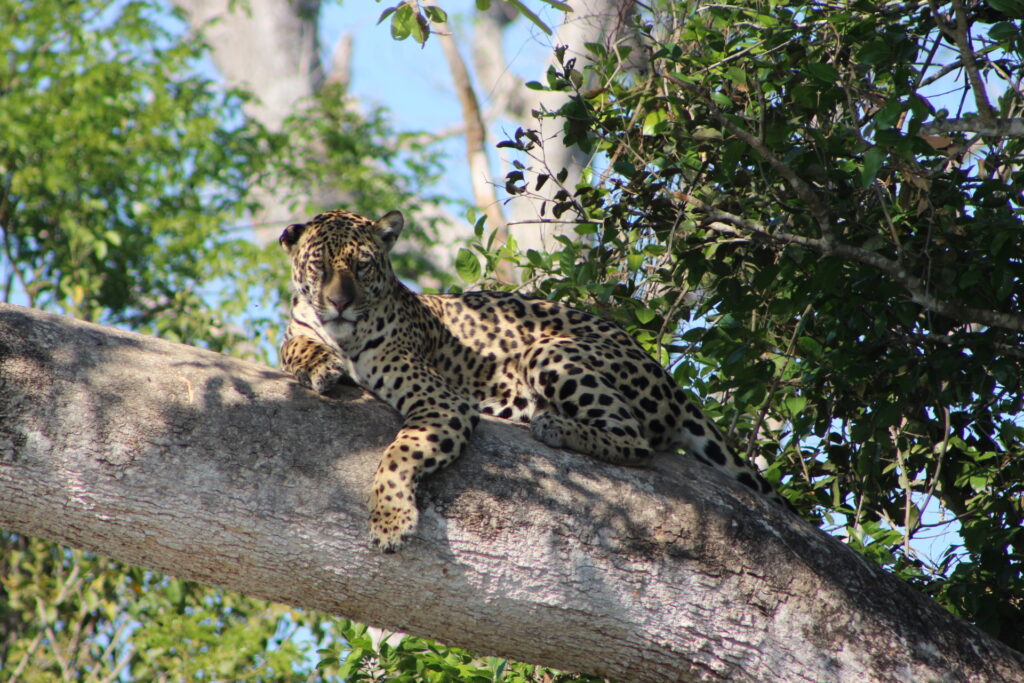
For wildlife lovers and seekers of unique experiences, the Northern Pantanal presents itself as the prime destination for an unforgettable jaguar safari Brazil. The promise of observing this imposing feline in its natural habitat attracts travelers from all over the world, eager to witness its power and beauty.
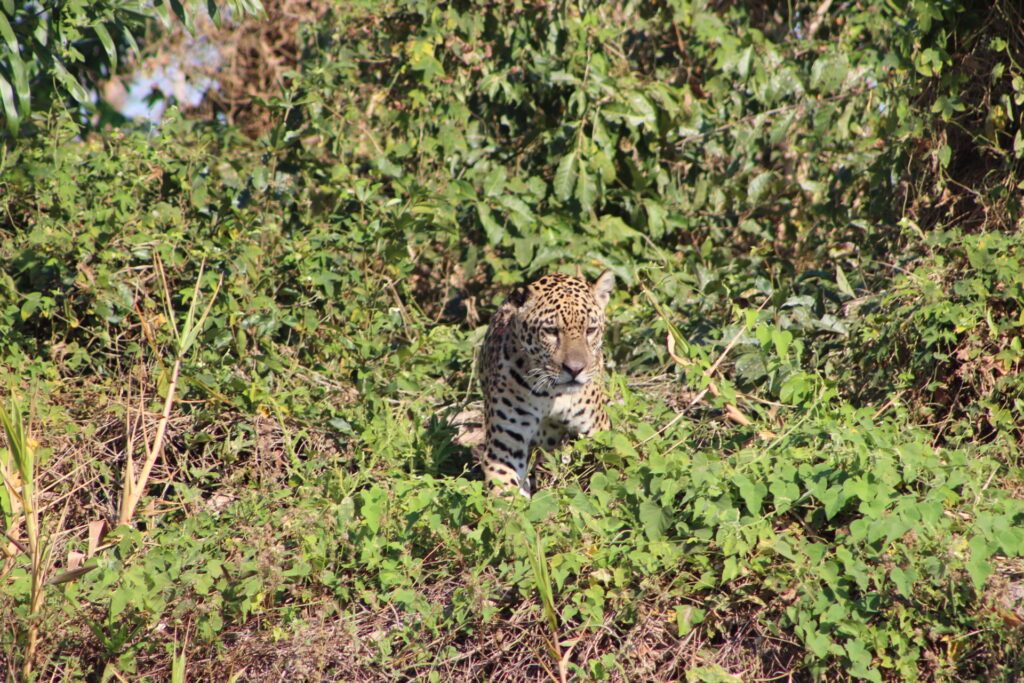
Best Time for a Jaguar Safari Brazil in the Northern Pantanal
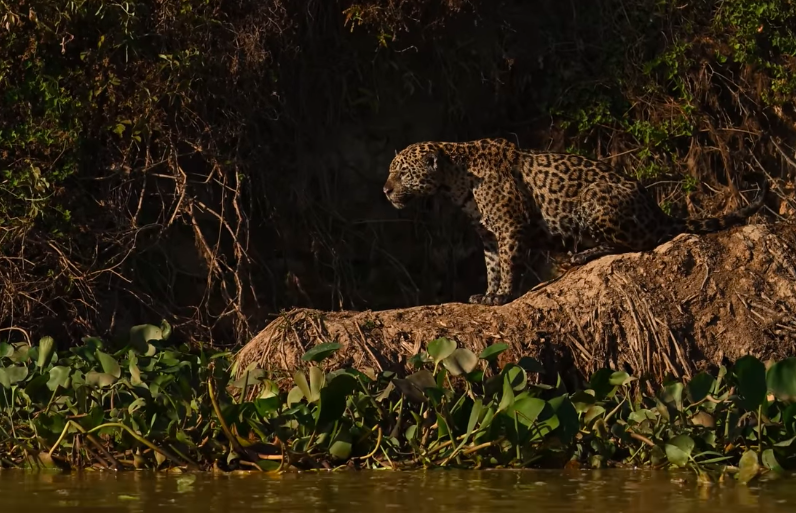
Determining the ideal time for a jaguar safari Brazil in the Northern Pantanal is crucial to maximize sighting opportunities. The dry season, which generally runs from July to October, is considered the most favorable. During these months, the water levels of rivers and lagoons drop significantly, forcing jaguars to congregate on the banks in search of water and prey, making them easier to locate from boats.
In addition to the concentration of jaguars, the dry season offers other advantages. The vegetation is reduced, improving visibility, and fewer mosquitoes make the experience more comfortable. Animals in general become more active during the cooler hours of the day, increasing the chances of seeing not only jaguars but also capybaras, caimans, and a wide variety of birds.
Main Jaguar Sighting Spots in the Northern Pantanal
The Northern Pantanal of Brazil is a vast territory, but certain areas have become consolidated as epicenters for jaguar observation. Porto Jofre, located in the westernmost part of Mato Grosso state, is undoubtedly the star destination. Known as the “jaguar capital,” this region is famous for its rivers, such as the Cuiabá, Três Irmãos, and São Lourenço, where sightings are almost daily during the high season.
Another fundamental area is the Transpantaneira, an extensive dirt road that crosses the heart of the Pantanal. Along its more than 140 kilometers, there are numerous lodges and inns offering river and land safaris. The Transpantaneira not only serves as access to Porto Jofre but is also a biological corridor in itself, allowing wildlife sightings along its margins, including caimans, capybaras, and an incredible diversity of birds.
When planning your jaguar safari Brazil, consider the logistics of each location. In Porto Jofre, most tours are conducted in speedboats, allowing you to cover long distances and access remote areas. In contrast, lodges along the Transpantaneira usually offer jeep safaris and walks, in addition to boat trips on nearby rivers and lagoons. The choice will depend on your budget, available time, and preferred experience.

| Tour/Lodge | Location | Safari Type | Estimated Duration | |
|---|---|---|---|---|
| Jaguar Eco Lodge | Porto Jofre | River (speedboat) | 3-5 days | |
| Pantanal Wildlife Lodge | Transpantaneira (Km 80) | River, Land (jeep) | 4-6 days | |
| Arara Azul Lodge | Transpantaneira (Km 120) | River, Land (jeep, walking) | 3-4 days | |
| Hotel Pantanal Norte | Porto Jofre | River (boat) | 2-3 days | |
| Fazenda San Francisco | Poconé (near Transpantaneira) | Land, River (canoe) | 3-4 days |
Essential Tips for a Successful Jaguar Sighting in Northern Pantanal
To ensure your jaguar safari Brazil is a memorable and successful experience, preparation is key. Pack light, neutral-colored, quick-drying clothing, as well as good sunscreen, insect repellent, a hat, and sunglasses. Don’t forget high-quality binoculars for observing wildlife from a distance and a camera with a good zoom to capture stunning images.
During safaris, it is essential to follow the instructions of local guides. Remain calm when spotting a jaguar, avoid loud noises and sudden movements that might startle it. Respect its space and time, allowing it to behave naturally. Patience is a virtue in nature; sometimes, waiting is rewarded with unique moments.
Furthermore, commit to responsible tourism. Choose tour operators and lodges that demonstrate a strong commitment to environmental conservation and the well-being of local communities. Minimize your impact, leave no trace, and support conservation initiatives. An experienced guide will not only help you find jaguars but will also enrich your trip with knowledge about the Pantanal ecosystem and culture.
Frequently Asked Questions About Your Trip to the Northern Pantanal to See Jaguars
Answering common questions can facilitate the planning of your adventure. Here we address some of the most frequently asked questions for your jaguar safari Brazil.
Is it safe to travel to the Northern Pantanal to see jaguars?
Yes, traveling to the Northern Pantanal to see jaguars is generally safe, as long as appropriate precautions are taken. Jaguar spotting activities are conducted from specialized boats or vehicles, guided by experienced professionals. Guides know the animals’ behavior and the necessary safety measures to maintain distance and avoid incidents. It is important to always follow their instructions precisely.
The tourist infrastructure in the main sighting areas, such as Porto Jofre and the Transpantaneira lodges, is well-established. Operators usually have safety protocols for transportation, accommodation, and excursions. Outside of safari activities, basic health and safety precautions are recommended, such as drinking bottled water and protecting yourself from insect bites.
How much does a jaguar safari Brazil in the Northern Pantanal cost?
The cost of a jaguar safari Brazil in the Northern Pantanal can vary considerably depending on the trip duration, type of accommodation, season, and included services. As a general reference, 3 to 5-day packages, including accommodation, meals, and daily river safaris, can range from US$1000 to US$2500 per person. More luxurious lodges or private tours will have higher prices.
It is important to note that this price usually covers the main jaguar sighting activities. Additional expenses to consider are flights to Cuiabá (the main access airport), land transfers to the safari starting points, drinks, tips, and possible personal expenses. Researching and comparing different tour and lodge options is recommended to find the one that best fits your budget.
What other animals can be seen besides jaguars in the Northern Pantanal?
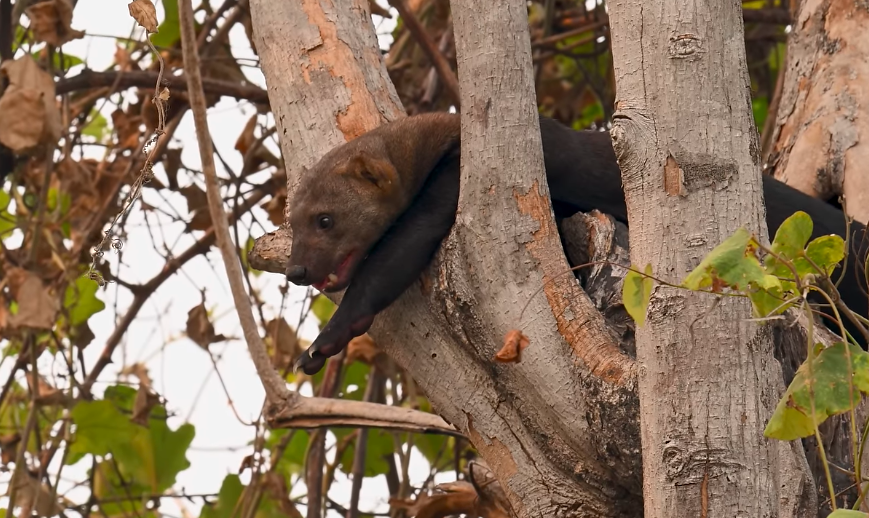
The Northern Pantanal is a biodiversity paradise, offering an incredible variety of fauna beyond jaguars. During your jaguar safari Brazil, you will have the opportunity to observe a large number of species. Among the most common mammals are capybaras, the world’s largest rodents, often seen in large groups near water, and caimans, which rest on riverbanks. It is also possible to spot marsh deer, tapirs, howler monkeys, and giant otters.
The Pantanal’s birdlife is equally spectacular. It is one of the best places in the world for birdwatching, with over 650 species recorded. You can see toucans, macaws (especially the hyacinth macaw), herons, storks, kingfishers, eagles, and an infinity of water birds. The diversity of ecosystems within the Pantanal ensures encounters with astonishing natural richness in every corner.
Do I need a visa or special vaccines to visit the Northern Pantanal?
For most international visitors traveling to Brazil, including the Northern Pantanal, the need for a visa depends on your nationality. It is essential to check the specific entry requirements for your country of origin at the nearest Brazilian embassy or consulate before your trip. Regarding vaccines, the yellow fever vaccine is highly recommended for those visiting rural and jungle areas in Brazil, such as the Pantanal. Although not always mandatory for entering the country, it is wise to consult with your doctor or an international vaccination center.
In addition to yellow fever, it is advisable to have routine vaccinations up to date. To prevent mosquito-borne diseases, such as dengue and malaria (although the risk in the Pantanal is relatively low), it is crucial to use insect repellent, especially at dawn and dusk, and wear clothing that covers most of your body. Always drinking bottled or treated water is another important health measure.