 PT
 EN
 ES
Explore the Transpantaneira, a sanctuary of biodiversity. Discover the wild animals that inhabit this natural paradise.
The Transpantaneira is one of the ecotourism destinations, a vast wetland ecosystem that hosts an unparalleled concentration of wildlife. This natural corridor, located in the heart of Brazil, offers a window into a wild world where nature reigns supreme, attracting travelers, photographers, and nature lovers from all over the globe.
More than just a road, the Transpantaneira is a gateway to a biodiversity sanctuary. Its expanse allows for immersion into a landscape of floodplains, forests, and rivers, creating diverse habitats that sustain a variety of species. The experience of traveling along it is an immersion into a pristine environment, where every turn can reveal a new and exciting encounter with local fauna.
Transpantaneira: A Unique Wildlife Paradise to Discover
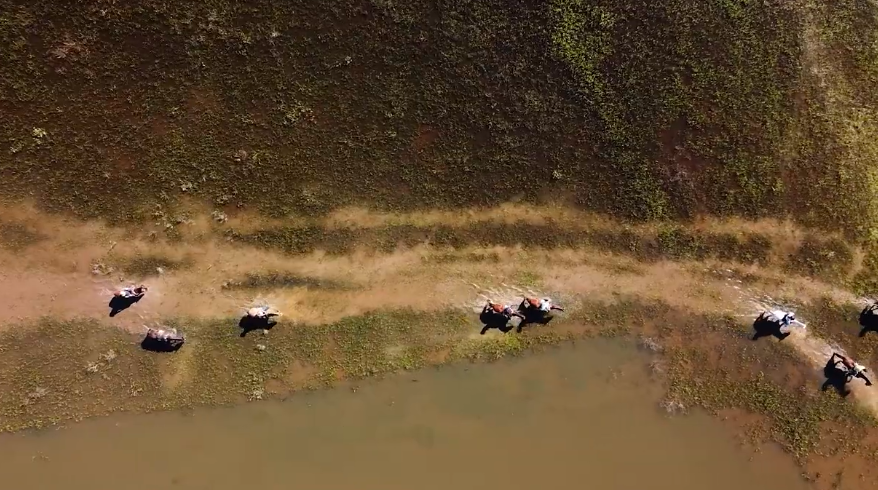
The Transpantaneira is an extensive dirt road that crosses the Brazilian Pantanal, the world’s largest tropical wetland. Far from being a mere path, it functions as a backbone for exploring this wildlife paradise. Its importance lies in its ability to provide access to an ecosystem of exceptional biological richness, considered one of the best places on the planet for observing animals in their natural habitat. The experience of traveling along it is unique, offering the opportunity to witness diverse and abundant megafauna in a spectacular environment, where nature is displayed in its purest and wildest state.
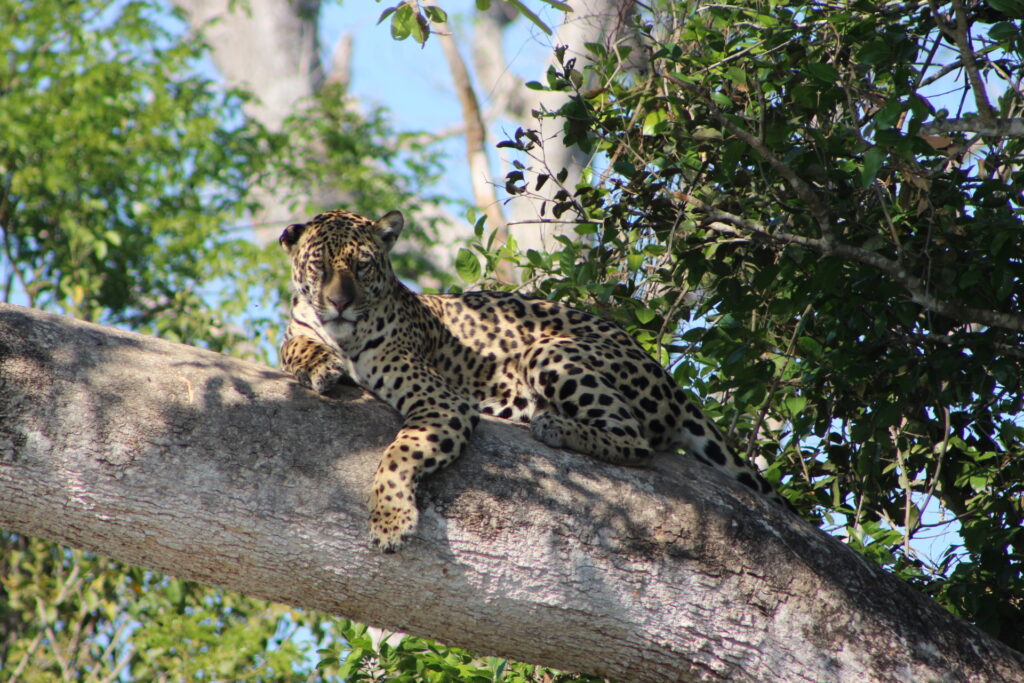
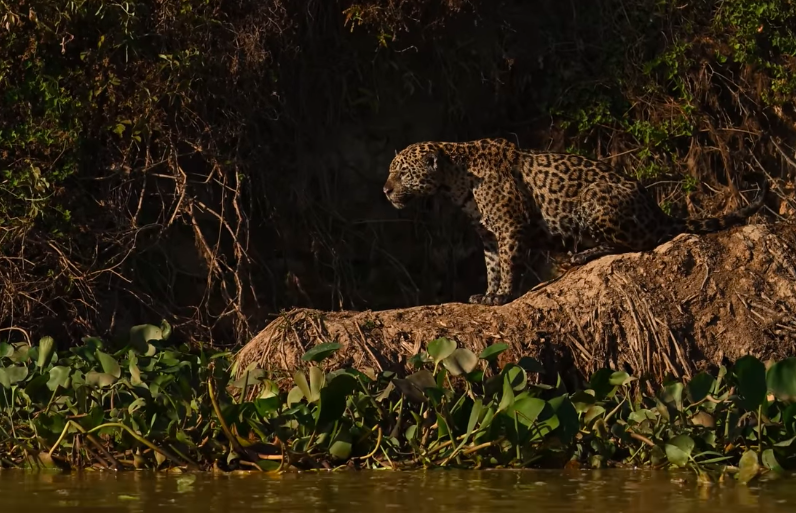
The abundance of species in the Transpantaneira is astonishing. From majestic jaguars lurking in the undergrowth to capybaras grazing peacefully on the water’s edge, countless caimans basking on the riverbanks, and a diversity of birds that paint the sky with vibrant colors, the natural spectacle is constant. The vegetation, adapted to the cycles of flooding and drought, creates a lush backdrop that complements the animal life. Seasonality plays a crucial role, as the dry season concentrates animals around water sources, facilitating their sighting and creating scenes of rarely seen natural intensity.
The Astonishing Biodiversity of the Transpantaneira: A Natural Spectacle
The Pantanal, and by extension the Transpantaneira, is a treasure trove of biodiversity that dazzles every visitor. The variety of fauna is simply spectacular. It is common to spot large populations of capybaras, the world’s largest rodents, sharing their habitat with caimans and yacare caimans along the riverbanks and lagoons. Howler monkeys resonate with their powerful vocalizations, while coatis and foxes venture near the roads. But the undisputed king of this region is the jaguar, and the Transpantaneira offers one of the best opportunities in the world to spot this elusive feline, especially during the dry season.
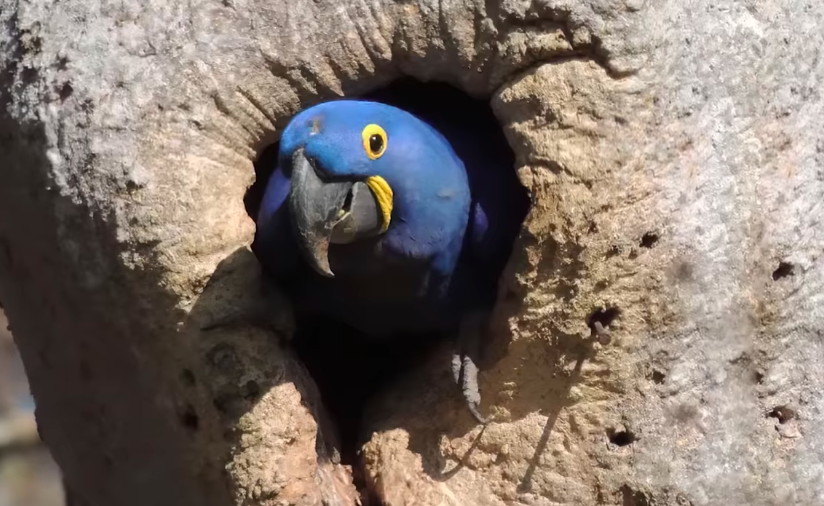
The birdlife is equally impressive. The Transpantaneira is a paradise for birdwatchers, with over 600 species recorded. From the imposing jabiru, the symbol bird of the Pantanal, to various herons, spoonbills, kingfishers, macaws, and toucans, every corner offers a visual feast for bird lovers. The flora adapts to the cycles of seasonal floods, presenting a mix of savannas, forests, and grasslands that change drastically between the wet season, when vast areas are flooded, and the dry season, when the water recedes and wildlife concentrates in the remaining water bodies.
The dynamics of the Pantanal ecosystem, marked by the alternation between the dry and wet seasons, directly influence the visibility and behavior of the fauna. During the rainy season (approximately November to March), many areas flood, making some parts of the Transpantaneira inaccessible and dispersing the animals. However, the vegetation flourishes, and the landscapes become intensely green. In contrast, the dry season (April to October) is ideal for tourism, as the waters recede, concentrating animals in rivers and lagoons and making the road fully passable, greatly facilitating sightings.
Wildlife Spotting on the Transpantaneira: Best Times and Places
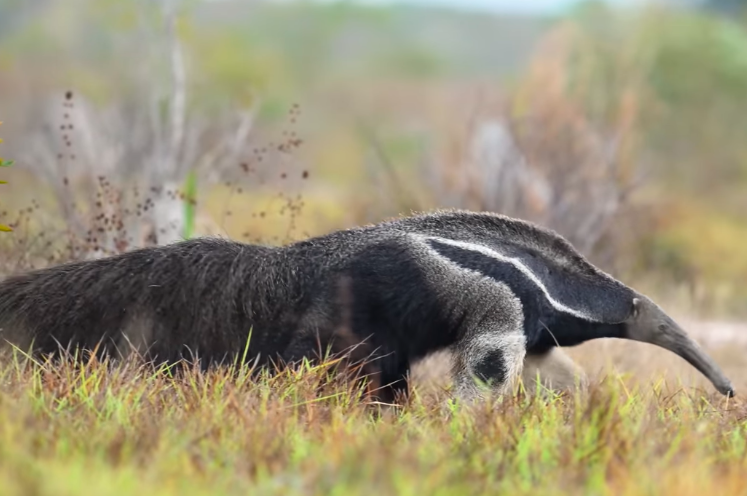
Wildlife spotting on the Transpantaneira reaches its peak during the dry season, which generally runs from April to October. In these months, the floodwaters recede, forcing animals to congregate around the remaining rivers and lagoons, making them much easier to locate. The early morning and late afternoon hours are usually the most active times for most species, when temperatures are cooler and the light is ideal for photography. Key points along the road, especially around bridges and areas with visible water bodies, are prime spots for stopping and observing.
The diversity of animals you can encounter is vast. Here is a list of some of the most common and sought-after:
- Mammals: Capybaras, caimans, giant otters, monkeys (howler, capuchin), marsh deer, peccaries, foxes, and with luck, the jaguar.
- Birds: Jabiru, herons (white, snowy, reddish), spoonbills, storks, kingfishers, macaws, toucans, caracaras, and an infinity of aquatic and terrestrial species.
- Reptiles: Caimans, anacondas, turtles.
| Activity | Description | Best Time | Adventure Level | |
|---|---|---|---|---|
| Boat Trip on the Cuiabá River | River exploration for spotting aquatic and riverside fauna. | Dry season (April-October) | Medium | |
| 4×4 Vehicle Photo Safari | Tour along the Transpantaneira in search of mammals and birds. | Dry season (April-October) | Medium-High | |
| Ranch Horseback Riding | Rural experience to explore less accessible areas. | All year round (with precautions during the rainy season) | Medium | |
| Guided Jungle Trekking | Immersion in local flora and fauna with an expert guide. | Dry season (April-October) | High | |
| Sport Fishing (with permit) | Catch and release of fish like pacu and pintado. | Dry season (April-October) | Medium | |
| Night Wildlife Observation | Search for nocturnal animals by vehicle or on foot. | Dry season (April-October) | High |
Essential Tips for Your Trip to the Transpantaneira: Planning and Sustainability
Planning a trip to the Transpantaneira requires attention to detail to ensure a rewarding and safe experience. Accommodation ranges from rustic inns to higher-category lodges, many strategically located along the road to facilitate access to observation points. The most common transportation is by 4×4 vehicles, as the road can be challenging, especially during the rainy season. It is essential to pack light, breathable clothing, sunscreen, insect repellent, a hat, sunglasses, and comfortable footwear. A good pair of binoculars and a camera are indispensable for capturing the incredible wildlife.
Safety is a priority. While the Transpantaneira is generally safe for tourists, it is important to be aware of your surroundings. Maintain a safe distance from wild animals, especially caimans and jaguars. Never feed the wildlife, as this alters their natural behavior and can be harmful to their health. Respect the instructions of local guides, who possess invaluable knowledge of the ecosystem and its dangers. Road conditions can vary drastically, so it is advisable to travel with caution and, if possible, in convoy during the rainy season.
Responsible tourism is key to the preservation of this fragile ecosystem. When visiting the Transpantaneira, commit to minimizing your impact. This includes leaving no trace of your visit, taking all your trash with you. Respect the flora and fauna, avoiding picking plants or disturbing animals. Support local tour operators and inns that demonstrate a commitment to sustainability and conservation. By choosing activities and accommodations that respect the environment, you directly contribute to the protection of the Transpantaneira for future generations, ensuring that this wildlife paradise continues to thrive.
Frequently Asked Questions about the Transpantaneira: Your Complete Guide
Here you will find answers to the most common questions travelers usually have before embarking on an adventure through the Transpantaneira, covering everything from the best time to visit to safety and conservation tips.
What is the best time of year to visit the Transpantaneira and see wildlife?
The best time to visit the Transpantaneira and maximize wildlife viewing opportunities is during the dry season, which generally runs from April to October. In these months, the vast floodplains of the Pantanal, which are flooded during the rainy season, begin to dry out. This decrease in water concentrates the fauna in the remaining rivers, lagoons, and waterholes, making the animals much more visible and accessible for observation. Mammals, in particular, tend to gather near water sources, and reptiles like caimans are easy to spot basking on the banks.
On the other hand, the wet season, which runs approximately from November to March, presents a lush and green landscape, ideal for those seeking scenic beauty and birdwatching of migratory species. However, floods can make access to certain areas of the Transpantaneira difficult, and animals tend to disperse more, which can make sightings less frequent or more challenging. The choice between the dry and wet seasons will depend on your priorities: intensive wildlife viewing or a greener, more tranquil landscape experience, considering the potential access limitations during the rainy season.
What animals can I expect to see in the Transpantaneira?
The Transpantaneira is famous for its incredible diversity of fauna, offering the chance to see a large number of species in their natural habitat. Among the most emblematic mammals are capybaras, often seen in groups near water; caimans and yacare caimans, which abound in rivers and lagoons; and howler monkeys, recognizable by their powerful vocalizations. Foxes, coatis, and marsh deer are also common sightings. For the lucky ones, the Transpantaneira is one of the best places in the world to spot the elusive jaguar, especially in areas near the river.
The birdlife is equally stunning. The jabiru, the symbol bird of the Pantanal, is an iconic figure. You will also observe a wide variety of herons, spoonbills, storks, kingfishers, colorful macaws, toucans, and numerous species of water birds and raptors. Reptiles, in addition to caimans, include anacondas and various species of turtles basking on the riverbanks. The richness of life in the Transpantaneira ensures that each day of exploration offers new and exciting opportunities to observe nature at its finest.
The interaction between species and their environment is constant. Seeing capybaras grazing peacefully near caimans, or birds building their nests in riverside trees, are scenes that illustrate the complex web of life that sustains this ecosystem. The presence of predators like jaguars and anacondas, although less frequently observed, is crucial for the balance of the Pantanal, reminding us of the wild and primordial nature of this place.
Is it safe to travel to the Transpantaneira? What precautions should I take?
Traveling to the Transpantaneira is generally safe for tourists, as long as appropriate precautions are taken and the natural environment is respected. The main safety concern relates to wildlife. It is essential to maintain a safe distance from all animals, especially large predators like jaguars and caimans, as well as larger animals like marsh deer. Never try to feed the animals or get too close for photos, as this can provoke aggressive reactions and is harmful to them.
Road conditions are another factor to consider. The Transpantaneira is a dirt road that can become very difficult to traverse, especially during the rainy season, with deep mud and potholes. The use of 4×4 vehicles is strongly recommended, and if possible, travel in a group or with local guides who know the changing conditions well. It is wise to inquire about the road conditions before starting your journey and be prepared for possible delays. Also, always carry enough water, food, sunscreen, and insect repellent, as services can be limited in some areas.
How can I contribute to the conservation of the Transpantaneira during my visit?
As a visitor, you play an important role in the conservation of the Transpantaneira. One of the simplest and most effective ways to contribute is by practicing responsible tourism. This means leaving no trace of your passage: take all the trash you generate with you, including plastics, cigarette butts, and food scraps. Avoid buying souvenirs made from animal or plant products that may come from unsustainable sources. By minimizing your physical impact, you help preserve the purity of the ecosystem.
Furthermore, it is crucial to respect wildlife and flora. Observe animals from a safe distance, without disturbing them, feeding them, or trying to interact with them. Do not remove plants or flowers. Support local businesses that demonstrate a commitment to sustainability, such as lodges and tour operators that employ eco-friendly practices, hire local guides, and contribute to conservation projects. By making conscious choices, you become an agent of positive change, ensuring that the beauty and biodiversity of the Transpantaneira are preserved for the enjoyment of future generations.