PT
PT  EN
EN  ES
ES 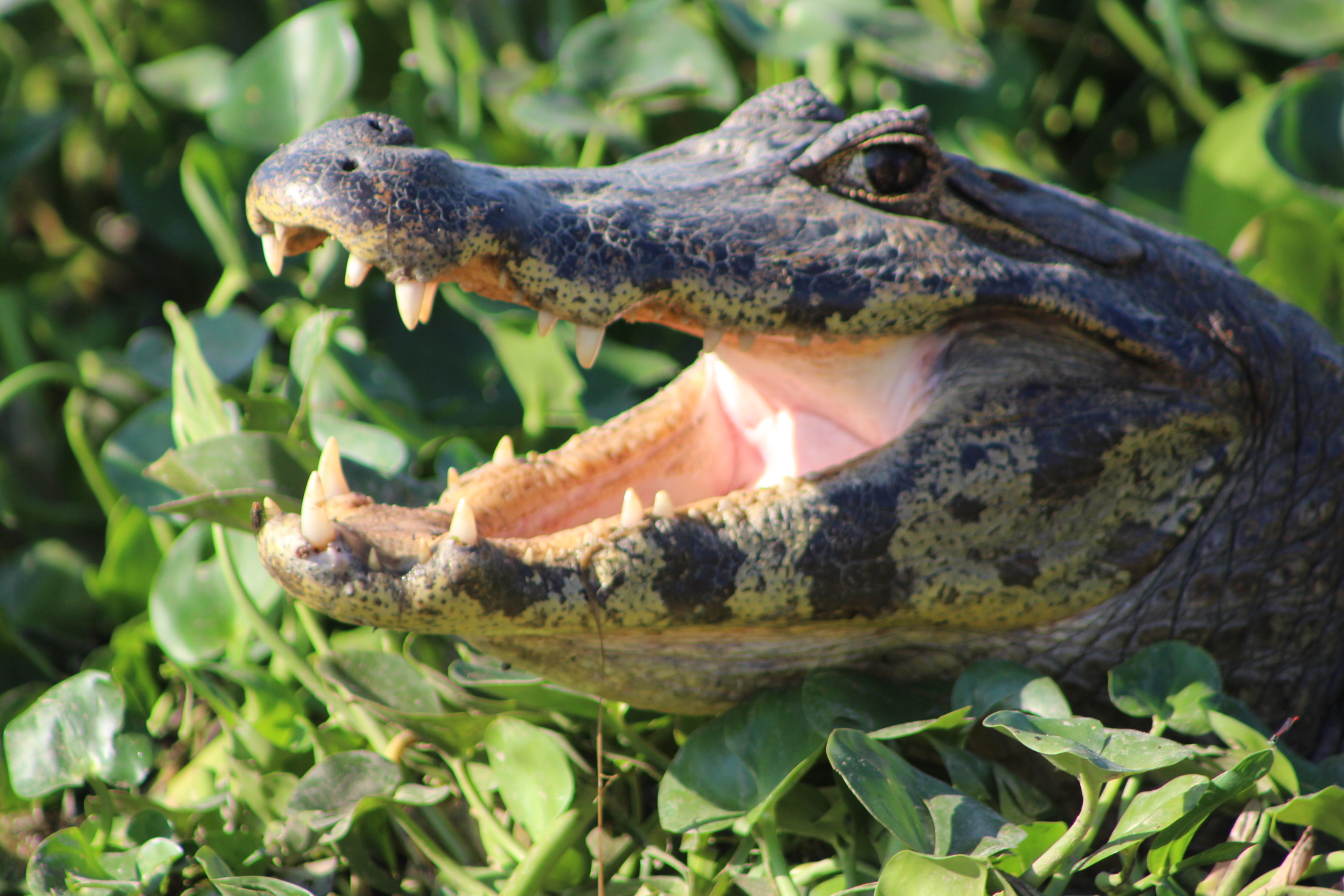
Discover the ideal 4-day plan for exploring the North Pantanal, Brazil's incredible wildlife sanctuary. Maximize your adventure with expert-guided safaris, river trips, and unforgettable wildlife encounters.
Brazil’s North Pantanal stands as one of the planet’s most breathtaking wildlife sanctuaries, a vast wetland offering an unparalleled ecotourism experience. For those with limited time, a 4-day itinerary allows for a deep immersion into this vibrant ecosystem, promising close encounters with an astonishing diversity of fauna and unforgettable landscapes.
This travel plan is designed to maximize every moment, from arrival to departure, ensuring you experience the best the North Pantanal has to offer. Prepare to be captivated by the majesty of nature in its purest form, a journey that will undoubtedly leave an indelible mark on your memory.
What to Do in North Pantanal 4 Days? A Complete Itinerary
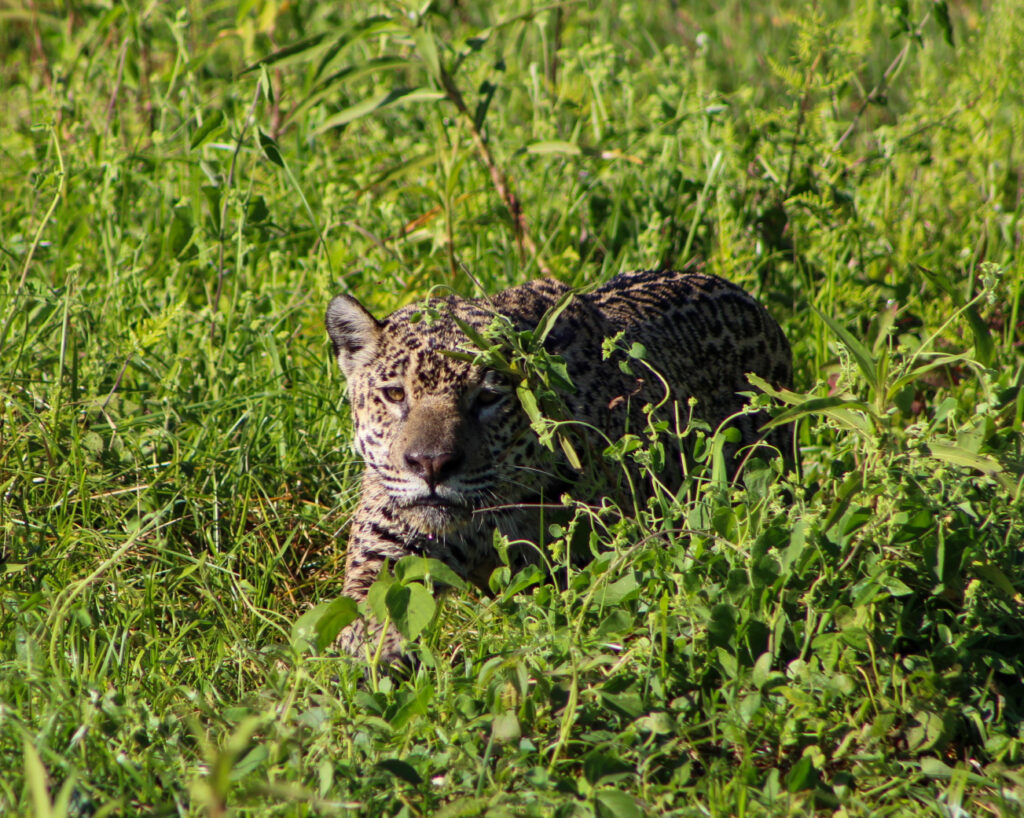
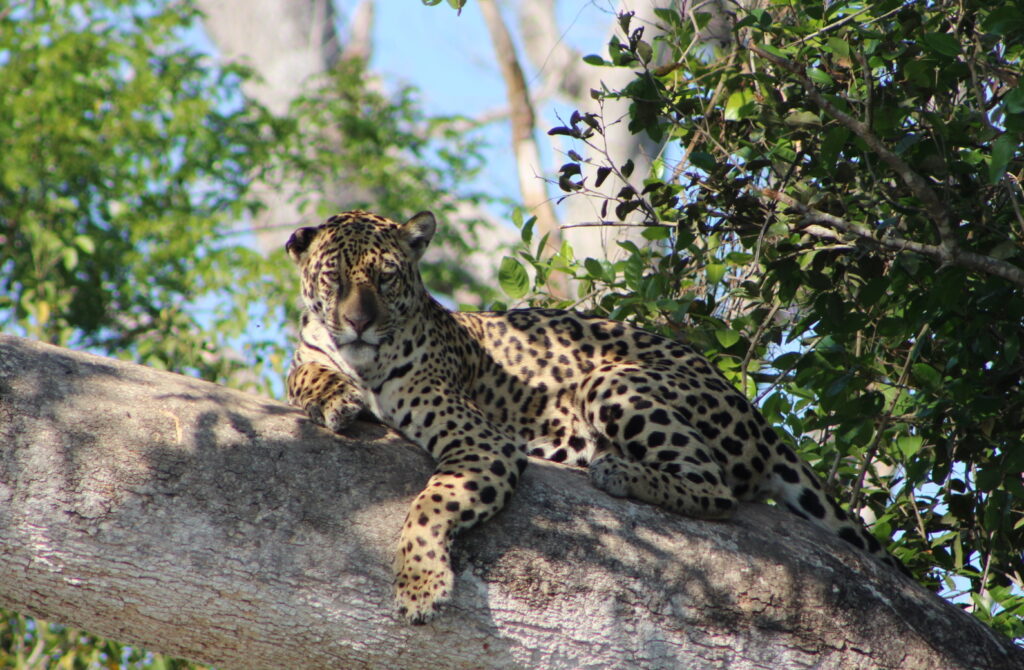
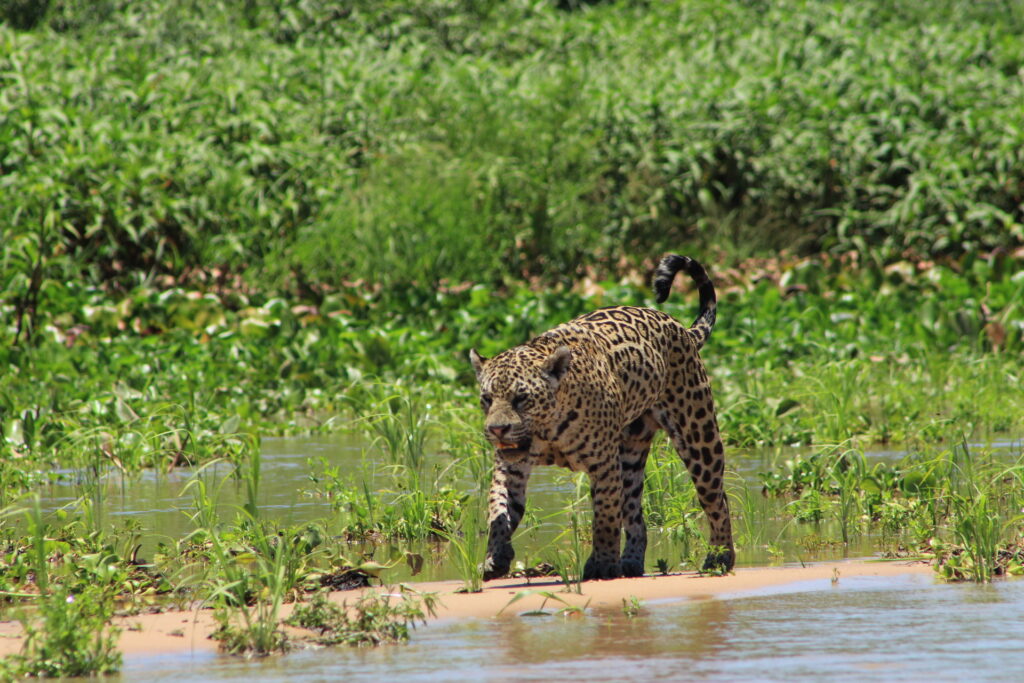
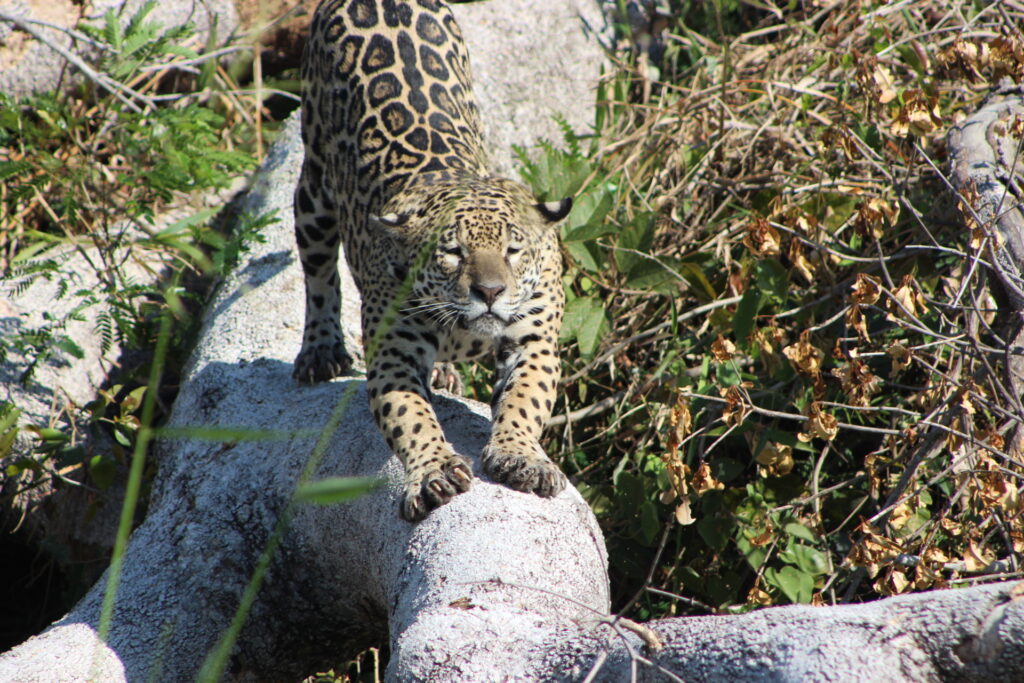
The North Pantanal, globally recognized for its exceptional biodiversity, presents itself as a premier ecotourism destination, ideal for those seeking an authentic connection with nature. A 4-day trip is sufficient to experience the essence of this natural paradise, allowing for the observation of a wide variety of animals in their habitat and the exploration of breathtaking landscapes. During this short but intense adventure, you can expect sightings of jaguars, capybaras, caimans, and an endless array of birds, all guided by local experts who know the region’s best-kept secrets.
This itinerary is carefully planned to optimize your time and ensure you make the most of your 4-day stay in the North Pantanal. From your arrival in Cuiabá, the main access point, to the wildlife immersions and river activities, each day is packed with opportunities for adventure and discovery. You will be immersed in an environment where wildlife is the protagonist and natural landscapes provide the perfect backdrop for an unforgettable experience.
Day 1: Arrival in Cuiabá and Transfer to the Pousada in North Pantanal
Your North Pantanal adventure begins with your arrival at Cuiabá International Airport (CGB), the gateway to this unique ecosystem. From there, you’ll have several options to reach your accommodation in the Pantanal. The most common is to arrange a transfer, which can be shared – a more economical and social option – or private, offering greater flexibility and comfort. The journey itself is an introduction to the landscape as you venture into the savanna and the first signs of wildlife begin to appear.
Once you arrive at your pousada, you’ll be welcomed with the characteristic warmth of the region. After checking in and settling down, the afternoon is dedicated to a first exploration. Depending on your pousada’s location, this could include a short walk around the surroundings to familiarize yourself with the environment or a first open-vehicle photo safari, ideal for spotting animals at sunset, such as capybaras resting near the water or caimans basking on the riverbanks.
The night in the Pantanal is magical. After a delicious dinner, often featuring local ingredients, the experience continues with a guided night walk. This activity allows you to discover the fauna that comes alive after dark, from fascinating insects to small mammals, and the chance to hear the unique sounds of the nocturnal jungle. It’s an excellent way to begin feeling the energy of the Pantanal.
Day 2: Exploring Wildlife and Flora in North Pantanal
The second day is entirely dedicated to immersing yourself in the rich wildlife of the North Pantanal. The main activities will revolve around photo safaris, both in 4×4 vehicles and on horseback, and guided hikes. These safaris are the best way to cover large areas of terrain and increase your chances of spotting iconic animals. Horseback riding offers a unique perspective, allowing you to approach wildlife more stealthily and feel like part of the landscape.
The early morning and late afternoon hours are considered the “golden hours” for wildlife observation, as many animals are most active during the cool of the morning and at dusk. This is the ideal time to look for jaguars, pumas, tapirs, and a wide variety of mammals. Hikes, on the other hand, are perfect for observing local flora, learning about medicinal plants, and discovering smaller, more elusive birdlife that often goes unnoticed from a vehicle.
During these explorations, you’ll have the opportunity to see an incredible diversity of species. Common fauna includes capybaras, the world’s largest rodent, abundant caimans along rivers and lagoons, various monkey species, and deer. The birdlife is equally spectacular, with toucans, macaws, herons, ducks, and the majestic jabiru, the symbol bird of the Pantanal. The key is patience and expert guidance to maximize your sightings.
- Jaguars
- Capybaras
- Caimans
- Giant otters
- Tapirs
- Monkeys (howler, capuchin)
- Marsh deer
- Toucans
- Macaws (blue-and-yellow, red-and-green)
- Jabiru
- Herons (various species)
- Birds of prey
Day 3: River Adventures and Nightlife in North Pantanal
The third day immerses you in the aquatic activities of the Pantanal. Boat trips along the rivers and lagoons are an essential experience, offering a different perspective on wildlife. You’ll be able to observe caimans resting on the banks, giant otters playing in the water, and a large number of water birds. Some pousadas also offer the chance to fish for piranhas, an exciting activity and a demonstration of the abundance of life in these waters.
Canoes or kayaks are ideal for exploring quieter areas that are difficult for larger boats to access, allowing for an even more intimate approach to nature. The silence of the water and the ability to glide gently alongside wildlife create moments of pure connection. While sport fishing may be an option, it is always carried out sustainably, respecting natural cycles and local regulations to ensure the preservation of the ecosystem.
The night of the third day holds one of the most exciting experiences: the night safari. Equipped with flashlights and accompanied by expert guides, you’ll venture into the darkness to discover the fauna that becomes active under the moonlight and stars. This is your chance to see nocturnal animals like the ocelot, wildcat, tapir, and a variety of reptiles and insects that are difficult to observe during the day. The nocturnal adventure adds a layer of mystery and excitement to your trip.
- Boat trip on the river for wildlife spotting.
- Daytime safari on the first day to observe twilight and nocturnal wildlife.
- Observation of water birds and riverside mammals.
| Pousada | Location | Main Activities | Price Range (USD/night/person) | Ideal For |
|---|---|---|---|---|
| Pousada X | Transpantaneira (km 50) | 4×4 Safaris, hikes, horseback riding | General wildlife viewing, families | |
| Ecolodge Y | Encontro das Águas State Park | River safaris, jaguar watching, fishing | Photographers, jaguar enthusiasts | |
| Fazenda Z | Miranda Region | Horseback riding, farm life, trekking | Rural experience, cycling | |
| Cabins W | Near Porto Jofre | River safaris, otter watching, fishing | Water lovers, sport fishing | |
| Refuge V | Remote area, harder access | Virgin wildlife observation, birdwatching | Experienced ecotourists, solo travelers |
Day 4: Last Experiences and Departure
Your last day in the North Pantanal begins with an optional morning activity, perhaps a final sunrise boat trip to capture the magic of nature awakening or a walk to bid farewell to the landscapes that have captivated you. Breakfast at the pousada will be an opportunity to savor the local flavors one last time and reflect on the incredible experiences of these four days.
After breakfast, you’ll begin your journey back to Cuiabá. The drive will allow you to contemplate the vast expanse of the Pantanal once more, perhaps with the luck of spotting an animal you missed. Upon arrival at Cuiabá airport, you will have completed an unforgettable trip, filled with close encounters with wildlife and a deep appreciation for one of the world’s most important ecosystems. You’ll leave with indelible memories and a desire to return.
Frequently Asked Questions about What to Do in North Pantanal in 4 Days
Resolving common doubts will help you better plan your 4-day trip to the North Pantanal, ensuring a smooth and enriching experience.
What is the best time to visit North Pantanal for 4 days?
The best time to visit the North Pantanal depends on your interests. The dry season (May to September) is ideal for wildlife viewing, as animals congregate near remaining water sources, facilitating sightings. Roads are more accessible, and there are fewer mosquitoes. The rainy season (October to April) transforms the landscape, creating a lush and vibrant environment, perfect for birdwatching and for those who enjoy aquatic and intensely green scenery, although some areas may be inaccessible.
For a 4-day trip, the dry season is usually more recommended due to ease of access and animal concentration. However, both periods offer unique experiences. If you’re looking to see jaguars, the dry season is preferable. If you’re interested in landscape photography and migratory birds, the rainy season might be more appealing. Consider your priorities when choosing the date.
What should I pack for a 4-day trip to North Pantanal?
For a 4-day trip to the North Pantanal, it’s essential to pack smart to be comfortable and prepared. Bring lightweight, breathable clothing in neutral colors (khaki, green, beige) to avoid startling wildlife. Include long pants and long-sleeved shirts to protect yourself from the sun and insects, a wide-brimmed hat, sunglasses, and sunscreen. Don’t forget a good insect repellent, especially if traveling during the rainy season.
In addition to clothing, pack a swimsuit, comfortable sandals, and closed-toe shoes for hiking. A lightweight raincoat or poncho is useful year-round. Binoculars are essential for wildlife observation, and a camera with extra batteries and memory cards will allow you to capture the moments. It’s also advisable to bring a small first-aid kit, personal medications, and a headlamp for night safaris.
Is it safe to travel to North Pantanal and see wild animals?
Yes, traveling to the North Pantanal is generally safe, provided you take the appropriate precautions. The key to a safe experience is hiring experienced local guides. They know animal behavior, the safest routes, and how to react in any situation. It is crucial to follow their instructions at all times, especially during safaris and hikes.
Always maintain a respectful distance from wild animals. Never try to feed or touch them. Jaguars, though impressive, are predators and should be observed from the safety of the vehicle or a considerable distance. Caimans should also be treated with respect. Pousadas and tour operators are equipped to ensure your safety, but your own caution and attentiveness are vital to fully enjoy the wildlife responsibly.
How much does a 4-day trip to North Pantanal cost?
The cost of a 4-day trip to the North Pantanal can vary significantly depending on the type of accommodation, included activities, and season. Generally, you can expect a price range from USD 2000 to over USD 2500 per person for a 4-day package.
All-inclusive packages are usually the most convenient option, covering accommodation, meals, transportation within the Pantanal, and most activities (safaris, boat trips, hikes). More budget-friendly pousadas may offer lower rates, but you might need to arrange transportation and some activities separately. Luxury lodges or more exclusive experiences, such as intensive jaguar safaris, will come at a considerably higher cost.
When budgeting, consider additional costs such as tips for guides and staff, drinks, souvenirs, and any optional activities not included in the package. Researching and comparing different operators and pousadas will help you find an option that fits your budget without compromising the quality of the experience.