 PT
 EN
 ES
The Northern Pantanal attracts visitors from all over the world with the promise of close encounters with abundant biodiversity. Among the many creatures inhabiting this wetland, monkeys hold a special place in travelers' imaginations. Their agility and social nature make them prime observation targets. The fundamental question for any aspiring wildlife observer is: is it easy to see monkeys in the Northern Pantanal? The answer, as is often the case with wildlife, is not a simple yes or no. It depends on a series of interconnected factors ranging from environmental conditions to the behavior of the animals themselves and, of course, a dose of luck.
Brazil’s Northern Pantanal attracts visitors from all over the world with the promise of close encounters with abundant biodiversity. Among the many creatures inhabiting this wetland, monkeys hold a special place in travelers’ imaginations. Their agility and social nature make them prime observation targets.
The fundamental question for any aspiring wildlife observer is: is it easy to see monkeys in the Northern Pantanal? The answer, as is often the case with wildlife, is not a simple yes or no. It depends on a series of interconnected factors ranging from environmental conditions to the behavior of the animals themselves and, of course, a dose of luck.
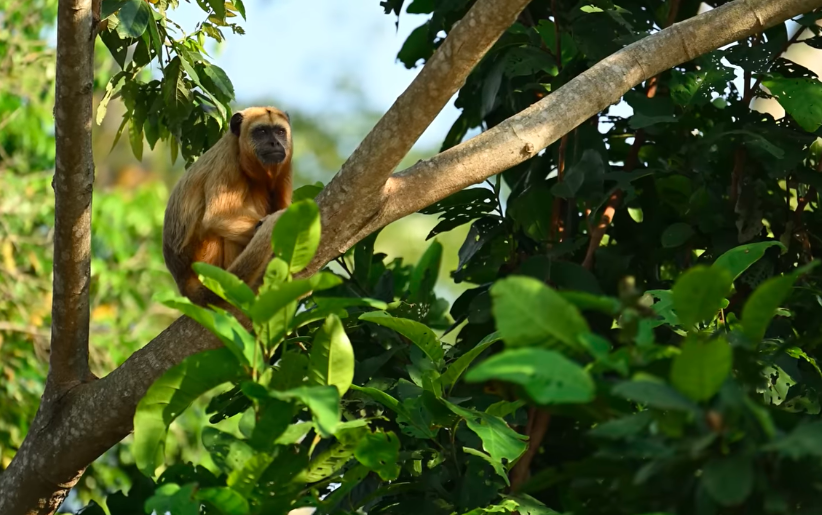
Factors Influencing the Ease of Seeing Monkeys in the Northern Pantanal
The ease with which monkeys can be spotted in the Northern Pantanal is intrinsically linked to several key factors. The time of year plays a crucial role; during the dry season, animals tend to congregate around remaining water sources, which can make them easier to locate. In contrast, the rainy season disperses wildlife over a much larger area, potentially making sightings more challenging. The specific habitat within the Pantanal is also a determinant. Monkeys often prefer areas with dense vegetation, especially those rich in fruit trees, which provide them with food and shelter. Identifying these key zones significantly increases the chances of a successful encounter.
The natural behavior of monkeys is another element to consider. Some species are more active during certain hours of the day, such as dawn and dusk, while others may be more reclusive or difficult to detect. Understanding their feeding, resting, and movement patterns can guide observers toward the most opportune times and places. Finally, while preparation and knowledge are vital, luck always plays a role in wildlife observation. Sometimes, animals are simply not in the expected location, or they move unexpectedly, underscoring the unpredictable and exciting nature of exploring the wild.
The presence of experienced local guides is a factor that can mitigate reliance on luck. These experts possess in-depth knowledge of the terrain, animal habits, and areas where they are most likely to be found. Their ability to interpret subtle environmental cues, such as tracks or vocalizations, can make a significant difference between a trip with no significant sightings and one filled with memorable moments observing these fascinating creatures in their natural habitat.
Best Times and Places to Maximize Monkey Sightings
To maximize your chances of seeing monkeys in the Northern Pantanal, it is essential to plan your visit for the right time and head to the most promising areas. The dry season, generally from June to October, is considered by many to be the best period. During these months, water levels recede, revealing land areas and forcing many animals, including monkeys, to congregate near permanent water sources and still-thriving fruit trees. This creates more concentrated and predictable viewing opportunities.
As for locations, certain regions of the Northern Pantanal are particularly known for their high monkey population density and accessibility. Areas around the Cuiabá and Miranda rivers, as well as nature reserves and parks like the Nascentes do Rio Parnaíba National Park (though the latter is further northeast, it’s often associated with the Greater Pantanal experience), usually offer excellent opportunities. Choosing a lodge or accommodation that offers specific guided wildlife tours is also a smart strategy, as local guides know the hotspots.
- Dry Season (June-October): Less dense vegetation, animals concentrated near water.
- Riverine Areas: Monkeys frequent trees along the rivers.
- Dense Forests and Thickets: Look for areas with abundant fruit trees.
- National Parks and Reserves: Usually have better management and higher sighting probability.
- Guided Tours: Leverage local knowledge to optimize your search.
| Destination | Ease of Monkey Sightings | Best Time | Common Species |
|---|---|---|---|
| Northern Pantanal, Brazil | High (with planning) | Dry Season (June-October) | Howler Monkey, Capuchin Monkey, Marmoset |
| Amazon, Brazil/Peru | Medium-High | Varies by region and river | Spider Monkey, Howler Monkey, Saki Monkey |
| Costa Rica (National Parks) | Very High | Year-round (with peaks) | White-faced Capuchin, Spider Monkey, Night Monkey |
| Kruger National Park, South Africa | Medium-High | Dry Season (May-September) | Vervet Monkey, Baboon |
Practical Tips for Your Monkey Expedition in the Northern Pantanal
To ensure a rewarding and successful experience in your search for monkeys in the Northern Pantanal, preparation is key. It is essential to wear neutral-colored, lightweight clothing to blend in with the environment and avoid attracting the animals’ attention. Carrying a highly effective insect repellent is indispensable, as the Pantanal is known for its population of mosquitoes and other insects. A good pair of binoculars will drastically improve your ability to observe monkeys from a distance without disturbing them, allowing you to appreciate their behaviors without interfering with their natural lives.
In addition to personal gear, hiring experienced local guides is crucial. They not only know the best locations and times of day for spotting monkeys but are also trained to interpret animal behavior and ensure visitor safety. Following their instructions is paramount, always respecting the recommended distance and avoiding feeding or harassing the animals. Patience is a virtue in wildlife observation; sometimes, the best sightings occur after hours of quiet waiting, allowing nature to reveal itself at its own pace.
- Hire Guides: Their knowledge is invaluable.
- Bring Quality Binoculars: For observing from a distance.
- Wear Appropriate Clothing: Neutral colors, lightweight, and long-sleeved.
- Insect Protection: Strong repellent and mosquito nets if necessary.
- Hydration and Sun Protection: Bring water, a hat, and sunscreen.
- Be Patient and Respectful: Observe without disturbing.
- Learn About the Species: Knowing their habits helps in locating them.
Frequently Asked Questions: Is it Easy to See Monkeys in the Northern Pantanal?
Travelers often wonder about the ease of spotting monkeys in the Northern Pantanal. While it cannot be guaranteed 100%, with proper planning, choosing the right season, and the help of expert guides, the chances of having memorable encounters are very high.
What monkey species can be seen in the Northern Pantanal?
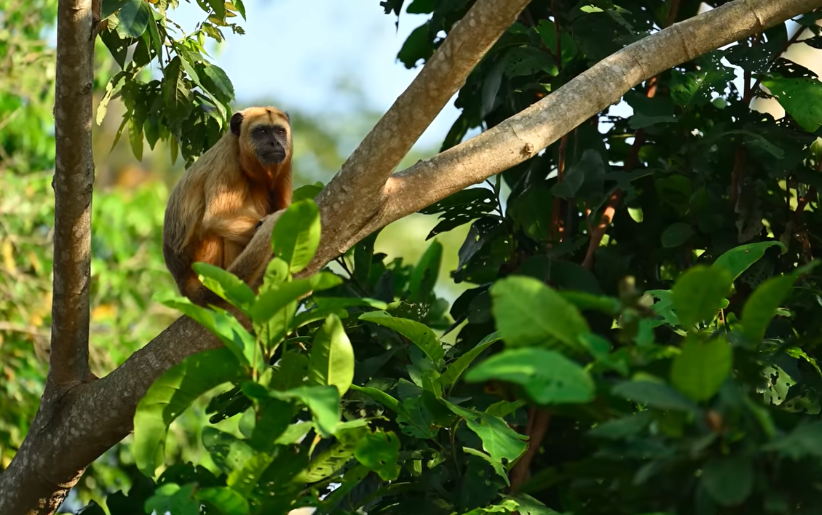
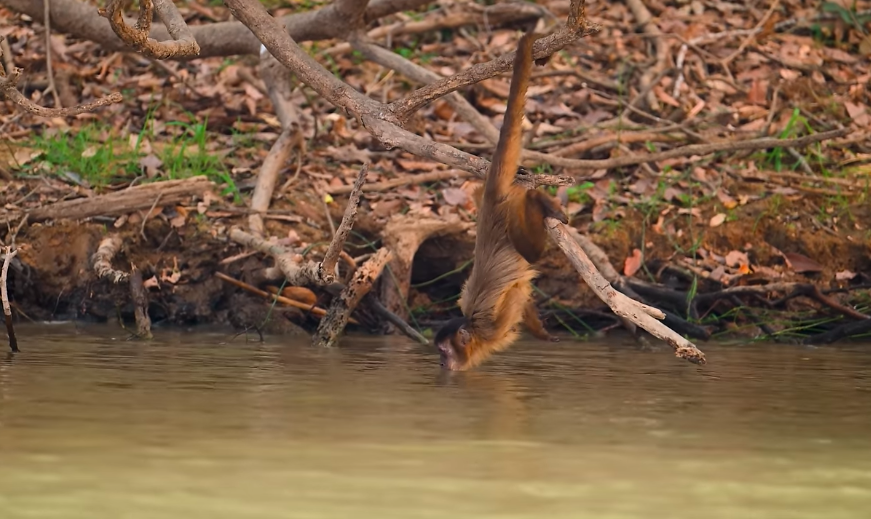
The Northern Pantanal is home to several monkey species, each with its own habits and preferred habitats. Among the most common are the Howler Monkey (Alouatta caraya), also known as the black howler monkey, recognizable by the distinctive dark color of adult males and their powerful vocalizations that resonate through the forest. They are usually found in groups and are often seen in the canopy of tall trees. Another frequent species is the Capuchin Monkey (Cebus spp.), known for its intelligence and tool-using abilities. They are smaller and more agile, moving in family groups through the vegetation, searching for fruits, insects, and small vertebrates. It is also possible to spot the Marmoset (Callithrix spp.), a small and agile primate that inhabits denser wooded areas, often near water sources, and feeds mainly on tree sap and insects.
The distribution of these species within the Pantanal can vary. Howler monkeys tend to prefer areas with larger, denser trees, while capuchins are more adaptable and can be seen in a variety of forest environments. Marmosets, due to their size and habits, are harder to detect and often require closer observation and experienced guides for location. The key to seeing them is to look in forest edges, near rivers, and in areas with an abundance of fruit trees, especially during peak activity hours like early morning and late afternoon.
Is seeing monkeys guaranteed year-round?
No, seeing monkeys in the Northern Pantanal is not guaranteed year-round with the same ease. Seasonal variability plays a crucial role. During the dry season (approximately June to October), when water levels drop and vegetation thins in some areas, animals tend to concentrate around water sources and forest patches that still offer food. This can make sightings more frequent and predictable. In contrast, during the rainy season (approximately November to May), the Pantanal floods, creating an extensive landscape of water and dispersed vegetation.
While monkeys are still present, their distribution becomes wider, and they can be more difficult to locate amidst dense foliage and flooded areas. Food availability also influences this; during the rainy season, there is generally more fruit and leaves available, allowing monkeys to disperse more. Therefore, although it is always possible to see monkeys at any time of the year, the chances of easy and frequent sightings are generally higher during the dry season. The choice of visit date is thus a determining factor in optimizing the experience.
What equipment is essential for monkey spotting?
For a monkey spotting expedition in the Northern Pantanal, certain equipment is essential to maximize your chances and ensure your comfort and safety. First and foremost, good binoculars are a must. They will allow you to observe monkeys from a distance without disturbing their natural behavior, appreciating details that might otherwise go unnoticed. Binoculars with 8x or 10x magnification and a 40-42mm objective lens are usually ideal for wildlife observation in the Pantanal.
In addition to binoculars, it is vital to wear appropriate clothing. Opt for neutral-colored garments (greens, browns, khakis) that help you blend in with the environment. Lightweight, breathable, long-sleeved clothing is recommended to protect you from the sun and insects. Don’t forget a wide-brimmed hat, sunglasses, and high-SPF sunscreen. A good pair of sturdy and comfortable hiking boots are necessary for walking on sometimes uneven terrain. Finally, a potent insect repellent, preferably containing DEET or Picaridin, is absolutely indispensable for keeping mosquitoes and other annoying insects at bay, especially at dawn and dusk.
Is the Northern Pantanal a safe destination for wildlife observation?
The Northern Pantanal is considered a safe destination for wildlife observation, provided that appropriate precautions are taken and safety regulations are respected. Tourist infrastructure has improved considerably in recent decades, with many lodges and tour operators prioritizing the safety of their guests. Local guides are highly trained in animal identification, interpreting their behavior, and managing potential encounters, ensuring that visitors can enjoy wildlife from a safe distance.
The key to a safe experience lies in following the recommendations of guides and tour operators. This includes staying on designated trails, not attempting to feed animals, maintaining a safe distance, and always being aware of your surroundings. While the Pantanal is home to a large number of animals, including predators like the jaguar, incidents involving tourists are extremely rare, largely due to the professionalism of those organizing excursions and the respect visitors usually show for wildlife. Preparation, such as bringing the right equipment and being informed about potential risks, contributes significantly to overall safety.