 PT
 EN
 ES
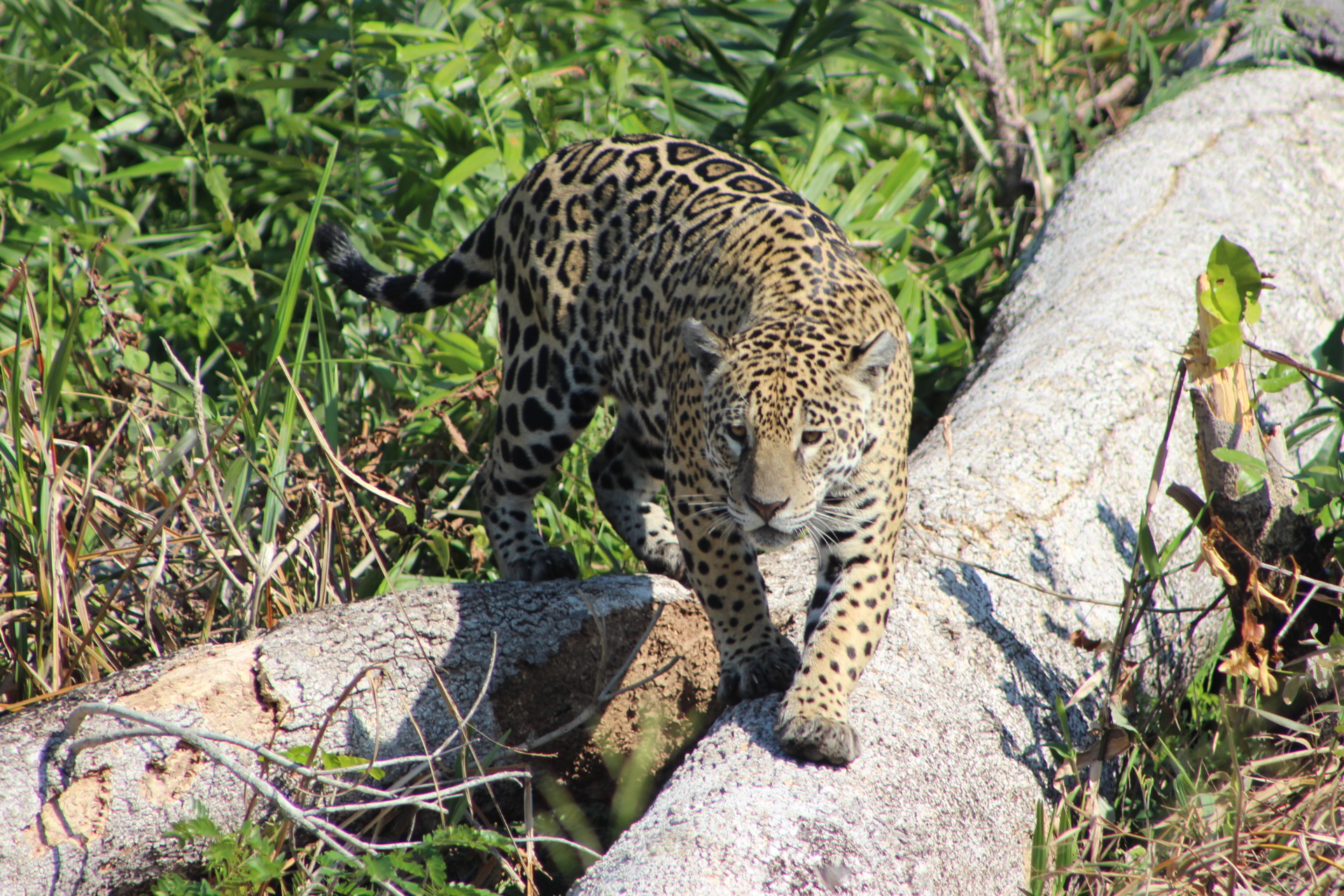
Plan your jaguar safari adventure in Porto Jofre. Learn how to organize your trip for a unique experience.
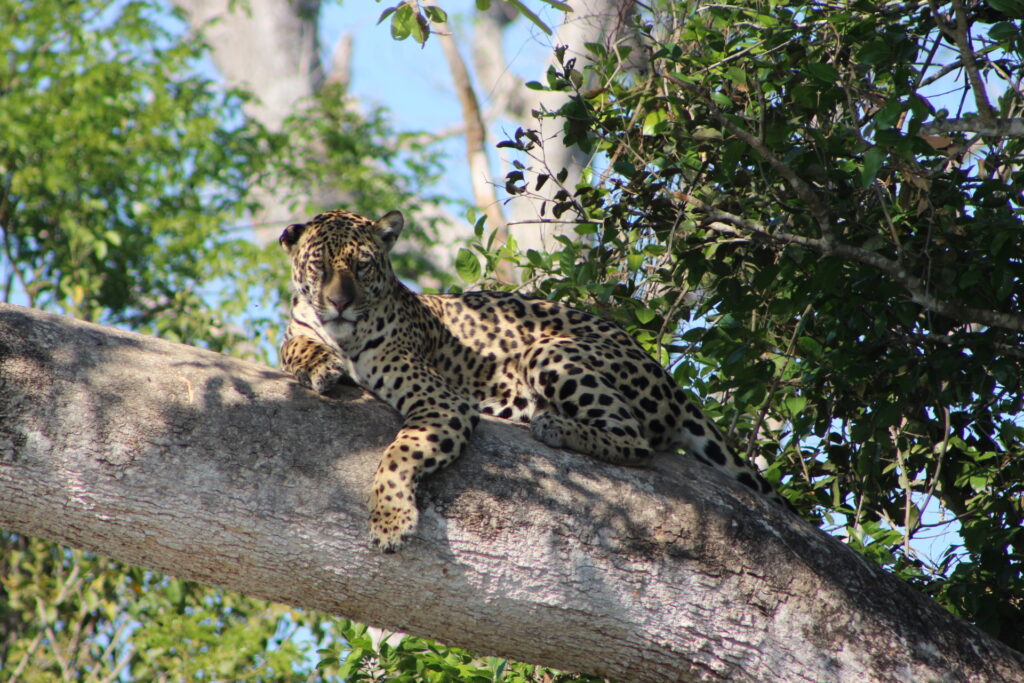
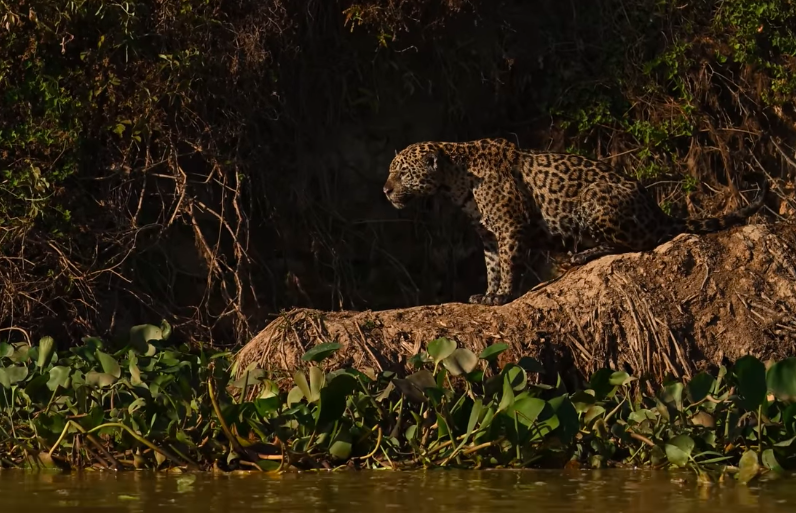
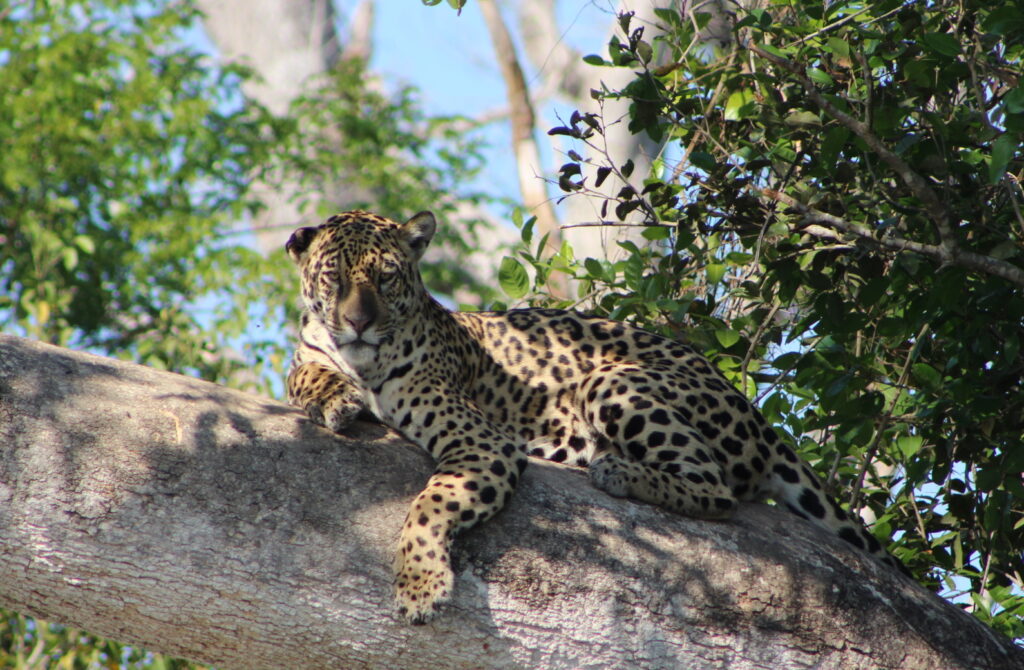
Planning a jaguar safari in Porto Jofre. Located in the Northern Pantanal, this destination has established itself as one of the best places in the world to observe jaguars in their natural habitat. The key to a successful trip lies in good preparation, understanding the particularities of the region and the behavior of these impressive animals.
This article will guide you through the essential aspects of organizing your adventure, from choosing the best time to travel to practical tips for maximizing your sightings. You will discover how Porto Jofre offers a unique opportunity to connect with wildlife in a deep and respectful way, ensuring your safari is a memorable and enriching experience.
The Best Time for Your Jaguar Safari in Porto Jofre
The visiting season for a jaguar safari in Porto Jofre is mainly divided into two periods, each with its own charms and challenges. The dry season, generally from June to October, is considered the golden time for sightings. During these months, the water level in the Pantanal rivers drops significantly, forcing jaguars to gather on the banks in search of water and prey, drastically increasing the chances of seeing them. The weather is milder with less rainfall, facilitating boat excursions. However, this popularity also means there can be more tourists, and accommodation and tour prices may be higher.
On the other hand, the rainy season, from November to May, presents a lush green landscape, with wildlife more dispersed and active in other areas. While jaguar sightings may be less frequent, the abundance of water allows for exploration of different ecosystems and observation of a wider variety of birds and other animals. The heat can be more intense, and occasional rains may interrupt activities. Despite this, this season offers a quieter experience and often at more accessible prices, ideal for those seeking a more intimate connection with nature and not solely prioritizing jaguar sightings.
- Comfortable and breathable clothing: preferably in neutral colors (khaki, green, beige) to avoid startling wildlife.
- Waterproof jacket or poncho: essential to protect yourself from unexpected rain, especially during the rainy season.
- Wide-brimmed hat and sunglasses: to protect yourself from the intense sun, especially during peak radiation hours.
- Insect repellent: essential to avoid bites from mosquitoes and other insects, especially at dawn and dusk.
- Sunscreen: high protection factor to care for your skin.
- Closed-toe comfortable shoes: ideal for walking and protecting your feet.
- Binoculars: essential for observing wildlife from a distance without disturbing it.
- Camera with good zoom: to capture the beauty of animals and landscapes.
- Reusable water bottle: to stay hydrated and reduce plastic use.
- Small backpack: to carry your essentials during daily excursions.
| Safari Option | Description | Advantages | Disadvantages | Estimated Price (per day) |
|---|---|---|---|---|
| Private Boat Excursions | Personalized navigation through the rivers to search for jaguars. | Greater flexibility, personalized attention, access to less crowded areas. | Higher cost, depends on guide and boat availability. | High |
| Shared Boat Tours | Joining small groups on shared vessels. | More economical, opportunity to share the experience with other travelers. | Less flexibility, limited time at each sighting, there may be more boats in the area. | Medium |
| Accommodation with Included Safari | Packages combining stays in lodges or pousadas with daily excursions. | Comfort, simplified logistics, often with experienced guides. | Fewer customization options, can be more expensive than booking separately. | Medium-High |
| Specialized Photo Safari | Tours designed specifically for photographers, with adapted boats and expert photography guides. | Better photographic opportunities, guides with knowledge of animal behavior for the perfect shot. | Significantly higher price, focused on photography, not general sightings. | Very High |
- Be Patient and Persistent: Spotting jaguars requires time and patience. Don’t get discouraged if you don’t see one immediately. Expert guides know where and when to look, but sometimes nature has its own schedule.
- Trust Your Guides: Local guides have invaluable knowledge of jaguar behavior and the best observation areas. Follow their instructions and advice, as they are there to maximize your sighting opportunities safely.
- Wake Up Early and Enjoy Sunset: Early morning and late afternoon are usually the times of greatest activity for jaguars, as they look for prey or cool off. These are your best chances to see them.
- Remain Calm and Quiet: Once you spot a jaguar, avoid making loud noises or sudden movements. Calmness is key to not startling it and to observe it for longer.
- Respect the Animal’s Space: Never try to get too close or feed the jaguar. Maintain a safe distance for its safety and yours, allowing the animal to behave naturally.
Frequently Asked Questions about Jaguar Safaris in Porto Jofre
Planning a jaguar safari in Porto Jofre can raise various questions. It’s natural to want to be prepared for all possible scenarios and ensure the experience is as rewarding and safe as possible. Below, we address some of the most common questions that usually arise among travelers interested in this destination.
Answering these concerns will help you gain a clearer picture of what to expect and organize your trip more effectively, maximizing your chances of enjoying the majesty of jaguars in their natural environment.
What is the probability of seeing a jaguar in Porto Jofre?
The probability of seeing a jaguar in Porto Jofre is considerably high, especially during the dry season (June to October). It is estimated that, with well-organized safaris and experienced guides, sighting chances can exceed 80-90% on favorable days. However, it is crucial to remember that this is wildlife in its natural habitat, and there are no absolute guarantees. Factors such as weather, prey availability, and the animals’ own activity influence sightings.
If, despite efforts, you don’t manage to see a jaguar, don’t be discouraged. The Pantanal offers astonishing biodiversity, and each excursion will allow you to observe a wide variety of birds, caimans, capybaras, and other fascinating animals. Furthermore, the scenic beauty of the landscape alone justifies the visit. Many travelers return to Porto Jofre at different times of the year to increase their chances, enjoying the overall experience of the natural environment.
Is it safe to go on a jaguar safari in Porto Jofre?
Yes, going on a jaguar safari in Porto Jofre is generally very safe, as long as you follow the instructions of tour operators and local guides. The boats used for river safaris are designed for navigation in these waters, and guides are trained to handle wildlife encounters professionally and respectfully. Safe distances are maintained to protect both animals and visitors.
As a visitor, your role in safety is fundamental. This involves following the guide’s instructions precisely, not making sudden movements or loud noises that could disturb the animals, and never attempting to feed them or get too close. Tour operators usually provide detailed information on safe behavior rules before each excursion. Maintaining calmness and respect for the natural environment are the keys to a safe and enriching experience.
What type of accommodation is recommended near Porto Jofre for a safari?
Near Porto Jofre, you will find a variety of accommodation options to suit different budgets and preferences. Pousadas are a popular choice, offering comfortable rooms and basic services, often with a more familiar atmosphere. For a more immersive nature experience, lodges are an excellent alternative, usually located in more remote areas with direct access to the rivers; many of them offer packages that include safaris and meals. There are also more rustic campsite options for those seeking a more direct connection with the wild environment.
When choosing your accommodation, consider proximity to the river safari departure points, the operator’s reputation for safety and sustainability, and the services they offer. Some accommodations have their own guides and boats, which can simplify your safari logistics. Check reviews from other travelers and ensure your chosen place meets your expectations for comfort and experience.
How long is needed for a jaguar safari in Porto Jofre?
To have a good chance of spotting jaguars in Porto Jofre, it is recommended to dedicate at least 3 to 4 full days to safaris. This period allows for multiple excursions at different times of the day and exploration of various areas of the Cuiabá, Triste, and Apepú rivers, which are the main meeting points for these felines. Persistence is key, and having several days significantly increases the chances of a successful encounter.
While it’s possible to see a jaguar in a single day, especially during peak season, extending your stay gives you a more complete experience of the Pantanal and its wonders. A 5-day safari, for example, would allow you not only to maximize your chances of jaguar sightings but also to enjoy observing other species of fauna and flora, and to immerse yourself in the tranquility and beauty of this unique ecosystem. Also consider travel time to and from Porto Jofre when planning the total duration of your adventure.