 PT
 EN
 ES
The Northern Pantanal attracts photographers from all over the world with its variety of birds. The opportunity to capture wildlife in its natural habitat. To obtain stunning images of these feathered creatures, having the right equipment is essential. Choosing the right equipment not only makes the task easier but also makes the difference between a simple photograph and a masterpiece. Preparation and technology play an important role. This article will guide you through the essential equipment to make your photographic experience in the Northern Pantanal perfect.
The Northern Pantanal attracts photographers from all over the world with its variety of birds. The opportunity to capture wildlife in its natural habitat. To obtain stunning images of these feathered creatures, having the right equipment is essential.
Choosing the right equipment not only makes the task easier but also makes the difference between a simple photograph and a masterpiece. Preparation and technology play an important role. This article will guide you through the essential equipment to make your photographic experience in the Northern Pantanal perfect.
What equipment to use for bird photos in the Northern Pantanal?
The Northern Pantanal is a dream destination for any nature photographer, especially for those passionate about ornithology. The vast expanse of wetlands, savannas, and forests is home to a breathtaking diversity of birds. However, to capture the essence of these species in their environment, photographic equipment that is up to the task is indispensable. Choosing the right camera, lenses, and accessories may seem overwhelming, but with the right information, you can make informed decisions.
The key to success in bird photography in the Northern Pantanal lies in the ability to approach subjects without disturbing them, capture fine details, and freeze fast movement. This implies an investment in equipment that offers versatility, image quality, and reliability in often demanding conditions. From choosing a camera body with good high ISO performance to selecting powerful telephoto lenses, each component plays a vital role in achieving memorable images.
Ideal Cameras for Bird Photography in the Pantanal
When venturing into the world of bird photography in the Pantanal, the camera becomes an extension of your vision. DSLR and Mirrorless cameras are the main contenders, each with its strengths. DSLRs offer often superior robustness and battery life, while Mirrorless cameras stand out for their more advanced autofocus technology, compact size, and real-time electronic viewfinder display. For bird photography, continuous shooting speed is crucial for capturing fleeting moments like takeoff or flight.
An APS-C or Full Frame sensor size is ideal. APS-C sensors offer a crop factor that effectively “zooms in” on the subject, which can be an advantage with telephoto lenses. Full Frame sensors, on the other hand, generally offer better low-light performance and greater dynamic range, allowing for detail recovery in shadows and highlights. Shooting speed, measured in frames per second (fps), should be at least 7 fps, although models with 10 fps or more are highly recommended for tracking fast bird action.
The autofocus (AF) system is another determining factor. Look for cameras with phase-detection AF systems that cover a large portion of the frame and offer reliable subject tracking modes. The ability to focus quickly and maintain focus on a moving bird is fundamental. Modern cameras with bird eye-tracking are a great advantage, ensuring that the most important point of the image, the bird’s eye, is always sharp.
Essential Lenses: Getting Closer to the Pantanal’s Winged Wildlife
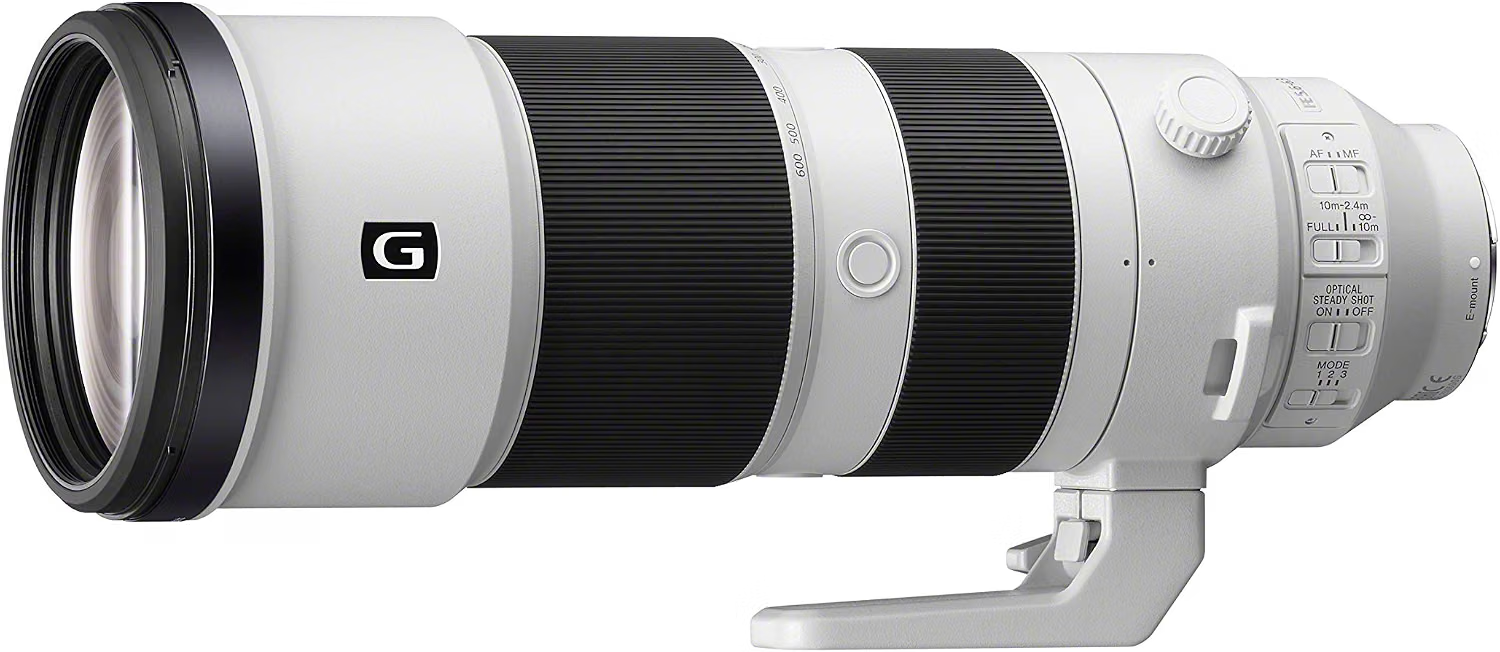
Lenses are key to getting close to the Pantanal’s wildlife without disturbing it. Telephoto lenses are undoubtedly the most important. For bird photography, focal lengths starting at 300mm and going up to 600mm or even more are recommended, especially when used with teleconverters. A 400mm or 500mm lens is an excellent starting point for most situations, allowing you to capture impressive details of birds at a considerable distance.
The maximum aperture of the lens also plays an important role. Wide apertures, such as f/2.8 or f/4, allow more light to be captured, which is vital in the often-changing lighting conditions of the Pantanal. Additionally, a wide aperture helps isolate the subject from the background, creating a smooth bokeh effect that highlights the bird. While lenses with very wide apertures can be expensive, their performance in bird photography justifies the investment for many professionals and serious enthusiasts.
In addition to long telephoto lenses, other lenses can be useful. A macro lens can be excellent for capturing details of smaller birds or for photographing the complementary flora and fauna of the Pantanal. A versatile zoom lens, such as a 70-200mm f/2.8, can be useful for larger birds or for context shots when you are closer, although the focal length of prime telephoto lenses is generally preferred for most bird photography.
Indispensable Accessories for Your Photographic Equipment in the Pantanal
Beyond the camera and lenses, a series of accessories are fundamental for a successful and comfortable photographic experience in the Pantanal. A sturdy tripod or monopod is essential for stabilizing your equipment, especially when using long telephoto lenses. This not only improves the sharpness of your images by reducing camera shake but also allows you to shoot for longer periods without fatigue, which is crucial when patiently waiting for the perfect opportunity.
Extra batteries and high-capacity, high-speed memory cards are a must. Long photography days, often far from power sources, make running out of battery a serious problem. Similarly, memory cards must be fast enough to handle the burst shooting of a modern camera and large enough to store thousands of RAW images. Cards with write speeds of at least 100 MB/s are recommended.
Protection from the elements is another vital consideration. The Pantanal can be a humid and dusty environment. A waterproof camera and lens cover will protect you from unexpected rain and high humidity. Dry bags or padded carrying cases are ideal for keeping your gear safe when not in use or during transit. Also consider protective filters for your lenses, which can help prevent scratches and reduce glare.
Finally, a comfortable and functional camera backpack is crucial for carrying all your equipment. Look for a backpack that offers padded compartments for your camera, lenses, and accessories, as well as space for personal items like water, sunscreen, and insect repellent. Comfort during long hikes or boat trips is paramount to fully enjoy the photographic experience.
Comparison of Key Equipment for Bird Photography
| Equipment | Recommendation | Key Features | Importance in the Pantanal | Price Range (USD) |
|---|---|---|---|---|
| Camera (DSLR/Mirrorless) | APS-C or Full Frame Sensor, 10+ fps, Advanced AF | Shooting Speed, Tracking AF, ISO Performance | Capturing fast action, detail in variable conditions | 800 – 3000+ |
| Telephoto Lens | 300mm – 600mm (f/4, f/5.6, f/6.3) | Focal Length, Max Aperture, Weight | Getting close to birds without disturbing them | 600 – 2000+ |
| Tripod/Monopod | Sturdy and Stable | Stability, Vibration Reduction | Sharpness with long telephotos, comfort | 100 – 500+ |
| Memory Cards | SDXC UHS-II (or higher), 128GB+ | Write Speed, Capacity | Burst shooting, storing RAW files | 30 – 100+ |
| Extra Batteries | Original or High Quality | Capacity, Reliability | Avoiding power loss on long days | 30 – 100+ |
Additional Tips for Optimizing Your Bird Photography Gear in the Pantanal
Setting up your camera correctly is fundamental to getting the most out of your gear in the Pantanal. Use continuous focus mode (AI Servo on Canon, AF-C on Nikon/Sony) along with a focus area mode that allows you to track the subject. If your camera allows, enable bird eye-tracking. For exposure, aperture-priority mode (Av/A) or manual mode (M) gives you more control, especially when balancing depth of field and shutter speed to freeze motion.
Take advantage of the Pantanal’s natural light. The golden hours of morning and evening offer soft, warm light that enhances the colors and textures of the birds. If you encounter harsh midday light, seek shade or use a diffuser if possible. Learn to anticipate bird behavior: where they tend to perch, when they feed or interact. Patience and observation are as important as technology.
Adapting to the Pantanal’s climate and terrain is key. The heat and humidity can be intense, so ensure your equipment is protected and that you stay hydrated. The terrain can be uneven, so good footwear and a stable tripod will help you maintain balance. Familiarize yourself with your equipment before your trip so you can operate the controls without taking your eyes off your subject.
Frequently Asked Questions About Equipment for Bird Photos in the Pantanal
Preparing for a photographic expedition to the Northern Pantanal can raise many questions, especially regarding equipment. It’s natural to want to ensure you have everything you need to capture the incredible birdlife that inhabits this region. Below, we answer some of the most common questions to help you plan your trip and optimize your photographic results.
Investing in the right equipment not only improves the quality of your photographs but also enriches the overall experience of photographing wildlife. From the choice of camera to the smallest accessories, each element contributes to your ability to document the beauty of the Pantanal.
What type of camera is best for beginners who want to photograph birds in the Pantanal?
For beginners looking to get into bird photography in the Pantanal, an entry-level or mid-range Mirrorless or DSLR camera is an excellent choice. Look for models that offer good high ISO performance, allowing you to shoot in low-light conditions without excessive noise. A decent autofocus system, capable of tracking moving subjects, is also very important. Cameras with flip-out or articulating screens make it easier to shoot from low angles, common when photographing birds on the ground or near water.
You don’t need to invest in the most expensive equipment right away. A camera that offers manual controls, the ability to shoot in RAW format, and a good autofocus system will be sufficient for learning and growing as a photographer. Also consider the availability of compatible lenses and the size and weight of the equipment, as you will spend many hours with it in your hands.
Do I need a very long telephoto lens to capture birds in the Pantanal?
While a very long telephoto lens (like 500mm or 600mm) is ideal for getting close-ups of birds at a distance, it’s not strictly mandatory, especially for beginners or if your budget is limited. A lens with a focal length of 300mm to 400mm can be an excellent starting point and will allow you to capture a good variety of birds. If your camera has an APS-C sensor, the crop factor will effectively increase the reach of your lens.
The key is versatility and patience. Sometimes, a zoom lens like a 70-300mm or 100-400mm can offer useful flexibility for different situations. Furthermore, learning to approach birds stealthily or to use blinds can compensate for the lack of extreme focal length. A good eye and an understanding of bird behavior are often worth as much as the most powerful equipment.
What other accessories are crucial besides the camera and lens?
Besides the camera and lens, several accessories are crucial for a successful photographic experience in the Pantanal. A sturdy tripod or monopod is essential for stability, especially when using long telephoto lenses, and to reduce fatigue. Extra batteries are a must, as long photography days can quickly drain your camera’s power. High-speed, large-capacity memory cards are necessary for capturing bursts of photos and storing high-resolution RAW files.
Protection from the elements is vital. A waterproof cover for your camera and lenses will protect you from rain and humidity. Also consider carrying protective filters for your lenses, as well as a microfiber cloth to keep them clean. A comfortable, padded backpack is essential for carrying and protecting all your gear during your expeditions.
How do I protect my equipment from humidity and dust in the Pantanal?
Protecting your equipment from humidity and dust in the Pantanal is a priority to ensure its longevity and functionality. Use specific waterproof covers for cameras and lenses, especially during the rainy season or in areas with high humidity. Dry bags are excellent for carrying extra gear or protecting it when not in use, especially during boat trips. After exposure to humidity, it’s advisable to dry the equipment with a soft, clean cloth before storing it.
For dust, use an air blower to gently clean the sensor and optical elements. Avoid using your fingers or cloths that could scratch. Regularly clean the exterior of your camera and lenses with a microfiber cloth. If working in very dusty conditions, consider using a UV or protective filter on your lenses as an extra barrier. Storing your equipment in a dry environment when not in use also helps prevent moisture damage.