 PT
 EN
 ES
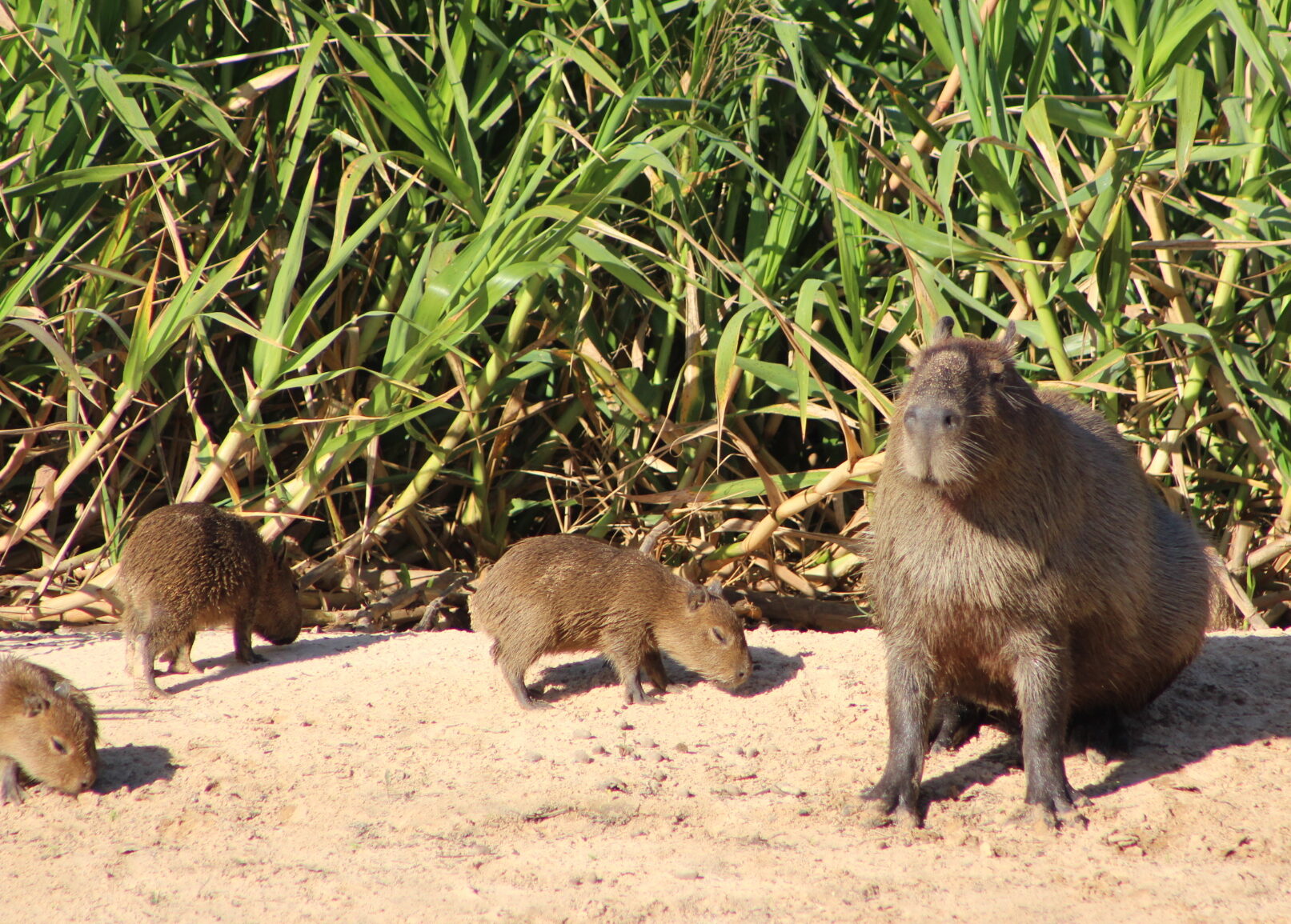
The Pantanal is a sanctuary of biodiversity. Its vast floodplains and winding rivers are home to an astonishing variety of wildlife, offering unparalleled wildlife viewing experiences. Among the many fascinating species that inhabit it, the capybara, the world's largest rodent, has become a symbol of life in the Pantanal. Its docile nature and frequent presence near aquatic areas make it a popular subject for photographers and wildlife observers. The recurring question for those planning a visit is whether it is indeed possible to spot these charismatic animals in the northern region of the Pantanal.
The Pantanal is a sanctuary of biodiversity. Its vast floodplains and winding rivers are home to an astonishing variety of wildlife, offering unparalleled wildlife viewing experiences.
Among the many fascinating species that inhabit it, the capybara, the world’s largest rodent, has become a symbol of life in the Pantanal. Its docile nature and frequent presence near aquatic areas make it a popular subject for photographers and wildlife observers. The recurring question for those planning a visit is whether it is indeed possible to spot these charismatic animals in the northern region of the Pantanal.
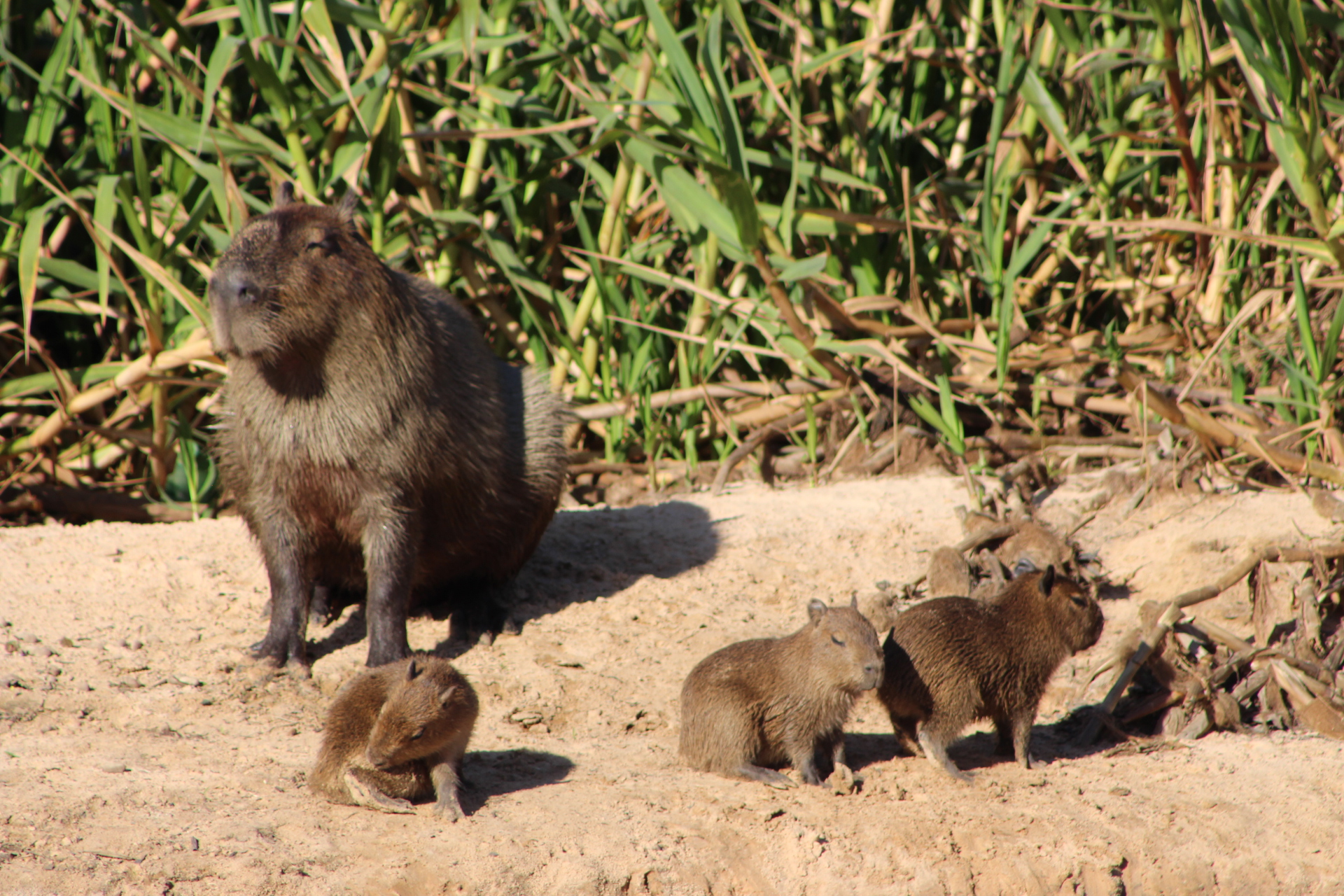
Is It Possible to See Capybaras in the Northern Pantanal?
The answer is yes. The Northern Pantanal, much like its southern counterpart, offers an ideal habitat for capybara proliferation. These semi-aquatic rodents thrive in the extensive grasslands and bodies of water that characterize this region. The abundance of aquatic and terrestrial vegetation, their primary food source, along with the presence of rivers, lagoons, and swamps, creates a perfect environment for their development and reproduction. Therefore, planning a visit to the Northern Pantanal with the goal of observing capybaras is a completely achievable and rewarding objective.
The topography of the Northern Pantanal, characterized by its alluvial plains and a complex water network, facilitates capybara sightings. They are often found in family groups peacefully grazing on the banks or diving into the water to cool off or escape predators. The likelihood of seeing them is high, especially if you visit the right areas and have an adequate guide who knows their habits and preferred territories. Their presence is an indicator of the ecosystem’s health, and observing them in their natural environment is a memorable experience.
Best Times to See Capybaras in the Northern Pantanal
The Northern Pantanal experiences two main seasons: dry and wet, each with its peculiarities that influence the visibility and behavior of capybaras. The dry season, generally from May to September, is considered by many to be the best time for sightings. During these months, the waters of rivers and lagoons recede, concentrating wildlife in smaller, more visible bodies of water. Capybaras, like other animals, gather near the remaining water sources, making them easier to locate on riverbanks and in exposed grazing areas.
On the other hand, the wet season, spanning from October to April, brings an increase in water levels and an explosion of vegetation. While floods can disperse capybaras into wider, harder-to-reach areas, the abundance of fresh food and denser vegetation cover allows them to reproduce and raise their young in a safer environment. During this period, they can be more difficult to spot amidst the dense vegetation, but their presence remains constant, especially in higher areas that do not flood completely.
Regardless of the season, the key to successful sightings lies in patience and choosing the right time of day. Capybaras are most active during the cooler hours of dawn and dusk when they come out to graze. During the heat of midday, they usually rest in the shade or seek refuge in the water. Considering these behavioral patterns will significantly increase your chances of encountering them.
- Dry Season (May – September):
- Higher concentration of animals near water.
- More exposed grasslands facilitate observation.
- Less vegetation cover, better visibility.
- Wet Season (October – April):
- Abundance of fresh food.
- Reproduction and raising of young.
- Greater difficulty in spotting due to dense vegetation.
Capybara Habitats and Behavior in the Northern Pantanal
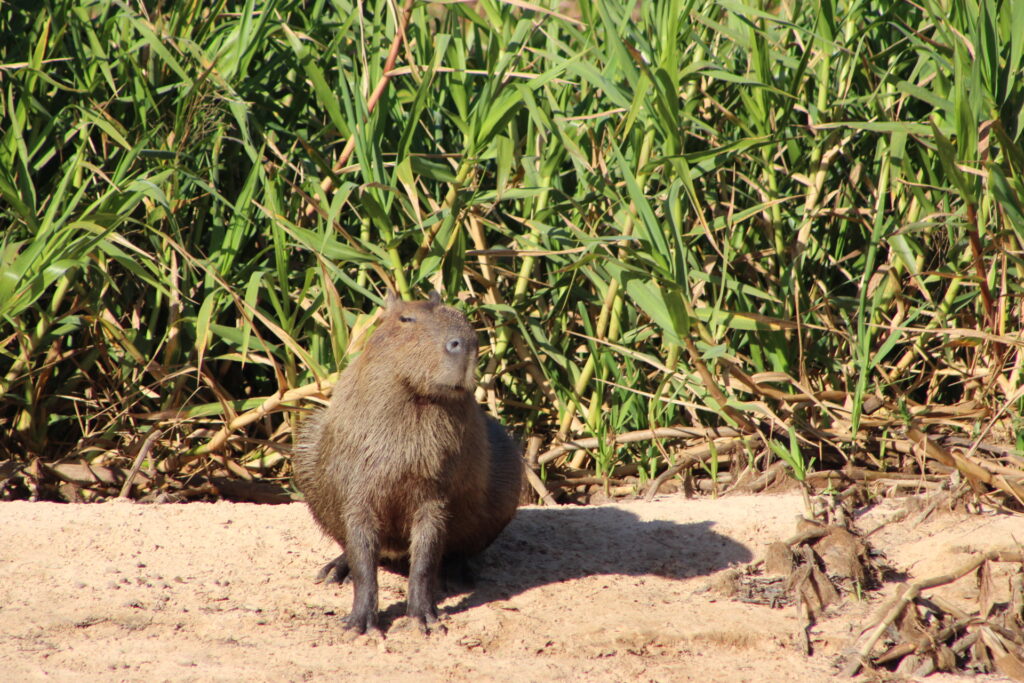
Capybaras are animals intrinsically linked to water. Their preferred habitat in the Northern Pantanal includes areas adjacent to rivers, lakes, lagoons, swamps, and wetlands. They need constant access to water for drinking, cooling off, escaping predators, and as their primary food source. Grasslands rich in herbs and aquatic plants are equally crucial, as they form the basis of their herbivorous diet. They tend to inhabit areas where vegetation is abundant, providing them with both food and shelter, creating a perfect balance for their vital needs.
Regarding their behavior, capybaras are very social and generally peaceful animals. They live in family groups that can vary in size, from a few pairs to herds of up to 20 or 30 individuals, especially during the dry season when water resources are more limited and they gather in larger numbers. They spend much of the day grazing, primarily at dawn and dusk, and dedicate the rest of their time to resting, socializing within the group, and bathing to regulate their body temperature and protect themselves from insects.
When they feel threatened, their first reaction is to run towards the water, where they are surprisingly agile swimmers and divers. They can remain submerged for several minutes, leaving only their eyes and nostrils above water to keep watch. This adaptation allows them to effectively evade predators such as jaguars, pumas, and caimans. Observing their group interactions, feeding rituals, and their relationship with the aquatic environment offers a fascinating window into the dynamics of wildlife in the Pantanal.
| Northern Pantanal Area | Capybara Sighting Ease | Habitat Characteristics | Suggested Best Season | Relevant Activities |
|---|---|---|---|---|
| Parque Nacional da Nascentes do Rio Taquari | High | Extensive grasslands, rivers, and lagoons. | Dry season (May-September) | Hiking, boat trips, bird watching. |
| Reserva Particular do Patrimônio Natural (RPPN) Fazenda San Francisco | Very High | Near rural properties, easy access to grazing and water areas. | All year round, especially in the dry season. | Photo safaris, horseback riding, wildlife viewing. |
| Areas near Miranda and Corumbá | Moderate to High | Variety of fazendas (ranches) with access to rivers and floodplains. | Dry season for higher concentration. | Boat trips, 4×4 vehicle tours. |
| Parque Estadual do Rio Negro | Moderate | Denser forest, but with rivers and open areas. | Dry season, but requires more searching. | River exploration, guided walks. |
Practical Tips for Capybara Sightings in the Northern Pantanal
To maximize your chances of seeing capybaras in the Northern Pantanal, it is essential to plan ahead and adopt an approach that respects nature. Patience is your best ally; dedicate time to observing riverbanks and grazing areas, especially during the early morning and late afternoon hours, which are their most active times. Consider staying at eco-lodges or fazendas that specialize in nature tourism, as they usually have experienced guides who know the best sighting spots and animal habits.
The right equipment can make a big difference. Good binoculars are essential for observing capybaras and other wildlife from a distance without disturbing them. A camera with a good zoom will allow you to capture memorable images. It is important to remember that you are visiting their home, so respect for their space and behavior is paramount. Maintain a safe distance, avoid making loud noises, and never try to feed or touch the animals. Responsible observation ensures the preservation of their habitat and natural behavior for future generations.
Here is a list of steps to follow for successful and responsible sightings:
- Research and choose an area in the Northern Pantanal known for its capybara population and its focus on sustainable tourism.
- Consider hiring an experienced local guide who knows the best places and times to spot capybaras.
- Bring good quality binoculars and a camera with a telephoto lens.
- Be patient and dedicate time to observation, especially at dawn and dusk.
- Maintain a respectful distance and avoid any actions that could stress or alter the animals’ natural behavior.
- Do not feed or try to touch the capybaras.
- Learn about local conservation rules and respect them.
Frequently Asked Questions about Capybaras in the Northern Pantanal
Here we answer some of the most common questions that arise when planning a trip to see capybaras in this incredible region of the Pantanal.
Are capybaras aggressive towards humans in the Northern Pantanal?
In general, capybaras are extremely docile and peaceful animals. They do not exhibit aggressive behavior towards humans and tend to flee if they feel threatened. Their calm nature makes them one of the most accessible animals to observe in the Pantanal. It is important to remember that, although they are peaceful, they are still wild animals and should be treated with respect and from a safe distance to avoid causing them stress.
Their primary defense instinct is to escape into the water. Therefore, if you get too close or make them uncomfortable, they will simply dive or swim away. Significant aggressive behavior from capybaras towards tourists in the Pantanal has never been reported, underscoring their gentle temperament and their role as an integral and harmonious part of the ecosystem.
Is it safe to swim near where capybaras are in the Northern Pantanal?
Swimming in the Northern Pantanal, as in any natural environment, carries certain inherent risks. While capybaras themselves do not pose an aggressive threat, it is important to be aware that they share the aquatic habitat with other animals, such as caimans and piranhas, which can be dangerous. Capybaras often prefer calmer, shallower water areas where they graze and take shelter, and their presence does not necessarily indicate immediate danger.
The general recommendation is to swim only in designated and safe areas, preferably under the supervision of local guides who are aware of potential dangers and safe zones. While it is unlikely for a capybara to attack, caution is key when sharing the water with the diverse fauna of the Pantanal. Observing capybaras from the shore or from a boat is always the safest option to enjoy their presence.
What other animals can be seen alongside capybaras in the Northern Pantanal?
The Northern Pantanal is a mosaic of wildlife, and capybaras often share their habitat with an impressive variety of other species. It is common to see them grazing near herds of marsh deer, or being watched by birds of prey such as the caracara or the harpy eagle from above. Yacare caimans are frequent neighbors, often resting on the same sandy banks or in the water, in a tense but generally peaceful coexistence.
Additionally, it is possible to spot capybaras in the company of howler monkeys in nearby trees, coatis exploring the undergrowth, and a vast diversity of water birds such as herons, storks, and ducks. The richness of the Pantanal’s fauna means that a capybara sighting can easily turn into an opportunity to observe many other emblematic species of this incredible ecosystem, making every outing an unpredictable and exciting adventure.
Are guided tours required to see capybaras in the Northern Pantanal?
While it is not strictly mandatory to hire guided tours to see capybaras in the Northern Pantanal, it is highly recommended, especially if it is your first visit. Local guides possess invaluable knowledge about animal habits, their preferred feeding and resting spots, and the best times of day to spot them. Their expertise can significantly maximize your chances of a successful encounter and often lead you to areas that would otherwise be difficult to access or identify.
In addition to enhancing the sighting experience, guides also play a crucial role in safety and promoting responsible tourism practices. They will help you maintain a safe distance from wildlife, inform you about potential dangers, and teach you how to interact with the environment respectfully. For a more enriching, informative, and safe experience, opting for a guided tour is undoubtedly the best choice for exploring and enjoying the wildlife of the Northern Pantanal.