 PT
 EN
 ES

The Northern Pantanal of Brazil is a nature-watching destination. Among its most charismatic inhabitants is the giant anteater, a fascinating and elusive creature. The question that arises for many visitors is whether spotting these magnificent animals is an accessible experience or a mere pipe dream in this natural paradise.
The Northern Pantanal of Brazil is a nature-watching destination. Among its most charismatic inhabitants is the giant anteater, a fascinating and elusive creature. The question that arises for many visitors is whether spotting these magnificent animals is an accessible experience or a mere pipe dream in this natural paradise.
This article delves into the keys to unraveling the possibility of spotting anteaters in the Northern Pantanal. We will explore the factors influencing their visibility, the best times and places to find them, and provide practical tips to maximize your opportunities. Get ready to discover if your next adventure in the Northern Pantanal will allow you to fulfill the dream of seeing this iconic mammal up close.

Is it easy to see anteaters in the Northern Pantanal? Your definitive guide
The Northern Pantanal is one of the most impressive wildlife sanctuaries on the planet, and the chance to spot giant anteaters is a major draw for many travelers. While the region offers exceptional conditions for wildlife viewing, the ease of seeing these animals is not an absolute guarantee. It depends on a complex interplay of natural factors and the planning of your visit. The key lies in understanding these elements to optimize your chances and fully enjoy the experience.
Unlike other more conspicuous animals, anteaters are solitary and often nocturnal or crepuscular creatures, which can make spotting them a challenge. However, searching for them in the Northern Pantanal is a rewarding adventure. With the right information and attitude, you can significantly increase your odds of coming face-to-face with this incredible mammal, making your trip an unforgettable experience.
Factors influencing whether it’s easy to see anteaters in the Northern Pantanal
The visibility of anteaters in the Northern Pantanal is subject to a series of interrelated factors that determine their behavior and distribution. Understanding these elements is crucial for planning a successful expedition. Among the most important are:
- Season: The dry season, generally from May to September, is ideal as animals concentrate near water sources and roads become more accessible.
- Climate: Moderate temperatures, especially during the early morning or late afternoon, are when anteaters are usually most active.
- Animal behavior: Their solitary nature and feeding habits, which involve long hours searching for ants and termites, can make them go unnoticed.
- Habitat: They prefer areas with open vegetation, savannas, and forest edges, where they can easily find their food.
- Guide’s experience: A local guide knowledgeable about the terrain and wildlife behavior is invaluable for increasing sighting opportunities.
The rainy season, on the other hand, can make access to certain areas difficult and disperse the animals. However, it can also cause some individuals to move to more open areas in search of food. The key is adaptability and following the recommendations of local experts, who know the anteaters’ movement patterns throughout the year.
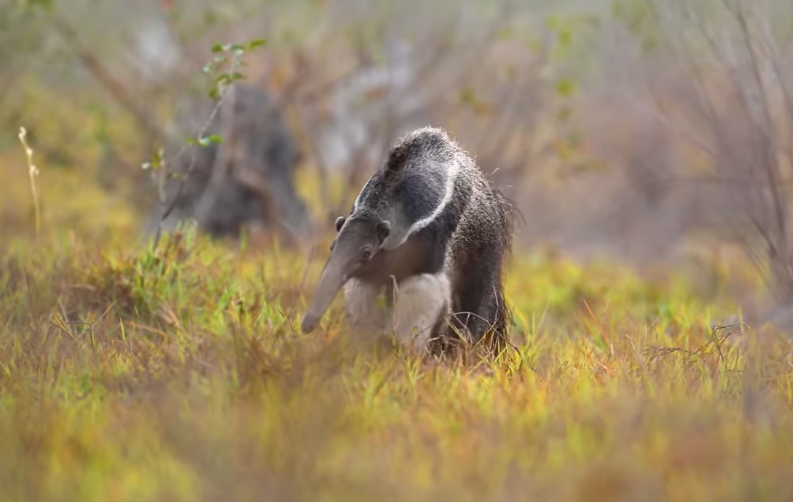
Patience is a fundamental virtue when searching for these animals. They are not animals easily seen on a quick walk. They require time and dedication to be located. Observation may involve long waits at strategic points or slow, silent treks through suitable habitat. The reward of a successful sighting, however, makes the effort worthwhile.
Best times and places to spot anteaters in the Northern Pantanal
To maximize your chances of seeing anteaters in the Northern Pantanal, it is essential to choose the right time and head to the most promising areas. The dry season, which spans approximately from May to September, is considered the optimal time for wildlife viewing in general, and this includes anteaters. During these months, the water level drops, concentrating animals in more accessible areas and making them easier to find.
Within the vast Northern Pantanal, some regions stand out for offering higher probabilities of sightings. The area around the Transpantaneira, a scenic road that cuts through the heart of the Pantanal, is particularly promising. Lodges and reserves located along this route often offer safaris and guided walks designed for wildlife observation, including anteaters. These areas have the right habitat and experienced guides who know the best places and times to find them.
- Encontro das Águas State Park: Known for its high wildlife density.
- Porto Jofre Region: Famous for being one of the best places to see jaguars, but also offers good opportunities for anteaters.
- Areas near the Transpantaneira: Lodges and farms offering specialized tours.
- Photographic safaris in open vehicles: Allow covering more ground and observing animals in their habitats.
- Guided walks: Ideal for exploring trails and spotting anteater tracks.
- Be patient and flexible: Sightings don’t always happen when you want them to.
- Hire expert guides: Their knowledge is invaluable.
- Use binoculars and zoom cameras: For detailed and respectful observation.
- Dress discreetly: Neutral colors help not to alert the animals.
- Maintain silence and respect: Do not alter the natural behavior of the wildlife.
- Responsible photography without flash: Avoid using direct flash, especially at night.
Practical tips to increase your chances of seeing anteaters in the Northern Pantanal
To make your search for anteaters in the Northern Pantanal as fruitful as possible, it is essential to come prepared and adopt a patient and respectful attitude. Bringing the right equipment can make a big difference. This includes comfortable clothing in neutral colors to blend in with the environment, insect repellent, sunscreen, a hat, and of course, binoculars and a camera with a good zoom to document your sightings without disturbing the animals.
Behavior during observation is equally important. Maintain silence so as not to scare the wildlife and always follow your guide’s instructions. Remember that you are in their home, and your goal is to observe, not interfere. Patience is a key virtue; anteaters are not easy to find and may require hours of searching. Don’t get discouraged if you don’t see them immediately. Every moment in the Pantanal is an opportunity to learn and enjoy its incredible biodiversity.
Additionally, consider taking safaris at dawn or dusk, times when anteaters are usually most active. Being in the right place, at the right time, and with the right attitude are the pillars for a successful anteater sighting experience in the Northern Pantanal.
Frequently asked questions about whether it’s easy to see anteaters in the Northern Pantanal
Below, we answer some of the most common questions that arise when planning a visit to the Northern Pantanal with the aim of spotting giant anteaters, clarifying expectations and offering practical advice for a rewarding experience.
What is the best time of year to see anteaters in the Northern Pantanal?
The best time to spot anteaters in the Northern Pantanal is during the dry season, which generally runs from May to September. During these months, rainfall is scarce, causing water levels to drop and animals to concentrate in more accessible areas in search of food and water. Roads and trails also become more passable, facilitating access to the areas where these mammals usually inhabit.
Although the dry season is the most recommended, anteaters can be spotted year-round. However, the probability is higher in the dry months due to the concentration of wildlife and the ease of movement through the terrain. Local guides are the ones who best know the behavioral patterns and areas of greatest activity according to the season, so their recommendations are crucial.
What is the probability of seeing an anteater on a one-day tour?
The probability of seeing an anteater on a one-day tour in the Northern Pantanal can vary considerably. While possible, it is not a guarantee, as it depends on factors such as luck, time of day, the specific location of the tour, and the guide’s skill. Anteaters are solitary animals and can be elusive, spending much of the day foraging or resting.
A one-day tour can be sufficient if it focuses on areas known to have a good anteater population and is conducted at the right time of day (early morning or late afternoon). Hiring an experienced guide significantly increases the chances, as they know the habits and preferred spots of these animals. However, it is important to have realistic expectations and enjoy the overall Pantanal experience, regardless of whether the sighting is achieved.
Are there any risks when trying to see anteaters in the Northern Pantanal?
In general, trying to see anteaters in the Northern Pantanal is a safe activity if you take the appropriate precautions and follow expert guidance. The main risks do not come directly from the anteaters themselves, as they are peaceful animals and avoid conflict. However, like any wildlife, they can defend themselves if they feel threatened. The greatest danger lies in the natural environment of the Pantanal.
Potential risks include the possibility of encounters with other wild animals (such as caimans or anacondas, although they are rare and generally avoid humans), insect bites (mosquitoes, ticks) that can transmit diseases, and dangers associated with terrain conditions, especially during the rainy season. It is essential to follow the guides’ recommendations, stay on designated trails, use insect repellent, and wear protective clothing to minimize any risks.
What equipment is essential for anteater observation?
For a successful and comfortable experience in searching for anteaters in the Northern Pantanal, certain equipment is essential. First and foremost, good binoculars are crucial for observing animals from a distance without disturbing their natural behavior. A camera with a good zoom is also highly recommended for capturing quality images without getting too close.
In addition to optical equipment, it is important to wear appropriate clothing: long pants and long-sleeved shirts in neutral colors (greens, browns, khakis) to camouflage yourself and protect yourself from insects and the sun. A wide-brimmed hat, high-factor sunscreen, and an effective insect repellent are essential. Comfortable and sturdy footwear for walking, as well as a reusable water bottle to stay hydrated, complete the list of essential equipment.