 PT
 EN
 ES
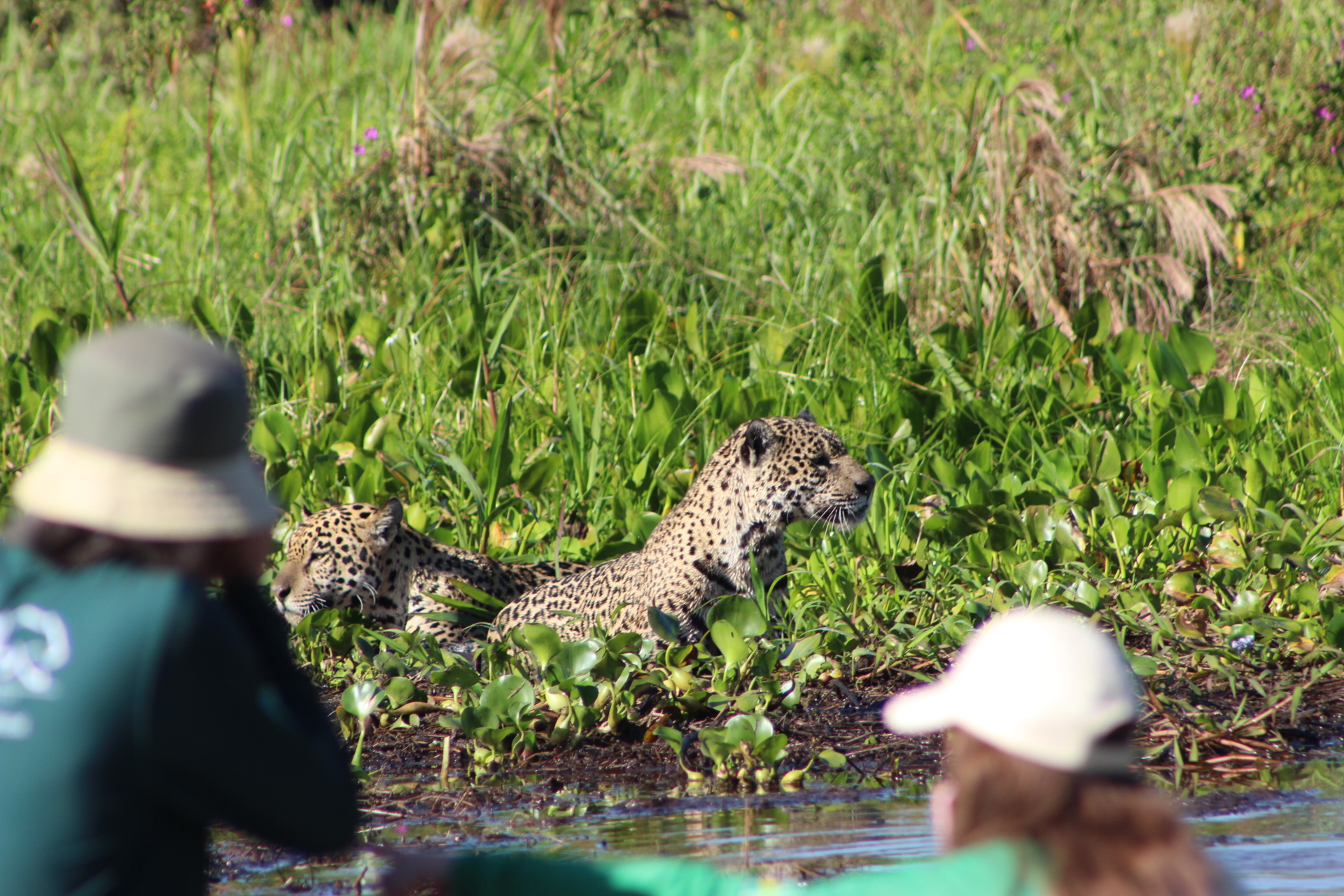
A group photographic expedition to this region: from majestic jaguars to colorful birds, the Northern Pantanal promises the opportunity to capture images that convey emotion and last a lifetime.
A group photographic expedition to this region: from majestic jaguars to colorful birds, the Northern Pantanal promises the opportunity to capture images that convey emotion and last a lifetime.
Discover the Adventure: Northern Pantanal Group Photography Expedition
The Northern Pantanal is a destination for any wildlife photographer. Its vastness, characterized by rivers, lagoons, and extensive savannas, holds a concentration of animals rarely seen. Group expeditions enhance this experience, allowing for the sharing of discoveries, techniques, and the thrill of each sighting.
Prepare for an unforgettable adventure where patience and skill will be rewarded with spectacular images. From the stealthy jaguar lurking on the riverbank to capybaras in their families or the vibrant dance of waterfowl, the Northern Pantanal invites you to witness and chronicle wildlife in its fullest expression. This is your chance to capture the essence of one of the world’s most important ecosystems.
Plan Your Northern Pantanal Group Photography Expedition: The Essentials
Organizing a photographic expedition to the Northern Pantanal requires careful planning to maximize opportunities and ensure a comfortable and fruitful experience. The best time to visit is usually during the dry season (approximately May to September), when water levels recede, concentrating animals around the remaining water sources and making them easier to observe. However, the wet season also offers lush landscapes and unique opportunities for bird photography and capturing the immensity of the flooded scenery.
The recommended duration for a photographic expedition is at least 7 to 10 days, allowing time to explore different areas and adapt to nature’s rhythms. Regarding equipment, it is essential to have a camera with interchangeable lenses, preferably a powerful telephoto lens (300mm or more) to capture wildlife from a distance, and a wide-angle lens for landscapes. Don’t forget extra batteries, memory cards, a stable tripod or monopod, and good cleaning equipment for your camera gear, given the often dusty or humid environment.
In addition to photographic equipment, clothing plays a crucial role. Light, breathable clothing in neutral colors is recommended to avoid scaring animals. A wide-brimmed hat, sunglasses, sunscreen, and insect repellent are indispensable. It is also useful to bring a light raincoat, comfortable walking shoes, and waterproof boots if you plan to explore wetter areas. A sturdy backpack to carry your gear during daily excursions is essential.
| Key Wildlife and Landscapes | Description | Photography Opportunities |
|---|---|---|
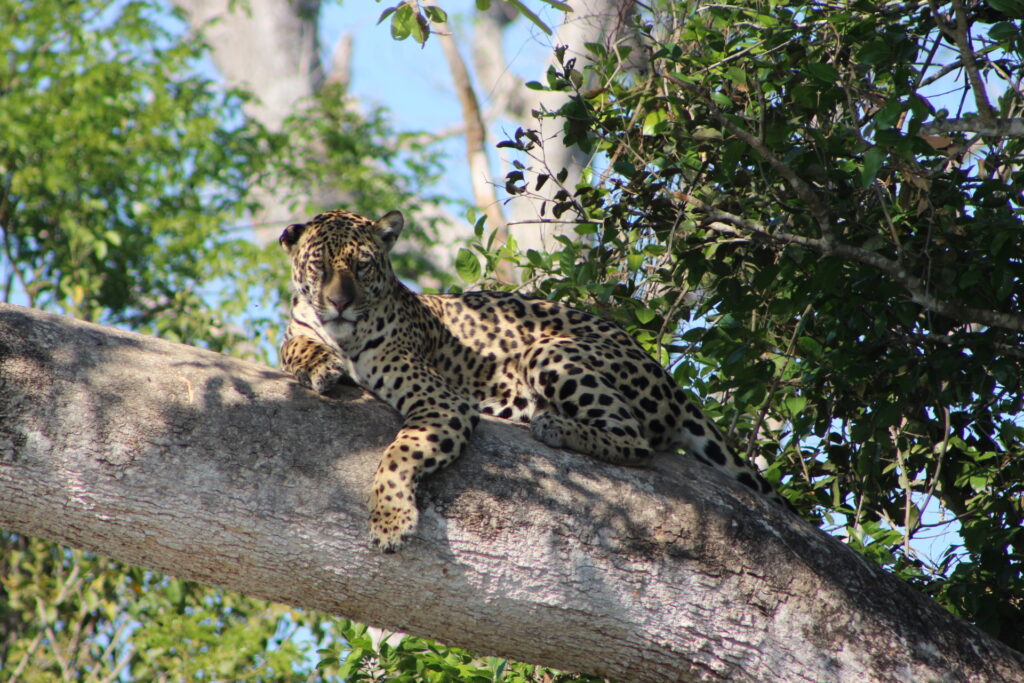
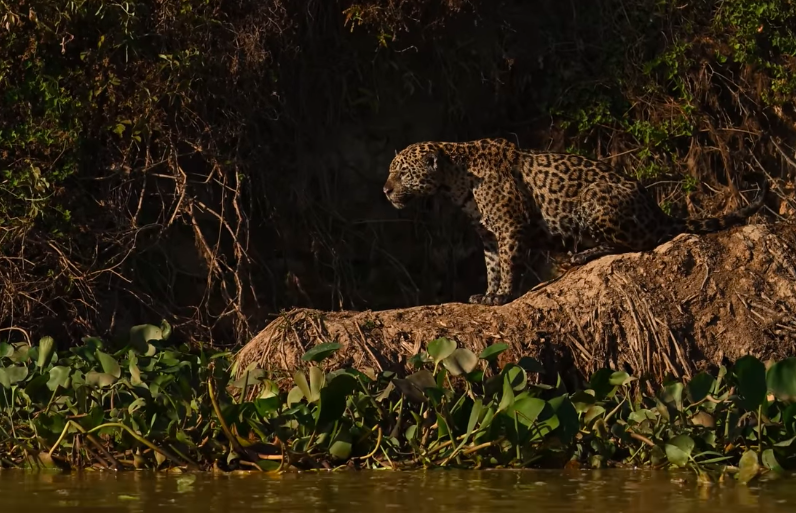
| Jaguar | The largest feline in the Americas, often seen hunting or resting near rivers. | Portraits, hunting scenes, interaction with the environment. Requires patience and luck. |
| Capybara | The world’s largest rodent, social and frequently seen in groups near water. | Social behavior, family interactions, everyday scenes on the riverbank. |
| Pantanal Caiman | An emblematic reptile of the Pantanal, found in rivers and lagoons. | Close-ups of scales, piercing eyes, sunbathing animals on the banks. |
| Waterfowl (Herons, Storks, Ducks) | Great diversity of birds, including toucans, macaws, and wading birds. | Birds in flight, nesting, feeding, and colorful plumage photography. |
| Riverine Landscapes and Flooded Savannas | Vast wetlands, winding rivers, and extensive plains that change dramatically with the seasons. | Spectacular sunrises and sunsets, reflections on the water, panoramic views of the immensity. |
Techniques and Tips for Wildlife Photography in the Northern Pantanal
Capturing the essence of wildlife in the Northern Pantanal demands a combination of patience, knowledge of animal behavior, and appropriate photographic techniques. Using a telephoto lens is crucial for visually getting closer to animals without disturbing their natural environment. Experiment with different apertures to control depth of field; a wide aperture (low f-number) will isolate the subject from the background, while a narrower aperture (high f-number) will keep more elements in focus, ideal for landscapes with wildlife.
Composition plays a vital role. Apply the rule of thirds, look for natural leading lines, and pay attention to the background to avoid distractions. Take advantage of the golden hour light in the early morning and late afternoon to obtain images with a warm atmosphere and soft shadows. In low-light conditions, such as at dawn or dusk, increase the ISO cautiously to avoid excessive noise, or use a tripod to keep the camera steady and allow for slower shutter speeds.
Respect for wildlife is paramount. Maintain a safe distance, avoid making loud noises or sudden movements that could stress the animals. Learn to read their body language; if they show signs of discomfort, back away. Often, the best wildlife photography is achieved by patiently waiting for the animal to act naturally. Consider using continuous shooting modes to capture action sequences.
Suggested Itinerary for an Unforgettable Northern Pantanal Photography Expedition
A typical 8-day itinerary in the Northern Pantanal might begin in Cuiabá, followed by a transfer to a lodge or pousada in the Poconé region, the gateway to the Transpantaneira. The first few days will be dedicated to exploring the lodge’s surroundings, searching for jaguars, caimans, and a wide variety of birds. Excursions in 4×4 vehicles and boat trips along the rivers will offer unique photographic perspectives, especially during the golden hours.
The intermediate days will focus on more remote or specific areas, perhaps with an emphasis on anaconda spotting or landscape photography at sunrise and sunset. Guided walks may be included to observe smaller flora and fauna. The last day will allow for a final morning photo outing before returning to Cuiabá, consolidating the experiences and captured images, culminating a memorable visual adventure in one of the planet’s most stunning wildlife sanctuaries.
Frequently Asked Questions about Your Northern Pantanal Group Photography Expedition
Addressing common questions is essential to ensure future participants feel confident and prepared for their photographic adventure in the Northern Pantanal. Below, we cover some of the most frequent inquiries that typically arise when planning this type of trip.
What is the best time for a group photography expedition in the Northern Pantanal?
The best time for a photographic expedition in the Northern Pantanal is during the dry season, which generally runs from May to September. During these months, water levels recede, concentrating wildlife around the remaining water sources, making sightings, especially of jaguars, more probable and accessible. However, the wet season (October to April) offers lush landscapes and unique opportunities for photographing migratory birds and the vastness of the flooded scenery.
What level of photography experience is required to join the expedition?
Our group photography expeditions in the Northern Pantanal are designed to be accessible to both beginner and experienced photographers. While a basic understanding of your camera is helpful, our expert guides will share tips and techniques to help you get the best shots, regardless of your skill level. The most important thing is a passion for nature and photography.
What type of accommodation is typically offered on the expeditions?
During photographic expeditions in the Northern Pantanal, accommodation is usually in nature lodges or rustic, cozy pousadas. These facilities are strategically located to maximize access to wildlife viewing areas and offer essential amenities, including private rooms, common areas, and delicious meals. The goal is to provide a comfortable and authentic base for your photographic adventure.
Is it safe to travel in a group for a photography expedition to the Northern Pantanal?
Yes, traveling in a group for a photography expedition to the Northern Pantanal is safe. We have experienced local guides who are thoroughly familiar with the region and its safety protocols. Additionally, standard precautions for wildlife and the environment are taken. Small groups allow for more personalized attention and efficient management of activities, ensuring an experience that is both exciting and safe for all participants.