 PT
 EN
 ES
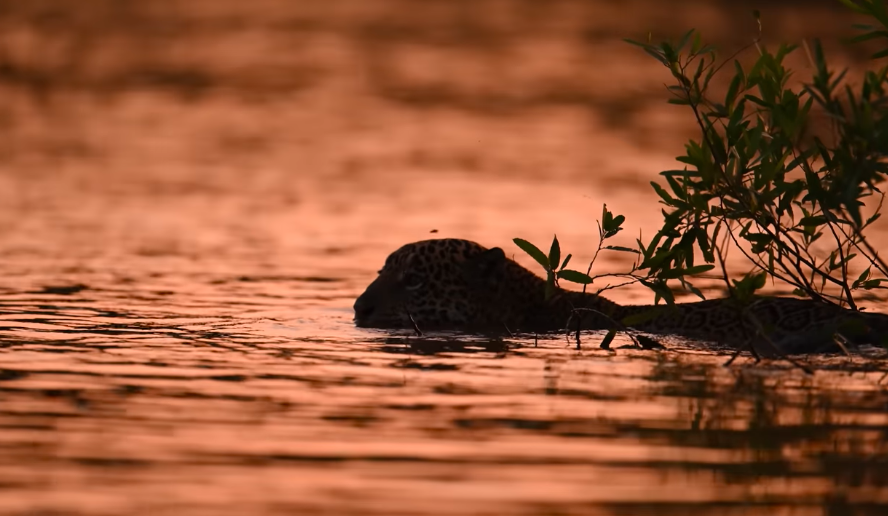
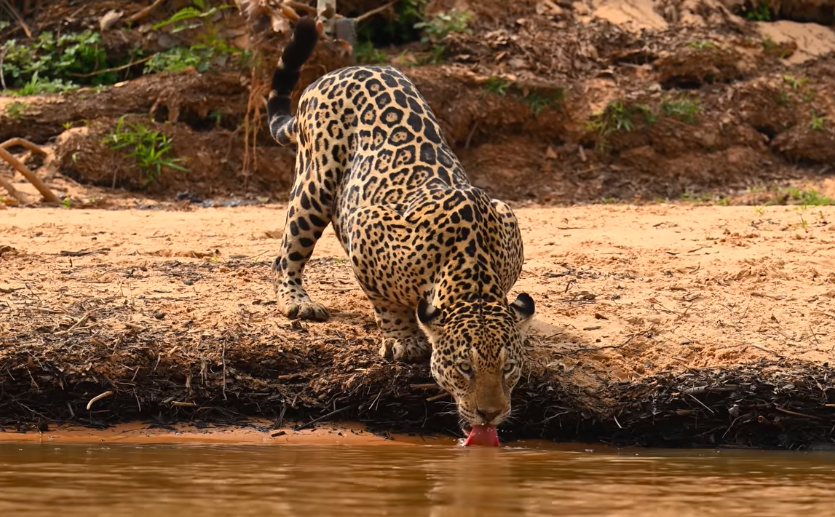
The Northern Pantanal in Brazil is one of the most stunning wildlife sanctuaries, and within its vast expanse, the opportunity to spot the jaguar (Panthera onca) becomes a unique experience. "Jaguar tracking" in this region is not just an observation activity; it's an immersion into a vibrant ecosystem and a direct contribution to the conservation efforts for this iconic feline.
The Northern Pantanal in Brazil is one of the most stunning wildlife sanctuaries, and within its vast expanse, the opportunity to spot the jaguar (Panthera onca) becomes a unique experience. “Jaguar tracking” in this region is not just an observation activity; it’s an immersion into a vibrant ecosystem and a direct contribution to the conservation efforts for this iconic feline.
In this article, we will learn the secrets of jaguar tracking in the Northern Pantanal, offering a comprehensive guide to planning your adventure. From choosing the best time and key locations to the necessary equipment and understanding the impact of responsible tourism, we will prepare you for an expedition that promises to be both thrilling and educational.
Best Time and Key Locations for Jaguar Tracking in the Northern Pantanal
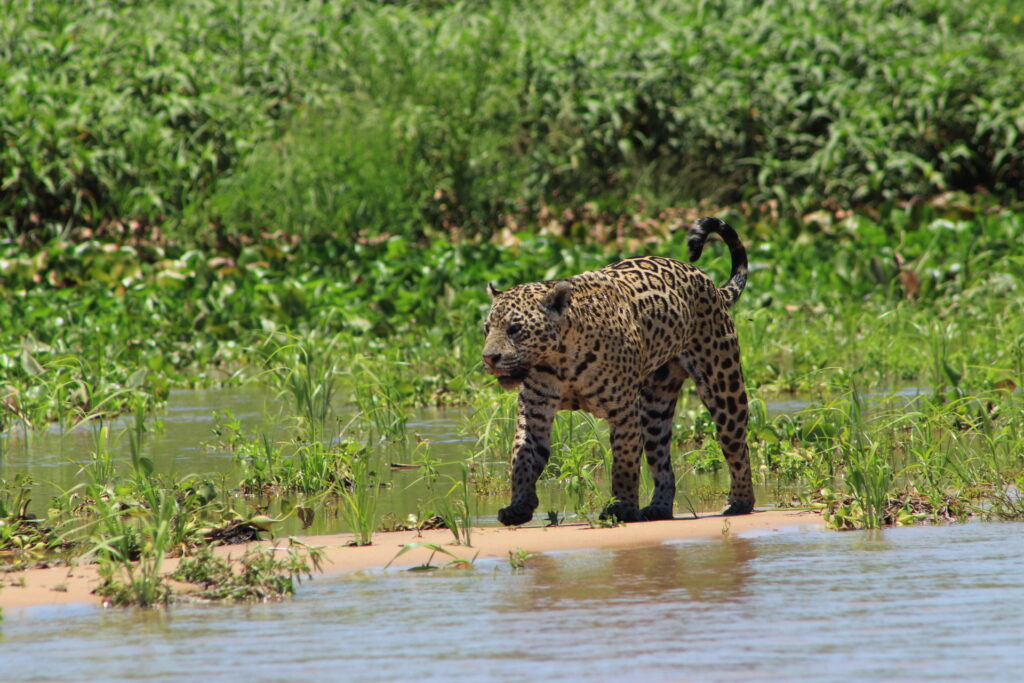
Choosing the right time of year is crucial for maximizing your chances of spotting jaguars in the Northern Pantanal. The dry season, generally from June to October, is considered by many to be the ideal period. During these months, water levels drop significantly, forcing jaguars to congregate around the remaining water bodies in search of prey, making them more visible to observers from boats. The days are usually sunny, and the less dense vegetation facilitates sightings.
On the other hand, the rainy season (approximately November to May) presents a lush landscape and flourishing biodiversity, but it can make access to certain areas difficult and reduce jaguar visibility, as they may disperse into a wider, denser habitat. However, for photographers, the light can be softer, and the environment more dramatic. Regardless of the season, the Cuiabá, Trاتs Irmãos, and São Lourenço rivers, as well as areas near Porto Jofre, are recognized as hotspots for jaguar tracking, offering the highest probability of close encounters.
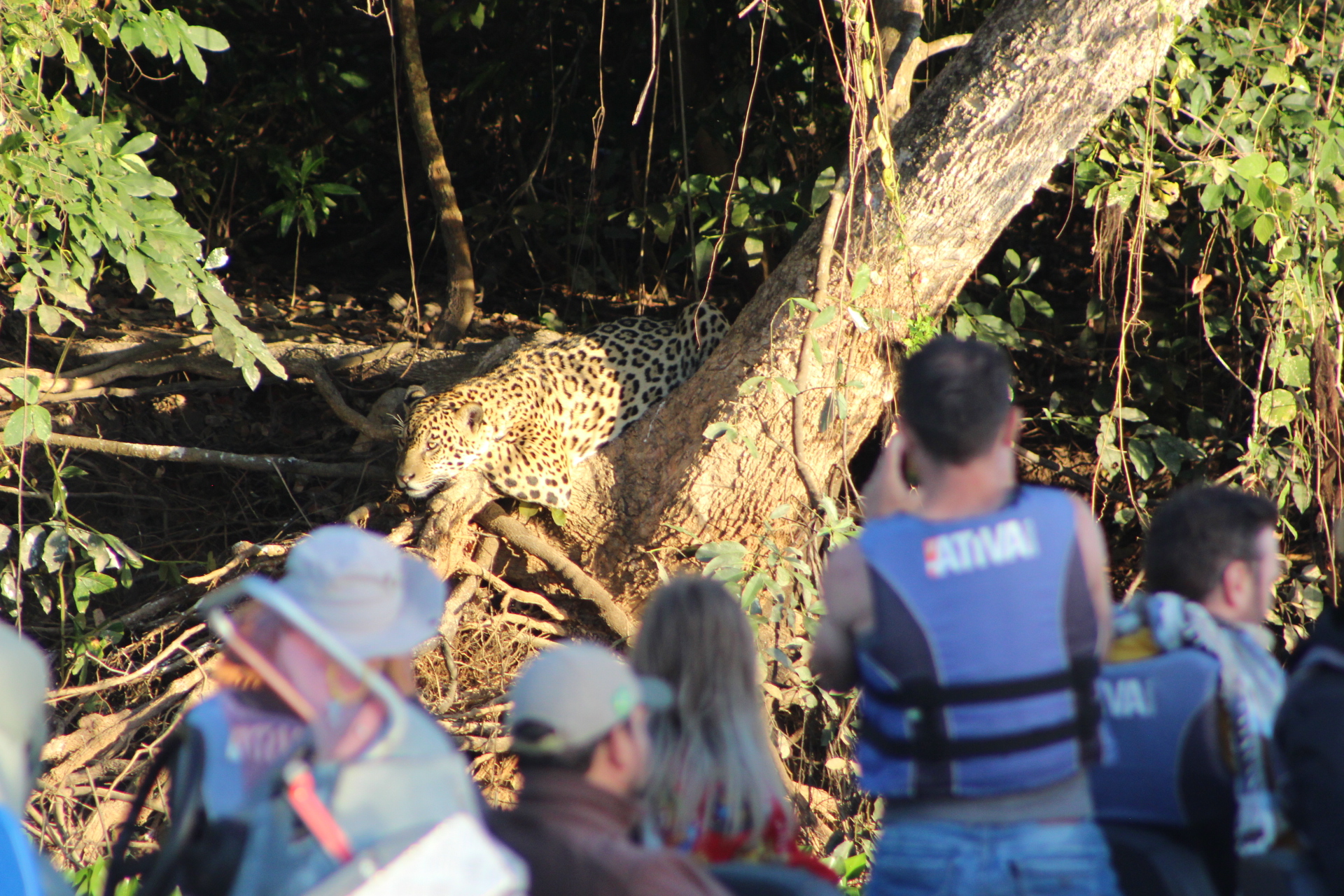
Exploring these rivers by boat or launch is the primary strategy. Experienced guides know the jaguars’ territories and habits, significantly increasing the chances of a successful sighting. Patience is key; jaguars are often observed resting on the banks or hunting, and waiting can be rewarded with privileged moments of observing these magnificent predators in their natural habitat.
Essential Equipment and Practical Tips for Your Jaguar Tracking Adventure
For a successful and comfortable jaguar tracking experience in the Northern Pantanal, the right equipment is indispensable. It is recommended to wear light, breathable clothing in neutral colors to avoid startling wildlife. Long pants and long-sleeved shirts are essential for protection against the sun and insects. A wide-brimmed hat, sunglasses, and high-factor sunscreen are crucial for prolonged sun exposure. Don’t forget a good insect repellent, especially for dawn and dusk.
For observation, good quality binoculars are essential for spotting animals at a distance and appreciating details. For photography enthusiasts, a camera with a good zoom lens is vital. It’s important to inquire about boat policies regarding luggage, as space can be limited. Also, bring a reusable water bottle to stay hydrated and minimize plastic use. Safety is paramount; always follow your guide’s instructions, remain calm when spotting a jaguar, and never attempt to feed or approach them too closely.
Practical Tips for Your Jaguar Tracking Adventure
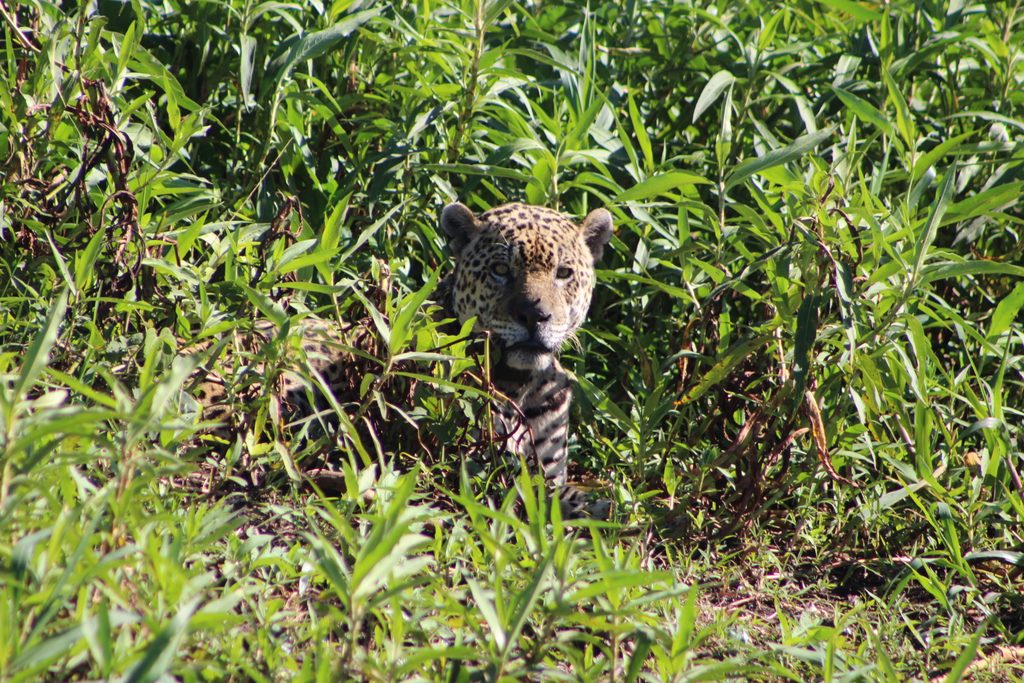
Maximizing sighting opportunities involves being attentive to environmental cues, such as the behavior of other animals that may signal the presence of a predator. Local guides are experts at interpreting these signs. Patience and flexibility in your itinerary are also valuable, as sightings cannot be guaranteed, but dedication increases the odds. Remember that the goal is to observe the jaguar in its natural habitat respectfully and safely for both the animal and the observer.
| Tour Type | Vessel | Typical Duration | Main Focus | Estimated Price Range (USD) |
|---|---|---|---|---|
| Full Day Tour | Speedboat | 8-10 hours | Spotting jaguars and other wildlife along the rivers. | $500 – $600 per person |
| River Safari (multi-day) | Houseboat/Galleon | 3-5 days | Full immersion, with overnight stays on board, exploring extensive river areas. | $2,000 – $2,500 per person |
| Photography Expedition | Adapted Boat/Small Boat | 4-7 days | Focus on wildlife photography, with extended stops and access to specific zones. | $1,500 – $3,000 per person |
| Private Tour | Exclusive Speedboat or Boat | Flexible (1 day or more) | Customized itinerary based on client preferences, maximum control and comfort. | $500 – $1500+ per day (group) |
| Lodge Observation | Boats from Agency | Several daily departures | Combination of activities from an agency, including boat trips for jaguar tracking. | Included in Agency Package (variable cost) |
Conservation Impact and Sustainable Tourism in Northern Pantanal Jaguar Tracking
Jaguar tracking in the Northern Pantanal plays a crucial role in the conservation of this endangered species. By generating direct income through tourism, local communities and operators are incentivized to actively protect the jaguar’s habitat. Responsible tourism, when practiced ethically, provides valuable data on jaguar populations, their territories, and behaviors, information that is fundamental for research and conservation programs. Respect for wildlife and minimizing disturbance are pillars of this activity.
Every visitor participating in a jaguar tracking tour contributes, often indirectly, to funding conservation projects. The awareness generated by these experiences also drives greater public and political support for the protection of the Pantanal and its inhabitants. It is vital to choose tour operators committed to sustainable practices, who respect distance regulations, do not feed the animals, and contribute to environmental education. In this way, jaguar tracking becomes a powerful tool for ensuring the future of the jaguar and its ecosystem.
Frequently Asked Questions about Jaguar Tracking in the Northern Pantanal
Planning a trip to see jaguars can raise many questions. Here we address some of the most common queries travelers often have before embarking on this exciting adventure in the heart of the Northern Pantanal, ensuring your experience is as informative and enjoyable as possible.
What is the best time of year for jaguar tracking in the Northern Pantanal?
The dry season, running approximately from June to October, is generally considered the best time for jaguar tracking in the Northern Pantanal. During these months, river water levels recede, forcing jaguars to concentrate along the banks in search of water and prey, making them more visible from boats. The days are usually clearer, and the less dense vegetation facilitates sightings. Conversely, the rainy season (November to May) offers a lush landscape and abundant life, but higher water levels and dense vegetation can make it harder to locate jaguars.
Although the dry season offers higher chances of sightings, each season has its charm. The rainy season can be ideal for bird photography and experiencing the Pantanal in its fullest natural expression. Experienced guides can adapt search strategies in both seasons. The key is to be prepared for the weather conditions and to be patient, as nature dictates the timing of encounters.
What are my chances of seeing a jaguar during a tour in the Northern Pantanal?
While there is no 100% guarantee of spotting a jaguar, the jaguar tracking areas in the Northern Pantanal, especially around Porto Jofre, are renowned for having one of the highest jaguar densities in the world and exceptionally high sighting rates. With an adequate tour duration (ideally at least 3 full days dedicated to searching) and in the right season, the chances of seeing at least one jaguar are very high, often exceeding 80-90% for well-organized tours.
It’s important to manage expectations: a sighting might be a quick glimpse or a prolonged encounter. The experience and knowledge of local guides are crucial for maximizing these chances. Patience is a virtue, and sometimes, a sighting may occur at unexpected moments. Nevertheless, the rich biodiversity of the Pantanal ensures that, even without a guaranteed sighting, the experience of exploring this region is rewarding in itself.
Is it safe to go jaguar tracking in the Northern Pantanal?
Yes, jaguar tracking in the Northern Pantanal is generally very safe when conducted with reputable tour operators and following safety guidelines. Professional guides are highly trained in navigating the rivers, understanding wildlife behavior, and emergency protocols. Boats are usually equipped with life jackets, and operators maintain a safe distance from jaguars and other wildlife to avoid any disturbance or danger.
Tourists should follow the guides’ instructions at all times, especially regarding movement within the boat, avoiding loud noises that could stress the animals, and not attempting to feed or interact with the wildlife. It is advisable to carry a basic first-aid kit and be aware of general precautions against insect bites and sun exposure. Safety and respect for the natural environment are the top priorities to ensure a positive and incident-free experience.
How much does a jaguar tracking tour in the Northern Pantanal cost?
The cost of a jaguar tracking tour in the Northern Pantanal can vary considerably depending on several factors, such as the tour duration, type of vessel or accommodation, service exclusivity, and season. Full-day tours on speedboats can cost between $500 and $600 per person. For a more immersive experience, multi-day river safaris on houseboats or galleons, including accommodation and meals, can range from $3,000 to $3,500 per person for a 3- to 5-day trip.
Specialized photography tours or private tours are usually more expensive, with prices potentially exceeding $1200 per person for multi-day expeditions, or daily rates for exclusive boat charters. Factors such as the inclusion of flights from major cities (like Cuiabá or Campo Grande), land transfers, bilingual guides, and the quality of accommodation also influence the final price. It is advisable to research and compare different operators to find an option that fits your budget and expectations.