 PT
 EN
 ES
Explore the fascinating birds of the Northern Pantanal. Discover the most emblematic species and their habitats in this comprehensive guide.
The globally significant Northern Pantanal stands as a sanctuary of avifauna diversity. Its aquatic landscapes, dotted with vegetation, create a perfect ecosystem that attracts and sustains countless bird species. From birds of prey soaring through the skies to colorful passerines.
The richness of this biome lies in the variety of its winged inhabitants. Understanding the varieties of birds in the Northern Pantanal and their unique behaviors does not go unnoticed. This article aims to explore the magnificence of the Pantanal avifauna, offering a glimpse into the most representative species and the importance of their conservation.
The Bird Varieties of the Northern Pantanal
What are the bird varieties of the Northern Pantanal? The Northern Pantanal boasts an exceptionally diverse avifauna, which can be grouped into several main families, each adapted to the distinct ecological niches offered by this vast wetland. Waterfowl are undoubtedly the most emblematic, utilizing the extensive bodies of water for feeding and breeding. Among them, we find a wide variety of herons, ducks, ibises, and storks, whose silhouettes are silhouetted against the sky at dawn and dusk.
Birds of prey also play a crucial role in the ecosystem, acting as apex predators and maintaining natural balance. Eagles, hawks, and caracaras are common in the Pantanal, watching from above or actively hunting in open fields and riverbanks. On the other hand, passerines, the most numerous group of birds in the world, are also richly represented, with a myriad of species ranging from tiny hummingbirds to colorful songbirds, occupying all strata of the vegetation.
In addition to these main groups, the Northern Pantanal is home to other notable birds such as parrots and macaws, whose colorful plumage and strident calls add vibrancy to the landscape. Toucans, with their distinctive beaks, and terrestrial birds like tinamous and partridges, complement the incredible avian diversity. The abundance of food resources and the complexity of its habitats allow for the coexistence of so many different species.
- Waterfowl (herons, ducks, ibises, storks)
- Birds of Prey (eagles, hawks, caracaras)
- Passerines (songbirds, hummingbirds)
- Psittacines (parrots, macaws)
- Toucans
- Terrestrial Birds (tinamous, partridges)
What Are the Bird Varieties?
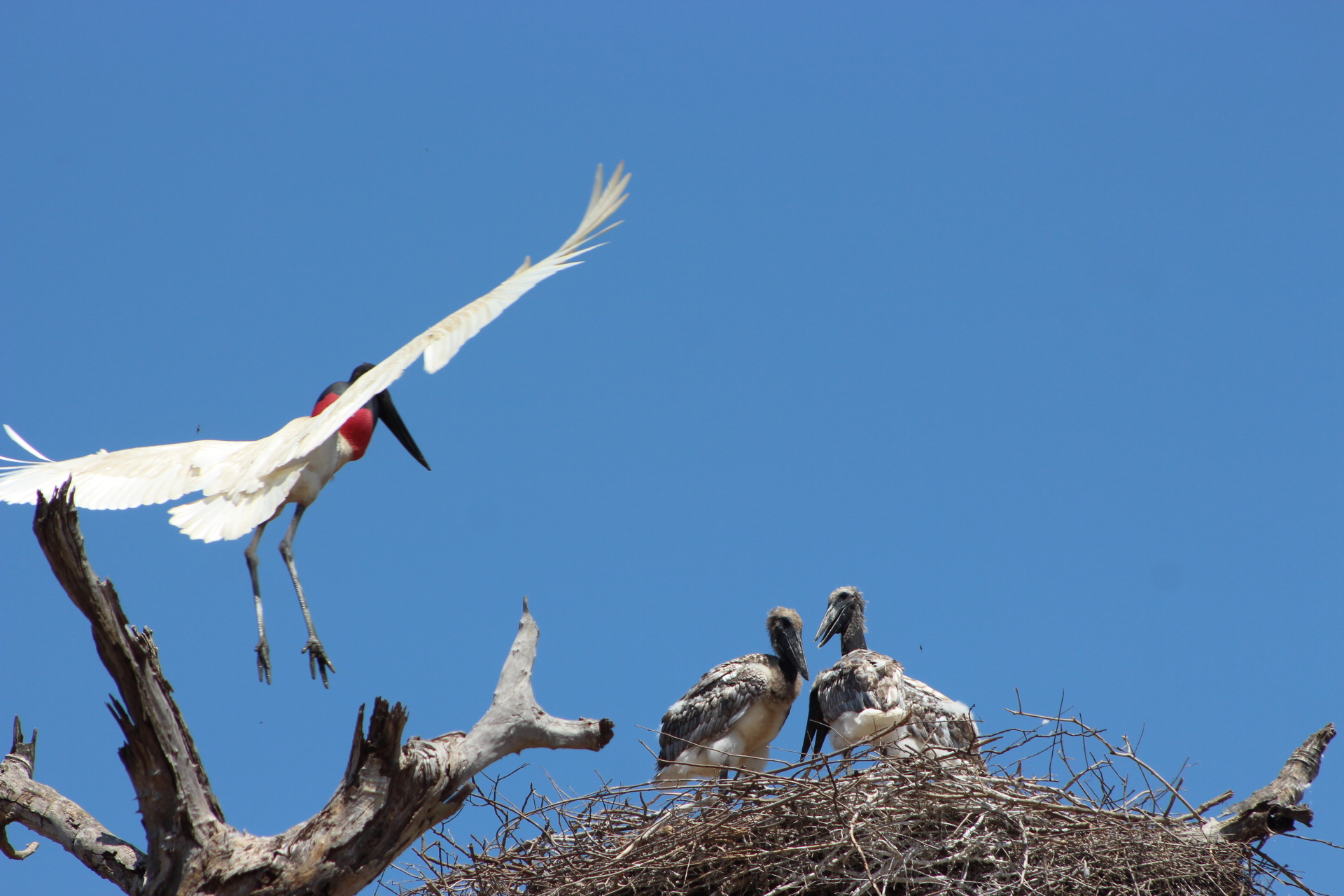
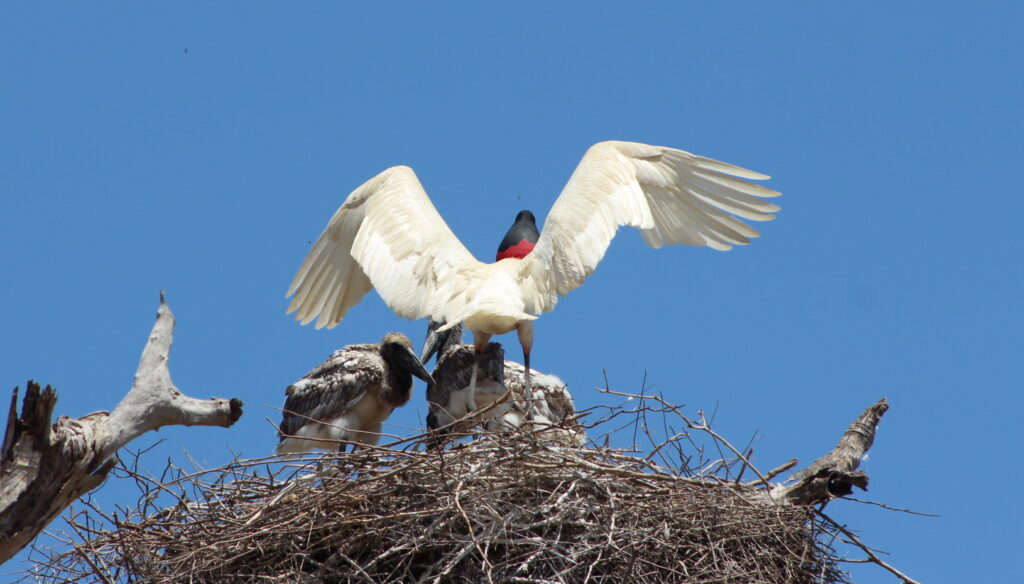
Among the vast avian richness of the Northern Pantanal, some species stand out for their size, color, or behavior, becoming true symbols of the region. The Jabiru (Jabiru mycteria), the national bird of Paraguay and an icon of the Pantanal, is one of the largest storks in the world, with its imposing figure, red and black neck, and a robust black beak. It is an impressive sight to see it glide over the wetlands or perched majestically on its nest.
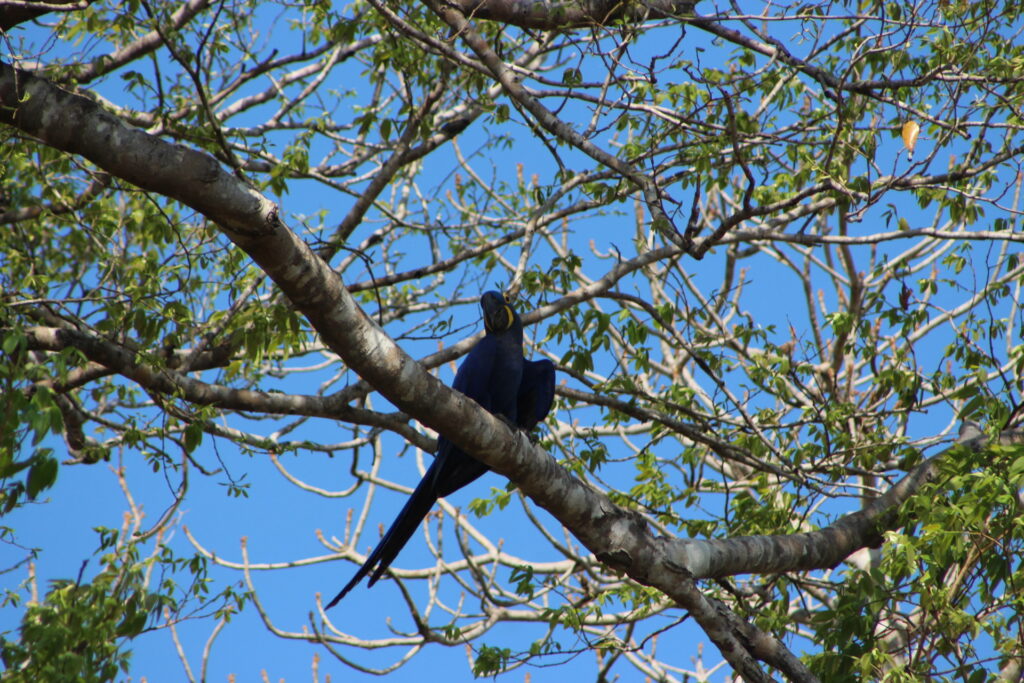
Another species that captivates visitors is the Blue Macaw. Its vibrant blue colors, combined with its intelligence and social nature, make it an unforgettable sight. Seeing them fly in pairs or family groups over the forest canopy is a truly magical experience, and their loud squawks echo across the Pantanal landscape.
Are Great Kiskadees Found in the Pantanal?
The Great Kiskadee (Pitangus sulphuratus), although present in much of America, is ubiquitous and easily recognizable in the Pantanal due to its striking yellow and black plumage and its unmistakable call. Its adaptability allows it to thrive near inhabited areas and in various habitats within the Pantanal, making it a constant companion for those exploring the region.
- Jabiru (Jabiru mycteria): The largest stork in America, a symbol of the Pantanal.
- Blue Macaw (Ara ararauna): Known for its spectacular plumage and social nature.
- Great Kiskadee (Pitangus sulphuratus): A charismatic and easily observable bird with its distinctive call.
- Agami Heron (Agamia agami): A slender heron with iridescent plumage, often seen in mangrove areas and flooded forests.
- Crested Screamer (Chauna torquata): A large and noisy bird, with a distinctive feather collar, found near bodies of water.
- Capybara: Although not a bird, its coexistence with many aquatic bird species is a characteristic feature of the Pantanal.
- Harpy Eagle (Harpia harpyja): One of the largest and most powerful eagles in the world, though more elusive, its presence indicates a healthy ecosystem.
| Species | Main Habitat | Feeding Behavior | Breeding Season | Conservation Status (General) |
|---|---|---|---|---|
| Jabiru | Wetlands, marshes, lagoons | Fish, amphibians, reptiles, crustaceans | Dry season (to facilitate nest building) | Least Concern |
| Blue Macaw | Riparian forests, wooded savannas | Fruits, seeds, nuts | Rainy season | Least Concern |
| Great Kiskadee | Almost any habitat with trees or shrubs, including urban areas | Insects, small vertebrates, fruits | Variable, often during the rainy season | Least Concern |
| Agami Heron | Flooded forests, mangroves, riverbanks | Fish, amphibians | Seasonal, depends on water availability | Near Threatened |
| Crested Screamer | Flooded grasslands, lake and river edges | Leaves, aquatic plant stems, occasionally insects and small animals | Rainy season | Least Concern |
Conservation and Tourism: Protecting the Bird Varieties of the Northern Pantanal
The preservation of the Northern Pantanal’s rich avifauna is a crucial challenge that requires coordinated efforts. Habitat destruction, poaching, and climate change are significant threats endangering many species. However, the growing interest in responsible ecotourism offers a promising avenue for conservation. When practiced sustainably, tourism can generate vital income for local communities and fund environmental protection projects.
Birdwatching, in particular, has become an important economic activity in the region. Tourists visiting the Northern Pantanal often invest in local guides, eco-lodge accommodation, and transportation, creating a direct incentive to protect the natural environment on which these businesses depend. It is essential that both tour operators and visitors adopt low-impact practices, respecting wildlife and minimizing their ecological footprint.
Environmental education plays an equally important role. By raising awareness among local communities and visitors about the importance of the Pantanal’s biodiversity and the threats it faces, a culture of respect and protection is fostered. Collaboration between conservation organizations, governments, and the tourism sector is essential to ensure that the magnificent bird varieties of the Northern Pantanal can thrive for future generations.
Frequently Asked Questions About Birds.
The Northern Pantanal is a dream destination for bird lovers, but it’s natural to have questions about the best way to experience its avifauna. Here, we address some of the most common concerns to help you plan your visit and make the most of this natural wonder.
What is the best time of year to observe the diversity?
The best time to observe birds in the Northern Pantanal generally spans the dry season, which runs from May to September. During this period, the waters recede, concentrating wildlife, including birds, in smaller, more accessible areas. This makes it easier to observe large concentrations of waterfowl, as well as other species seeking food and water. The vegetation is also less dense, improving visibility.
Although the dry season is ideal, the rainy season (October to April) also has its charm, especially for observing migratory birds and species that benefit from abundant water resources. However, access to some areas may be limited by flooding. In summary, for a more complete and accessible experience, the dry season is preferred by most birdwatchers.
What equipment is essential for birdwatching in the Northern Pantanal?
For an optimal birdwatching experience in the Northern Pantanal, having the right equipment is essential. Good binoculars with 8x or 10x magnification are indispensable for appreciating the details of birds from a distance without disturbing them. A camera with a good telephoto lens will allow you to capture memorable images of the species you encounter.
Other important items include neutral-colored, quick-drying clothing to blend in with the environment, a wide-brimmed hat for sun protection, sunscreen, insect repellent (especially important during the rainy season), comfortable and waterproof footwear for walking in wet terrain, and a reusable water bottle to stay hydrated. Don’t forget a notebook and pencil to record your sightings.
Are there any endangered birds among the Northern Pantanal varieties?
Yes, unfortunately, the Northern Pantanal is home to some bird species that are endangered or threatened. The Harpy Eagle (Harpia harpyja), one of the largest raptors in the world, has seen its populations decline due to habitat loss and hunting. Although its presence is increasingly rare, its sighting is an indicator of a healthy ecosystem.
Other species such as the Agami Heron (Agamia agami) also face significant pressures due to the degradation of their aquatic habitats and hunting. Conservation efforts focus on protecting critical nesting and feeding areas, as well as combating illegal hunting and promoting sustainable practices. Continuous research and international collaboration are vital to ensure the survival of these emblematic species.
How does tourism contribute to bird conservation?
Tourism, when managed responsibly and sustainably, becomes a powerful tool for the conservation of the Northern Pantanal’s birds. The demand for ecotourism generates direct economic income for local communities through the hiring of guides, hotel staff, and transportation services. These economic benefits create a direct incentive for local populations to value and protect wildlife and their habitats.
Furthermore, birdwatching tourism draws international attention to the ecological importance of the Pantanal and the threats it faces. This can drive support for conservation projects, the establishment of protected areas, and the implementation of stricter environmental policies. By visiting the Pantanal responsibly, tourists become ambassadors for its conservation, helping to secure its future.